Expedition outcome
Turned around at 5,900m - safety decision
White Expedition's fourth May 2026 Kiager Ri batch reached approximately 5,900m before deep soft snow made a safe turnaround the right decision.
29 May 2026
White Expedition's fourth May 2026 Kiager Ri batch reached approximately 5,900m before deep soft snow made a safe turnaround the right decision.
White Expedition field report / WE-2026-003
An expedition record covering the team's route, conditions, decisions, and return from the White Expedition field team.

Expedition outcome
White Expedition's fourth May 2026 Kiager Ri batch reached approximately 5,900m before deep soft snow made a safe turnaround the right decision.
The account
Kiager Ri rises above Ladakh's Changthang Plateau as a rewarding non-technical 6000m objective, with glacier travel, wide Himalayan views, and a straightforward climbing line.
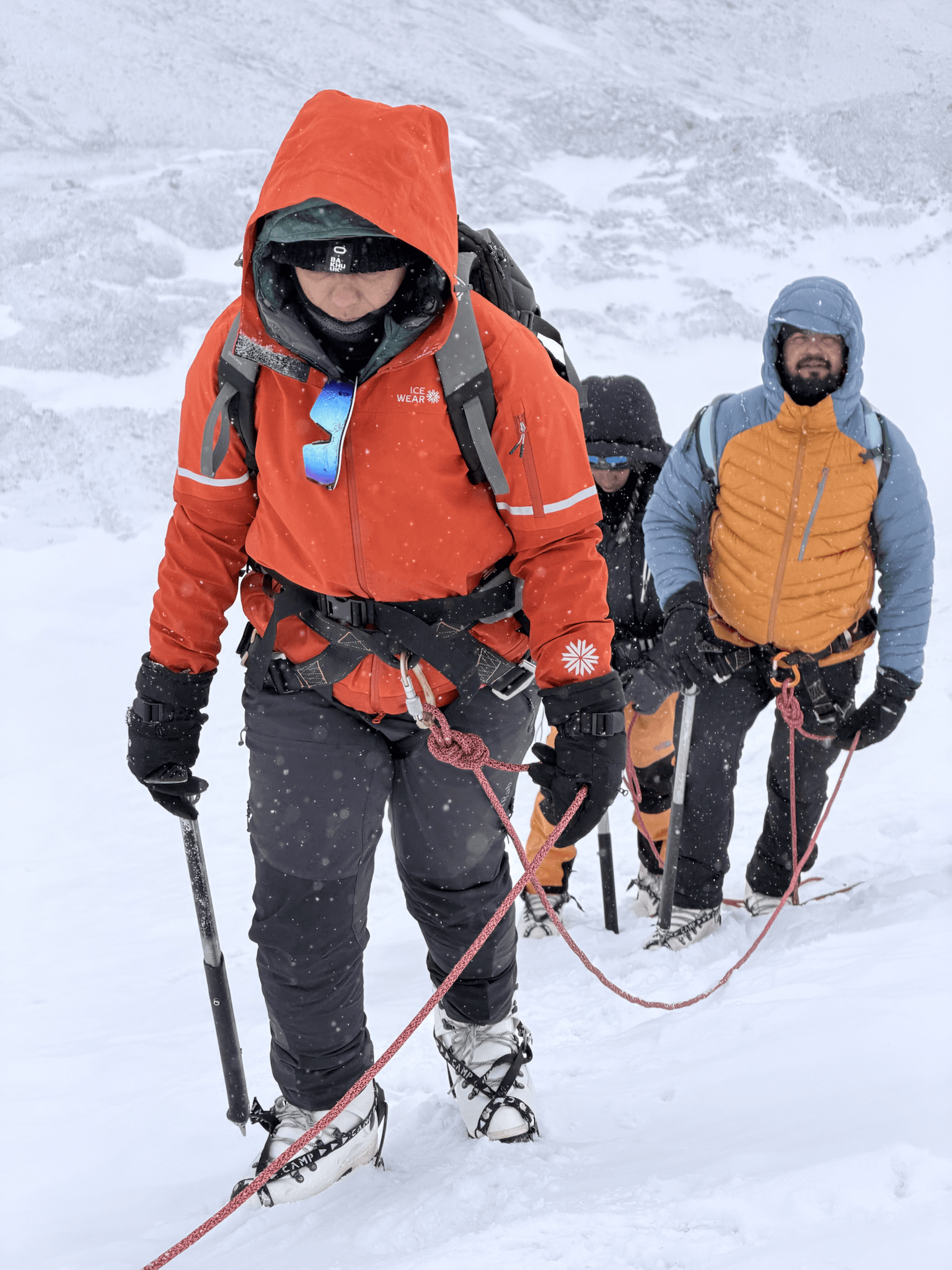
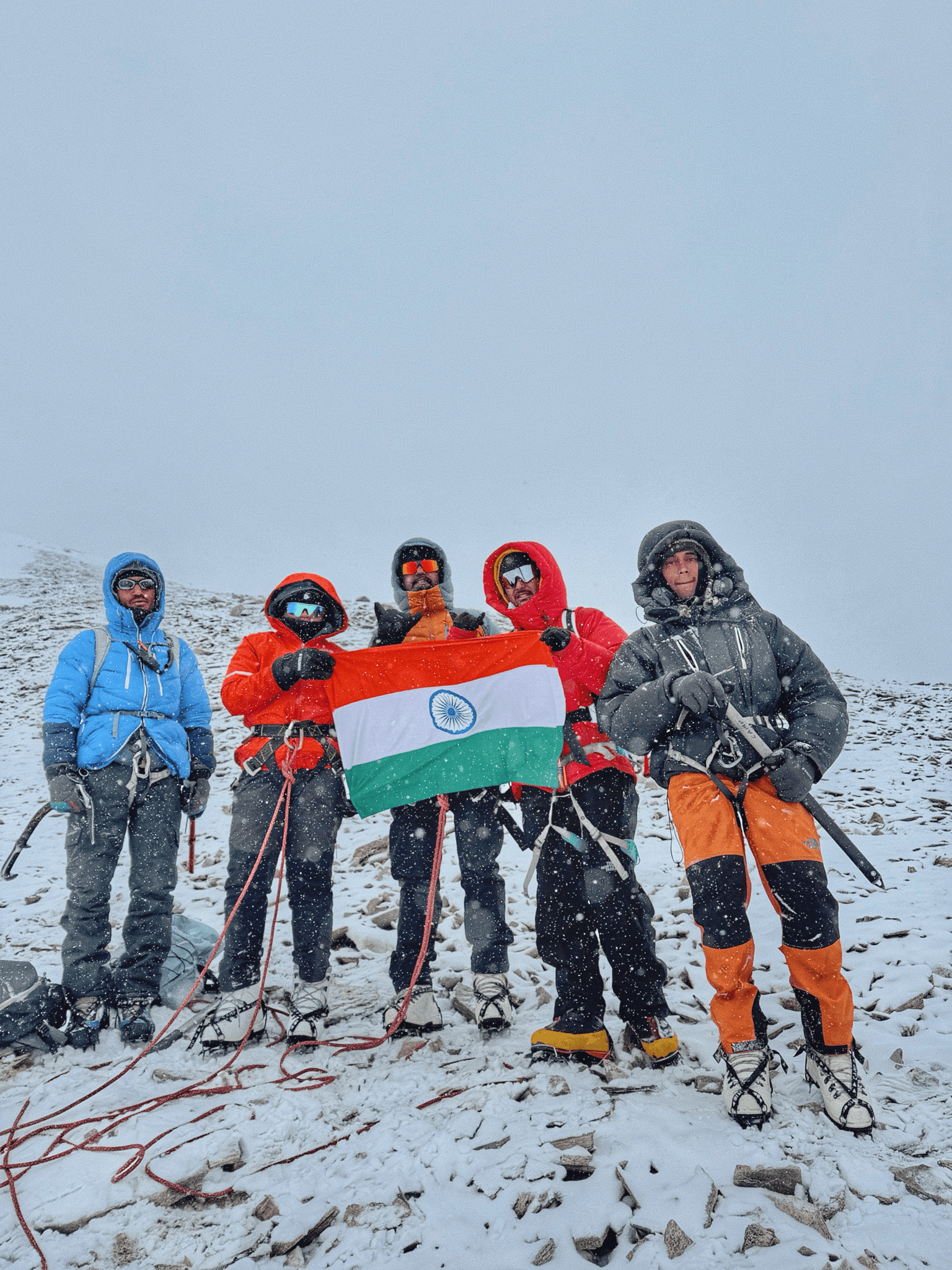
The fourth Kiager Ri batch of the 2026 season began with three climbers and four experienced guides, allowing close supervision and a flexible, safety-led climbing strategy.
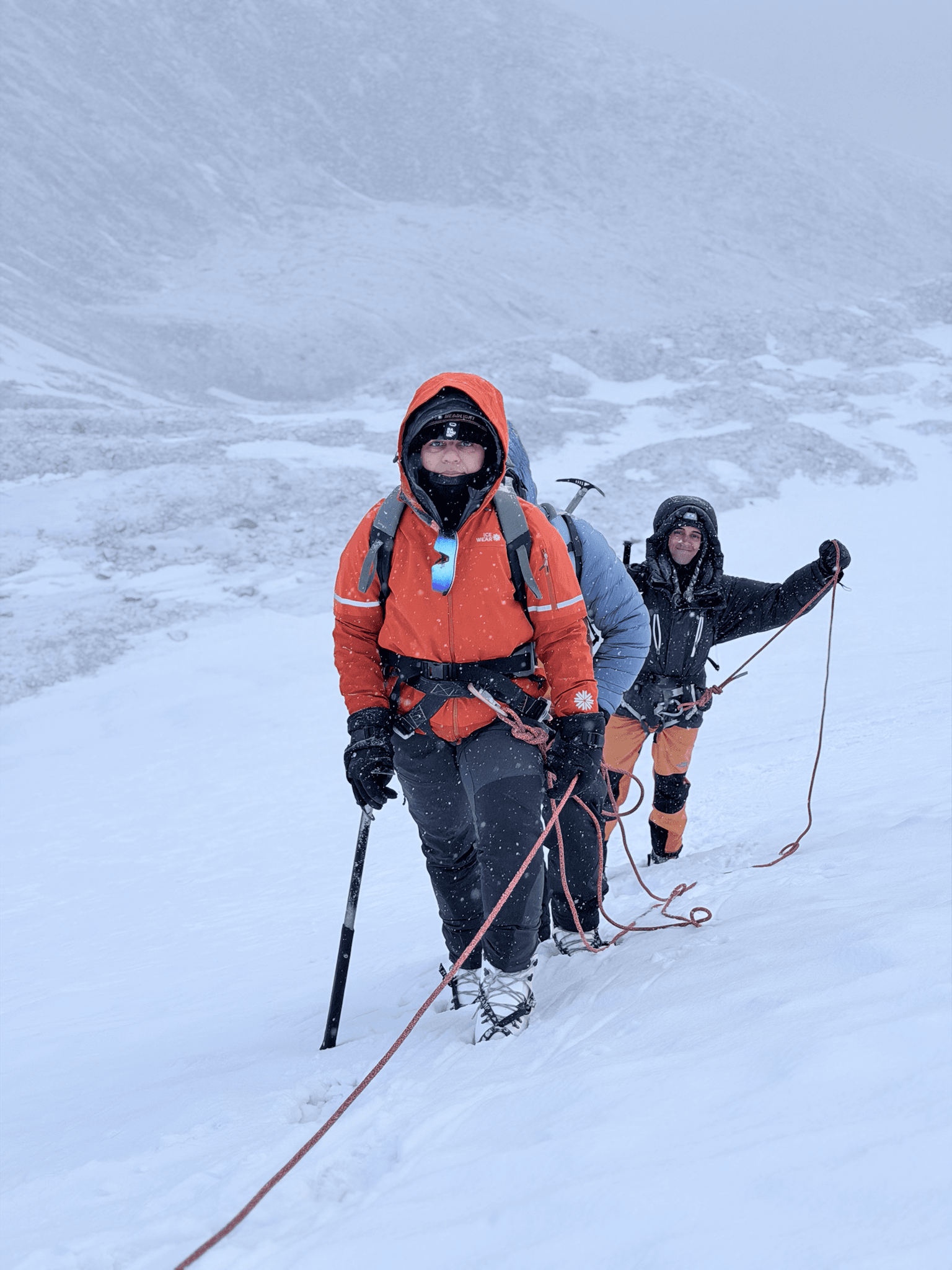
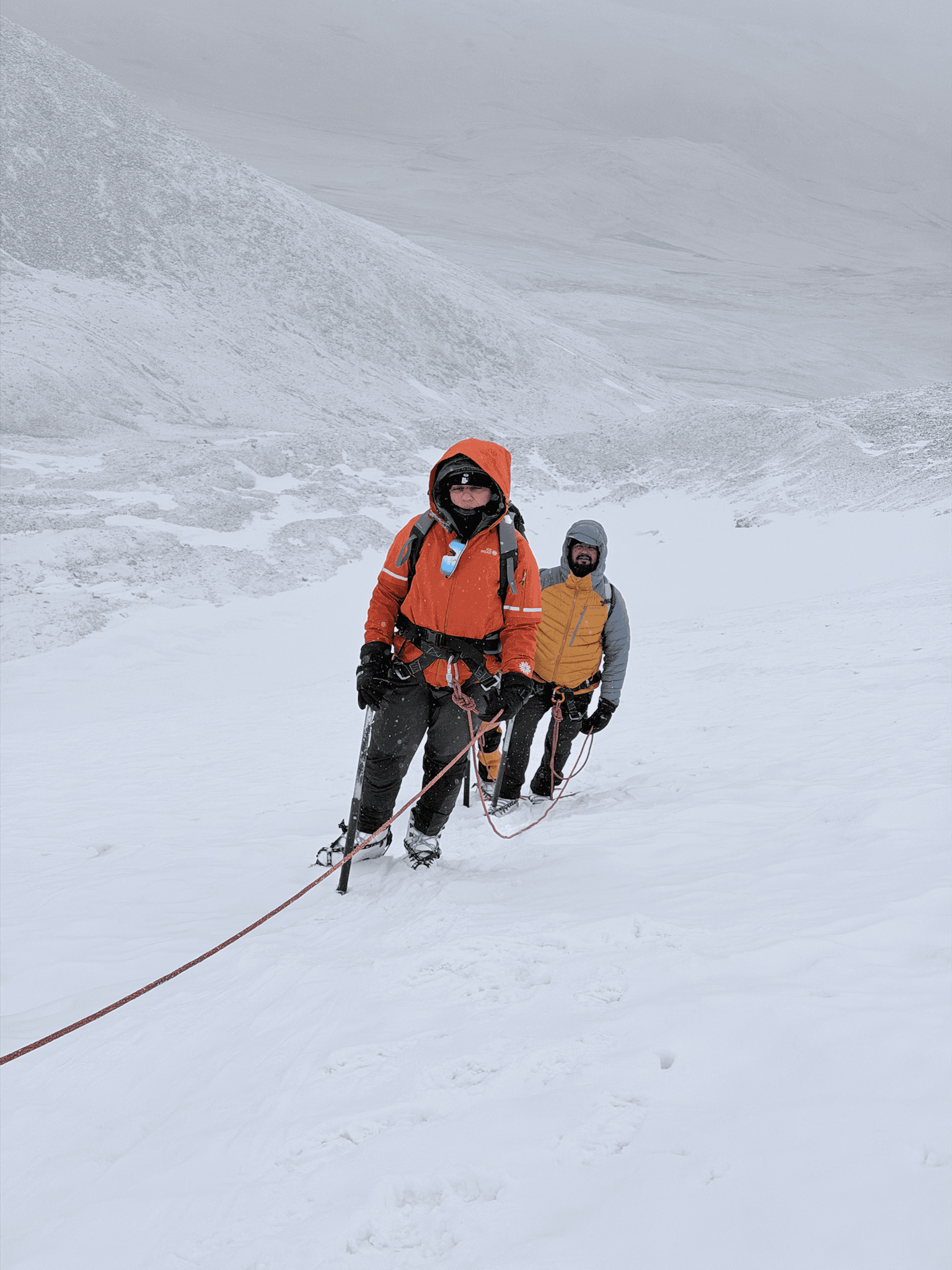
The summit remained out of reach because exceptionally soft, unconsolidated snow made progress unsafe. The team turned around at approximately 5,900m and returned to Leh safely.
Field gallery


Expedition log
A concise record of movement, changing conditions, training, and the safety decision that closed the expedition.
The expedition began in Leh at 3,500m with hotel check-in, a detailed briefing on the route, forecast, altitude awareness, emergency procedures, and mountain safety.
Guides inspected boots, crampons, helmets, harnesses, trekking poles, clothing layers, and glacier equipment before the acclimatization program began.
The team completed an early acclimatization hike in the hills surrounding Leh, maintaining a steady pace and allowing the body to adapt to altitude.
The afternoon was reserved for rest, hydration, nutritious meals, and final preparations for the drive into Changthang.
The team drove across the Changthang Plateau from Leh to Korzok, stopping at Chumathang for lunch before continuing toward Tso Moriri Lake.
After arrival, a short acclimatization walk around Korzok helped the team settle into the remote high-altitude environment.
The day was dedicated to gradual acclimatization on the hills above Korzok, with uninterrupted views of Tso Moriri and the surrounding mountains.
Guides reviewed the summit strategy, checked weather updates, and prepared technical equipment for an early summit-day departure.
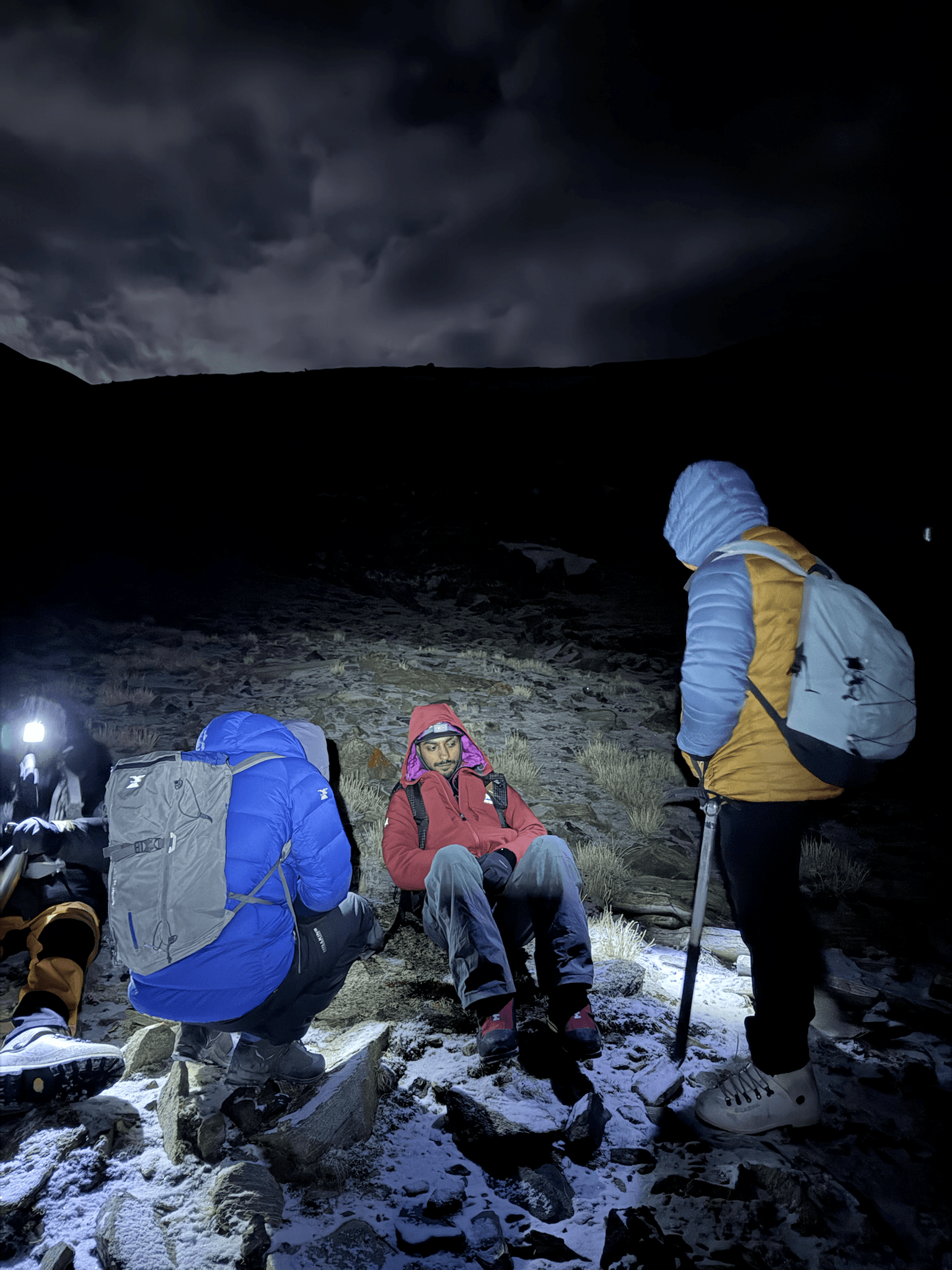
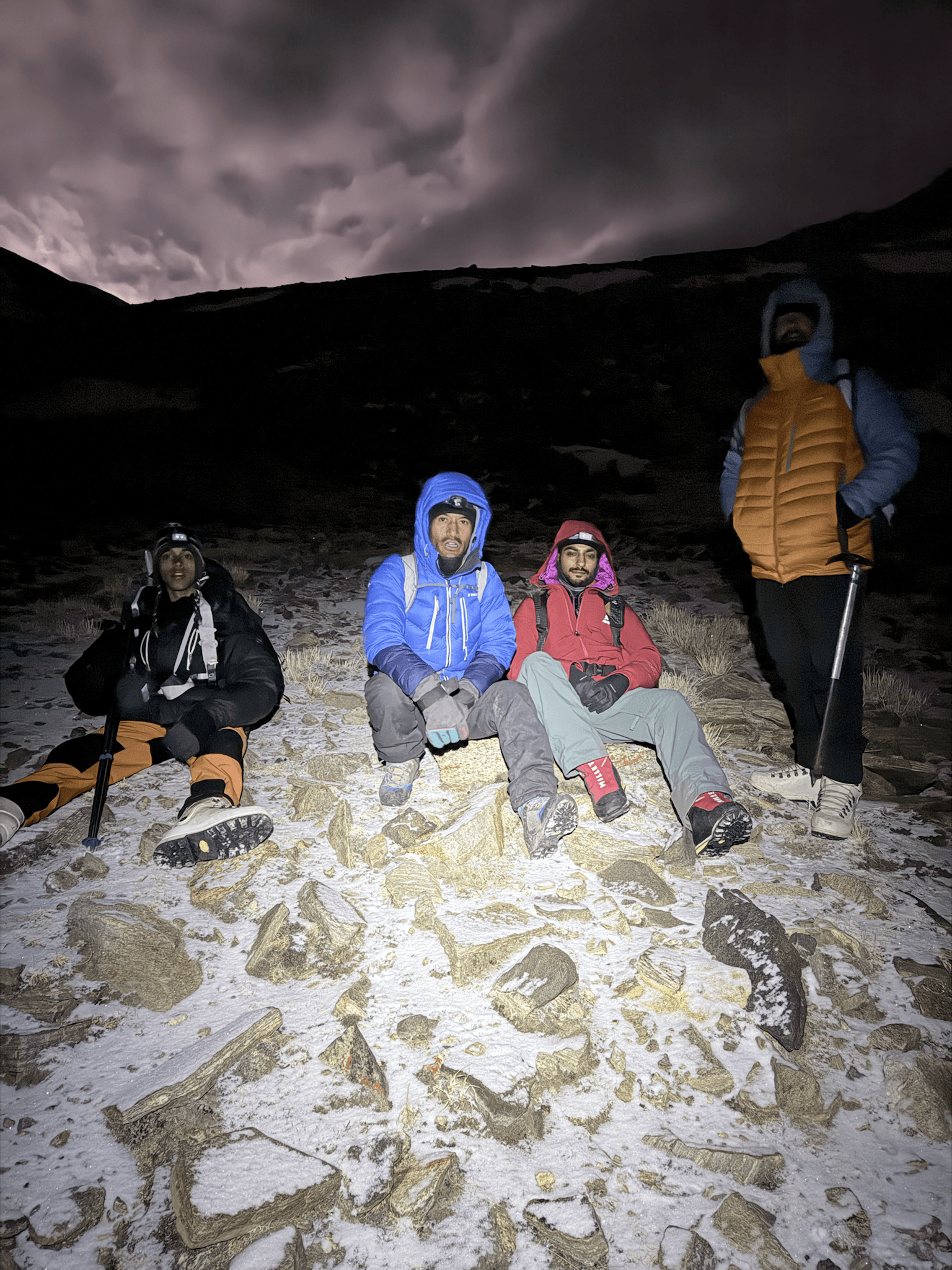
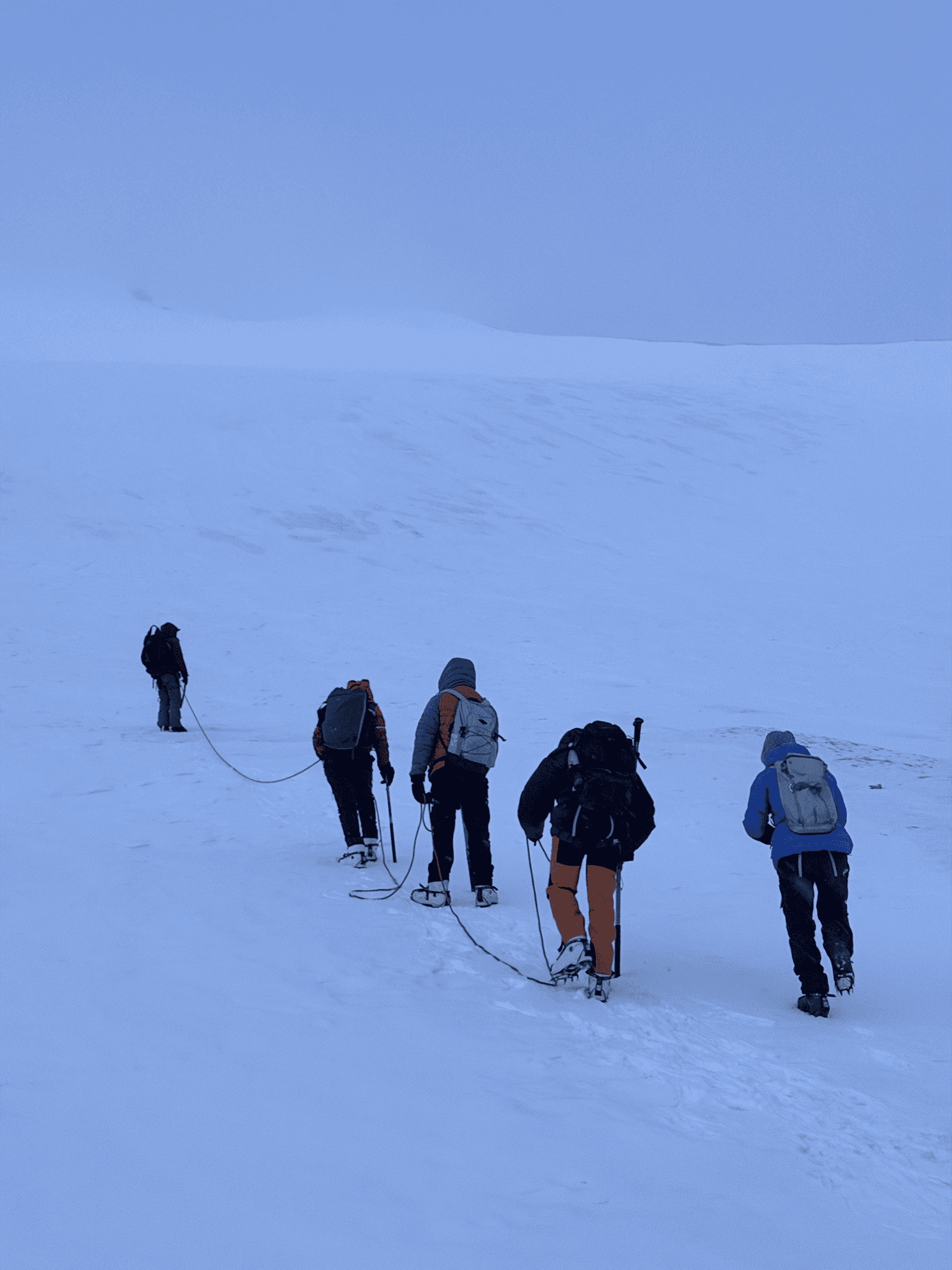
The team drove to a high starting point at around 5,200m and began climbing at 2:00 AM. At 5:00 AM, they reached the crampon point and entered the glacier section.
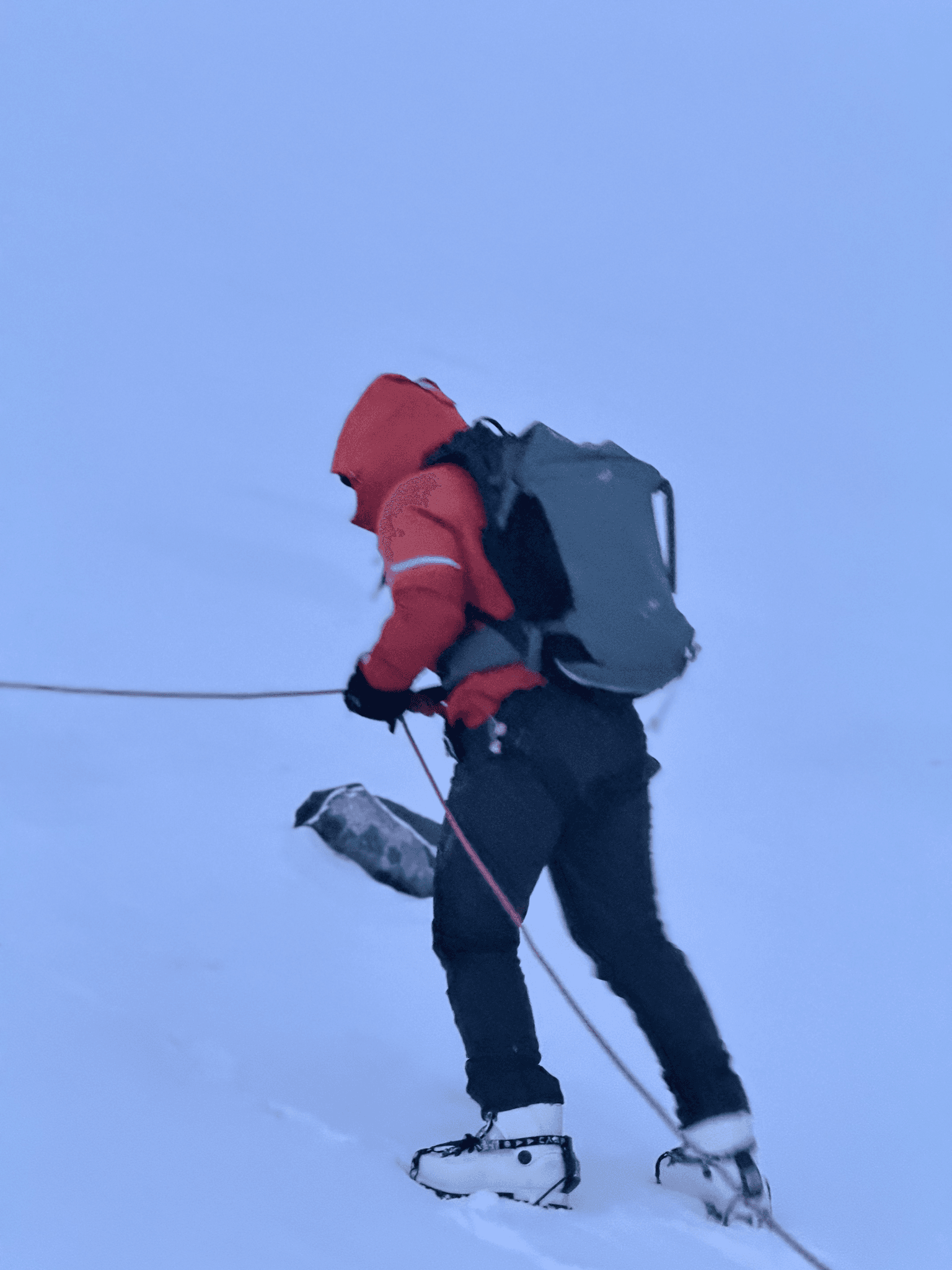
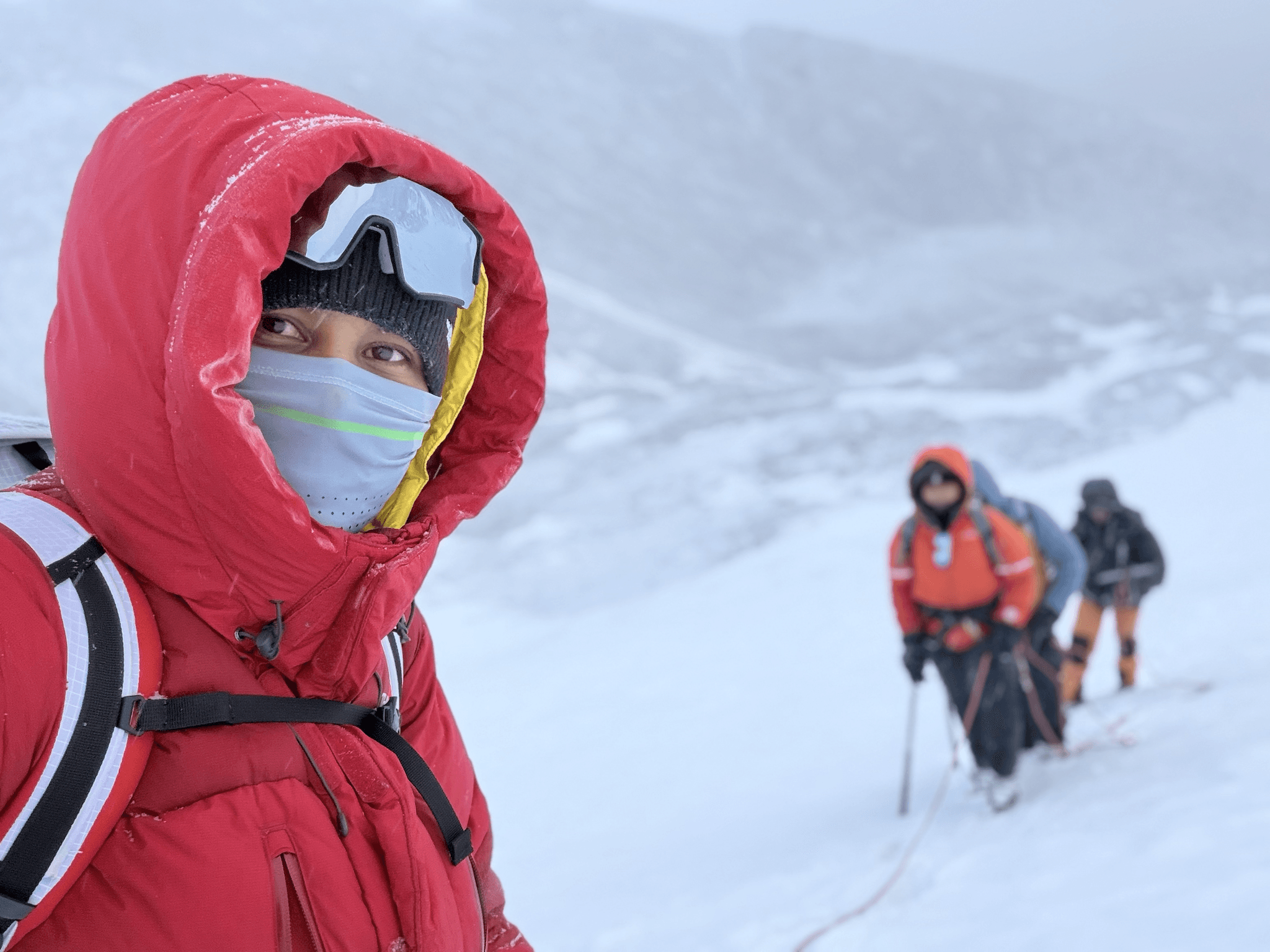
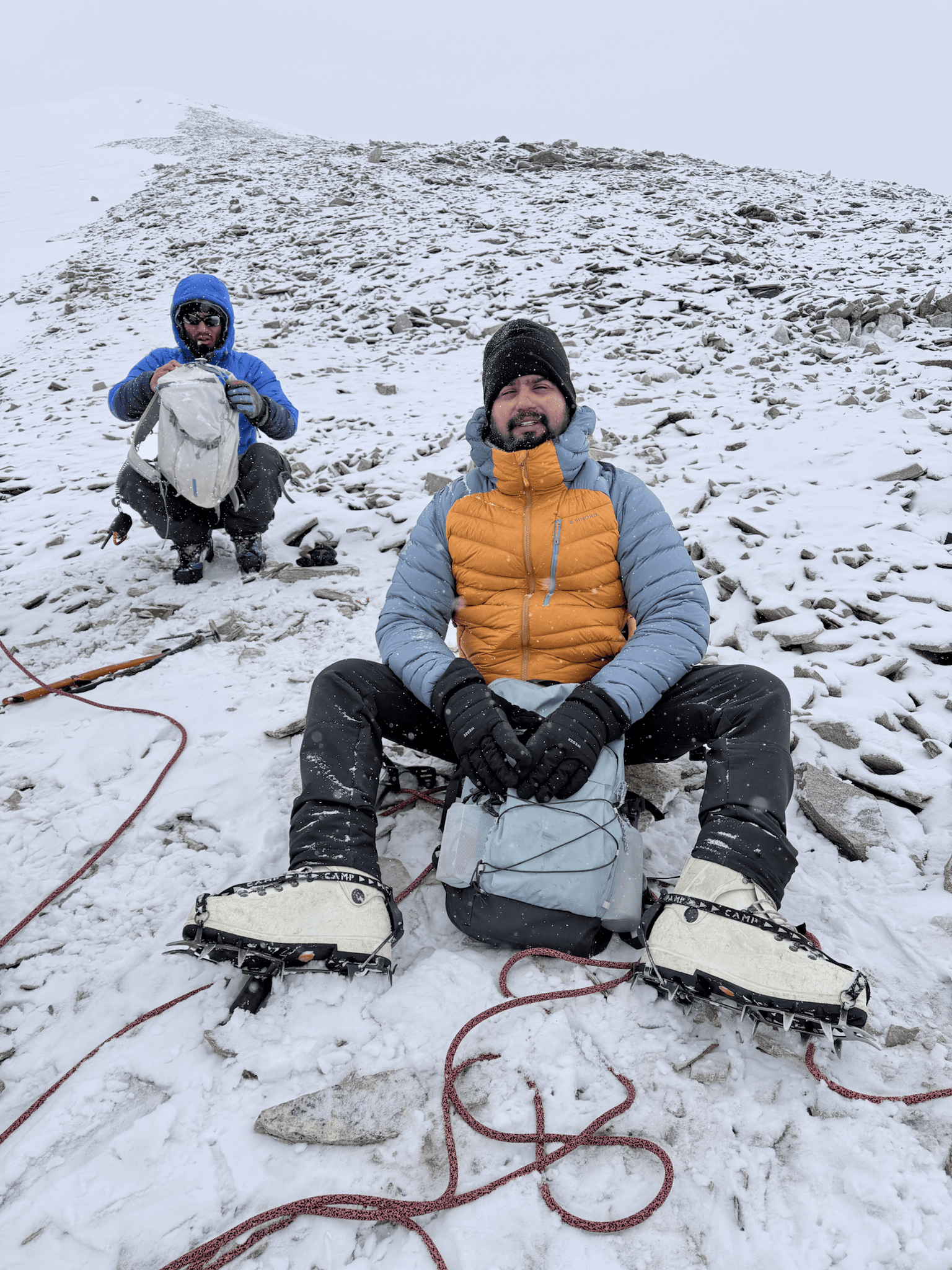
The glacier held deep, unconsolidated soft snow. Each step sank deeply, making trail-breaking slow and physically demanding for climbers and guides alike.
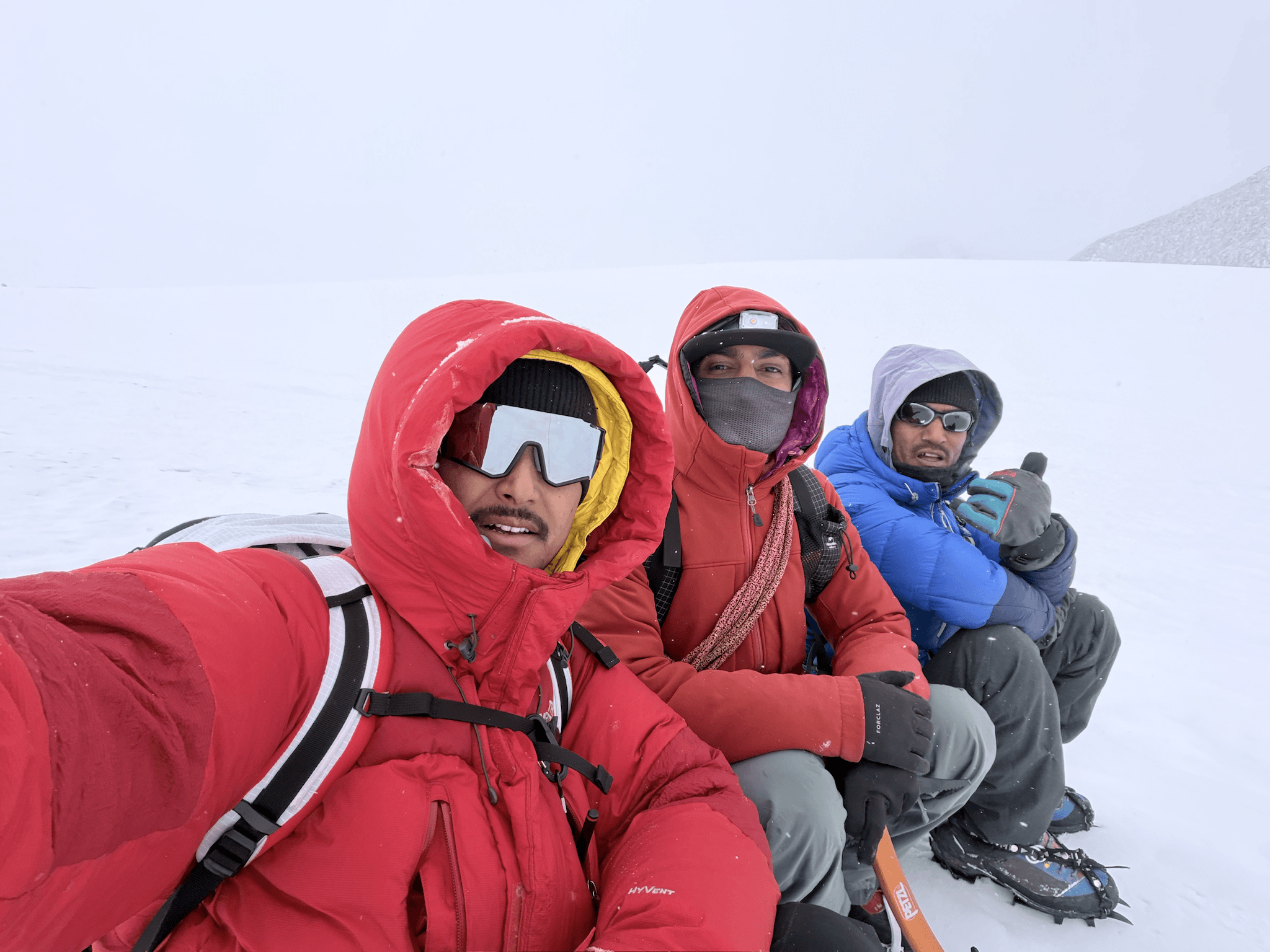
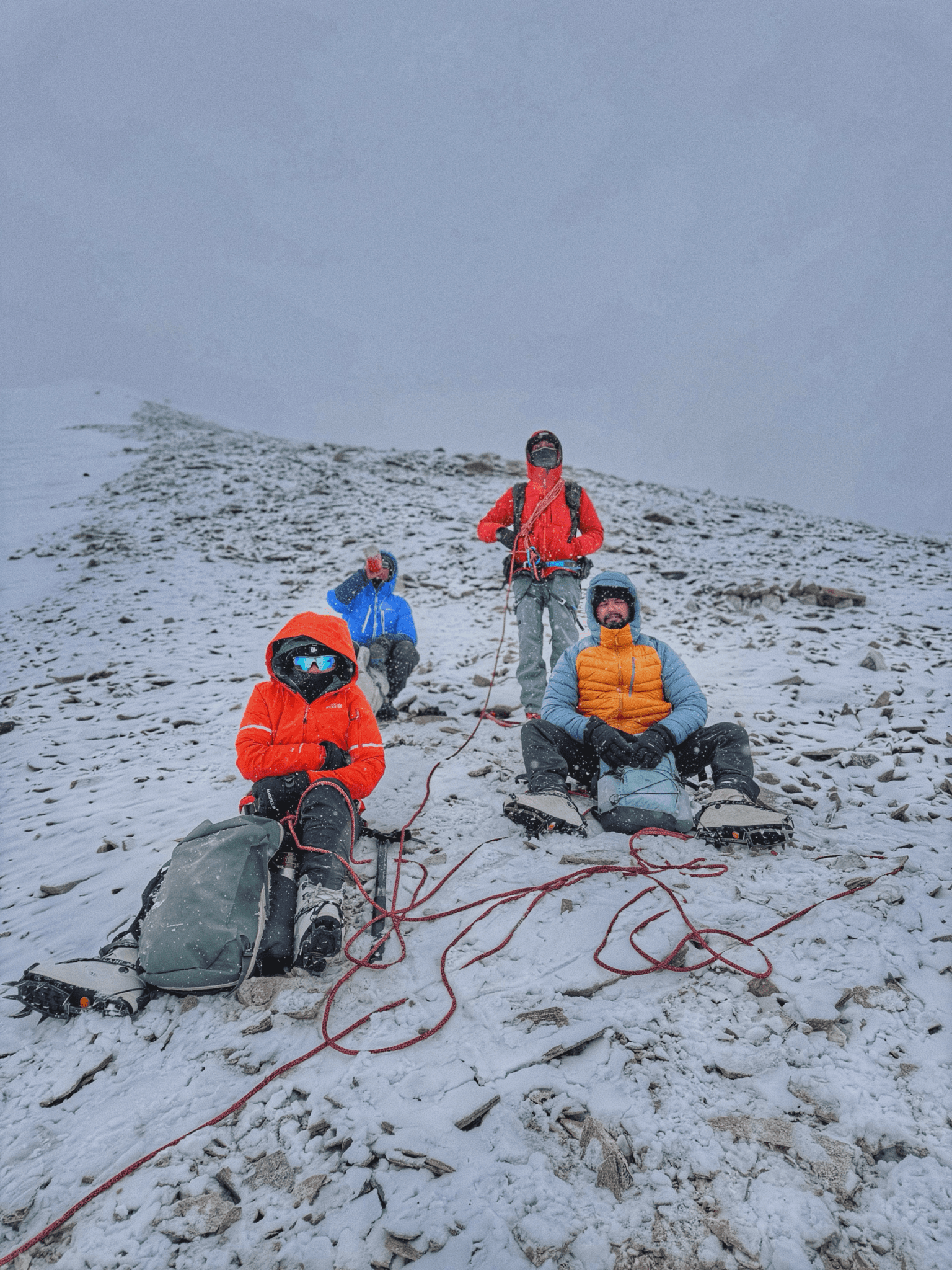
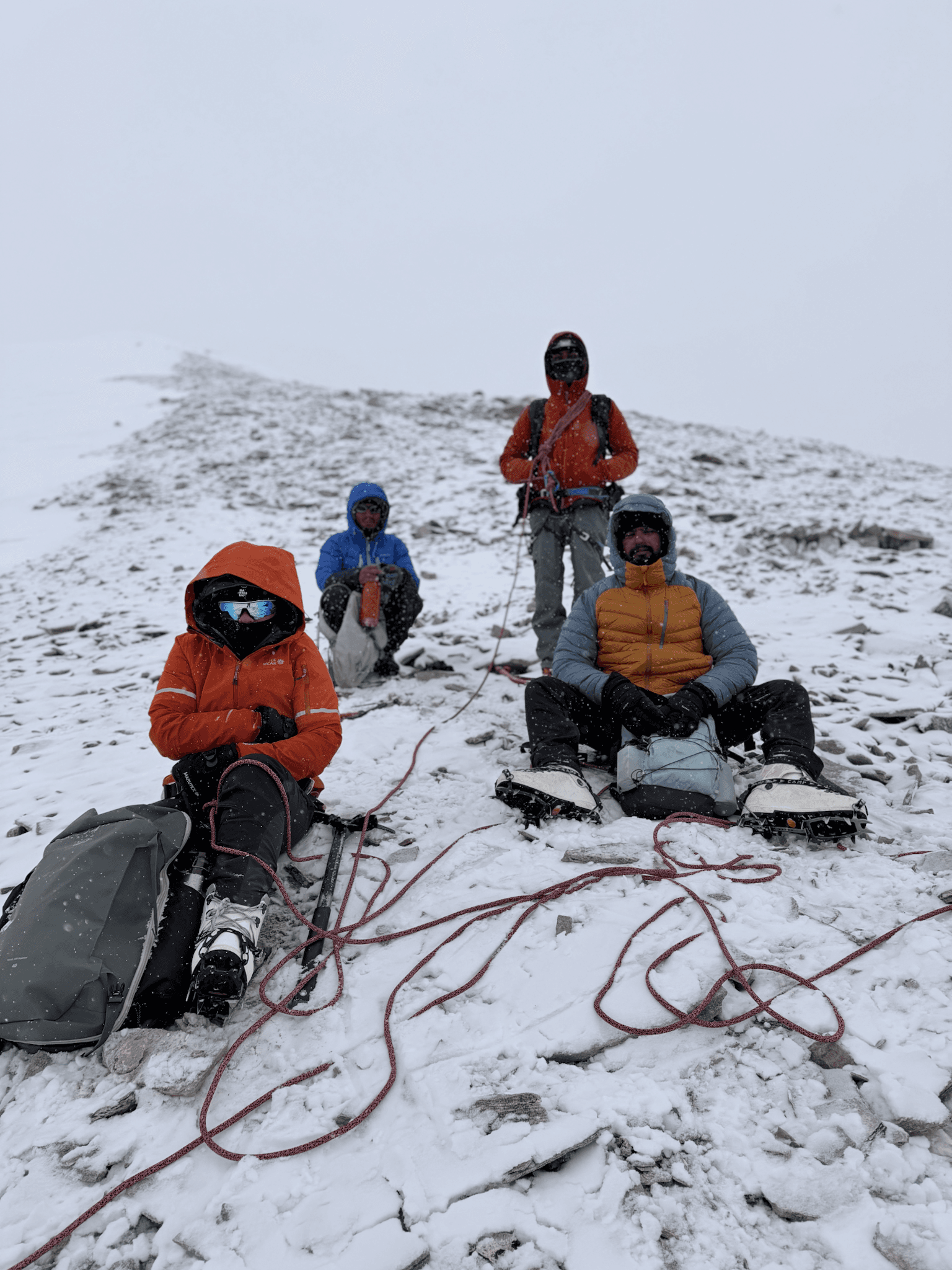
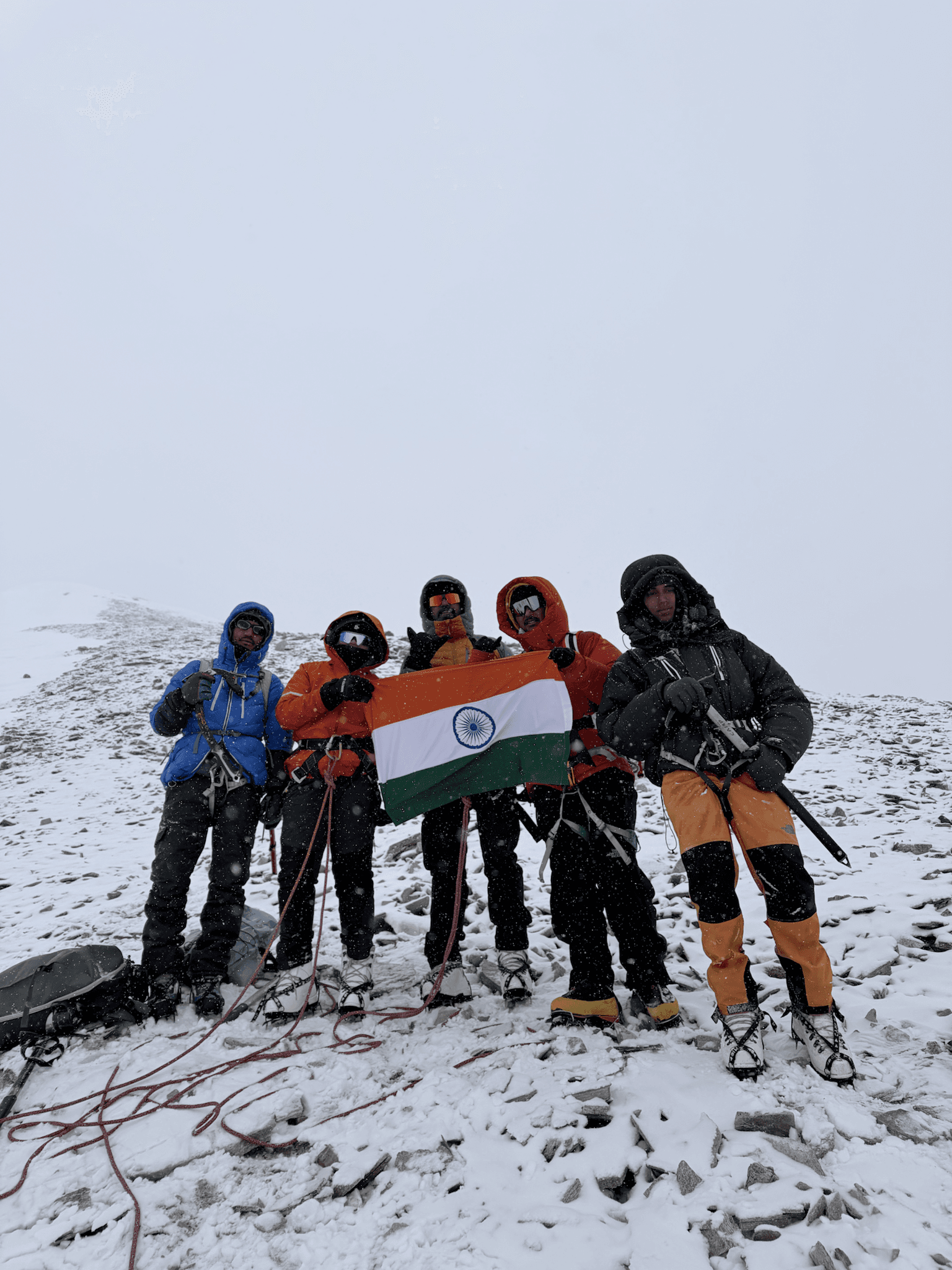
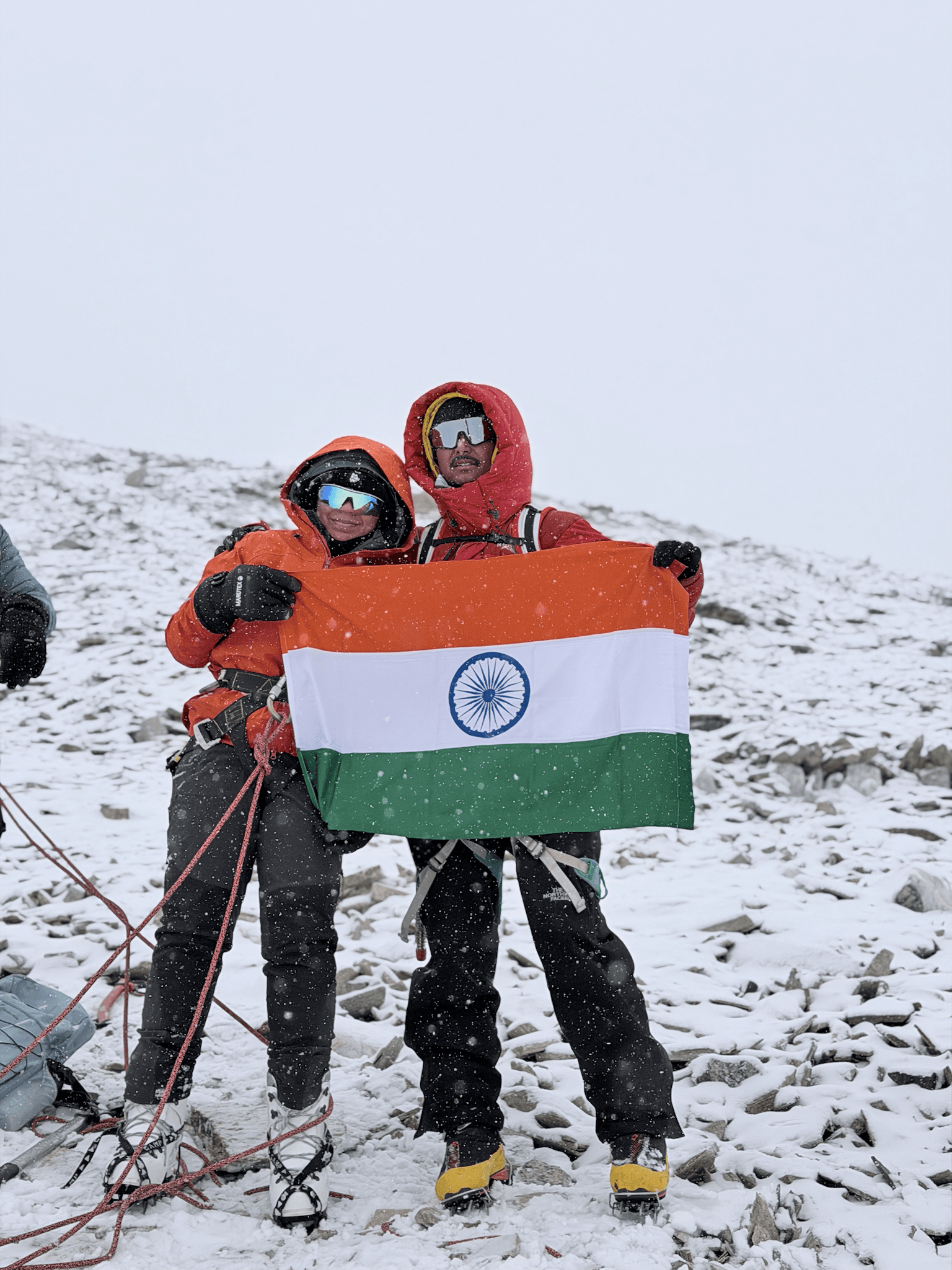
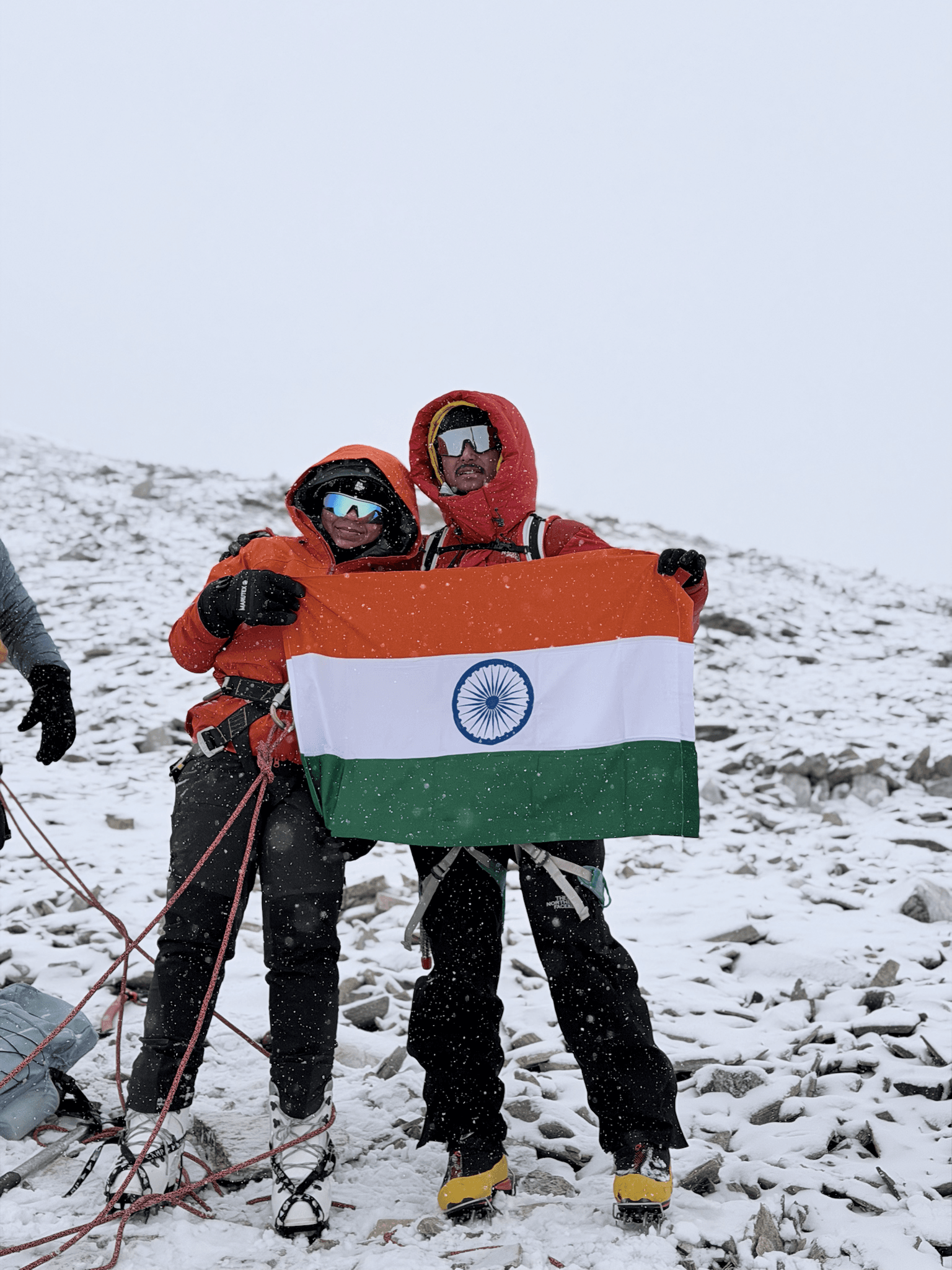
After assessing the conditions at approximately 5,900m, the team agreed that a safe summit attempt was no longer realistic. They photographed the achievement, descended carefully, and drove back to Leh the same day.
Field notes
The details below explain the mountain context behind the team's decision to pause the summit objective and return safely.
What the mountain taught us
A successful Himalayan expedition is measured not only by a summit, but by the judgment to make the right call when the mountain says no.
Every climber returned home safely, carrying stronger technical skills, mountain experience, and a deeper understanding of responsible Himalayan mountaineering.