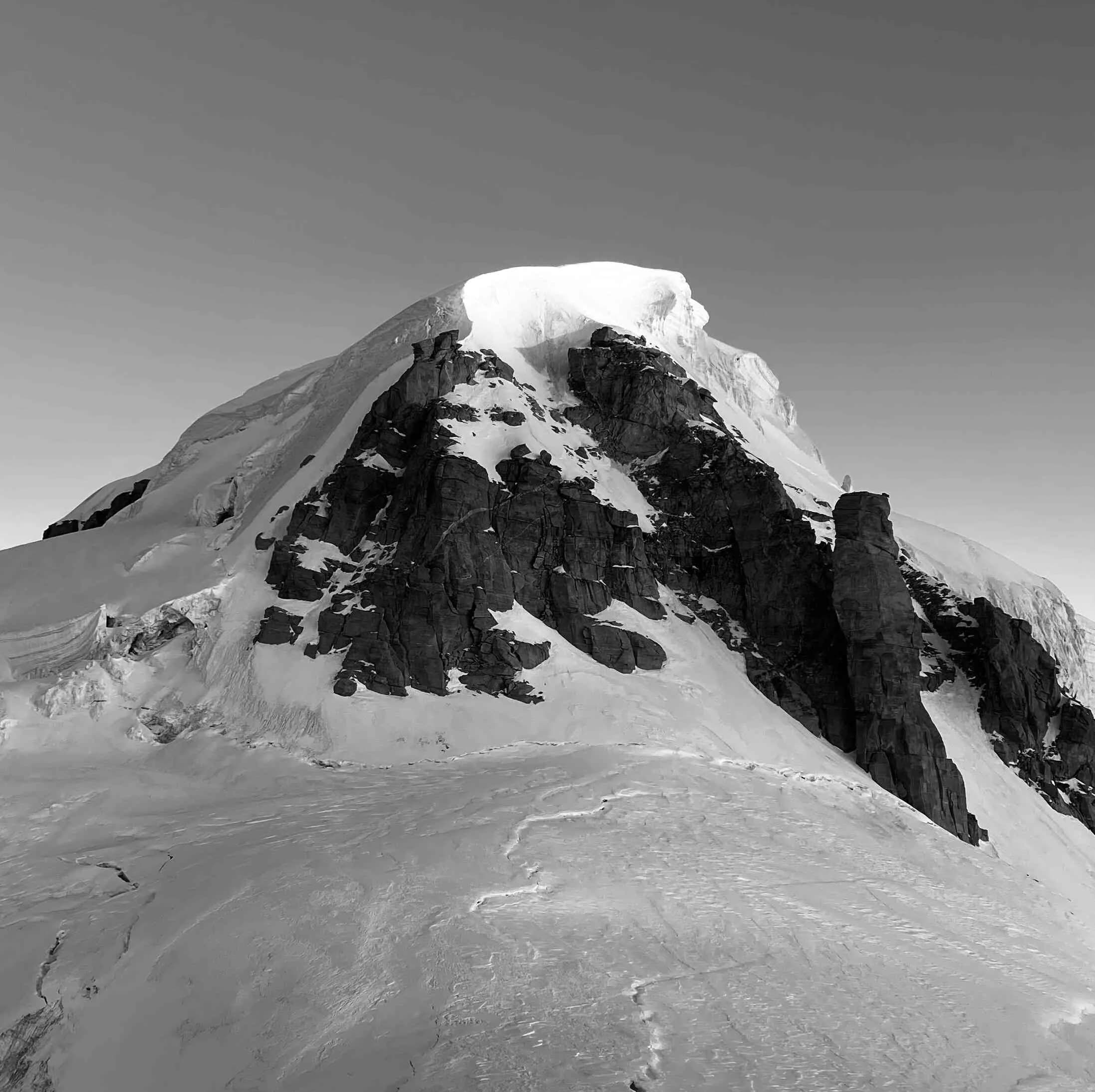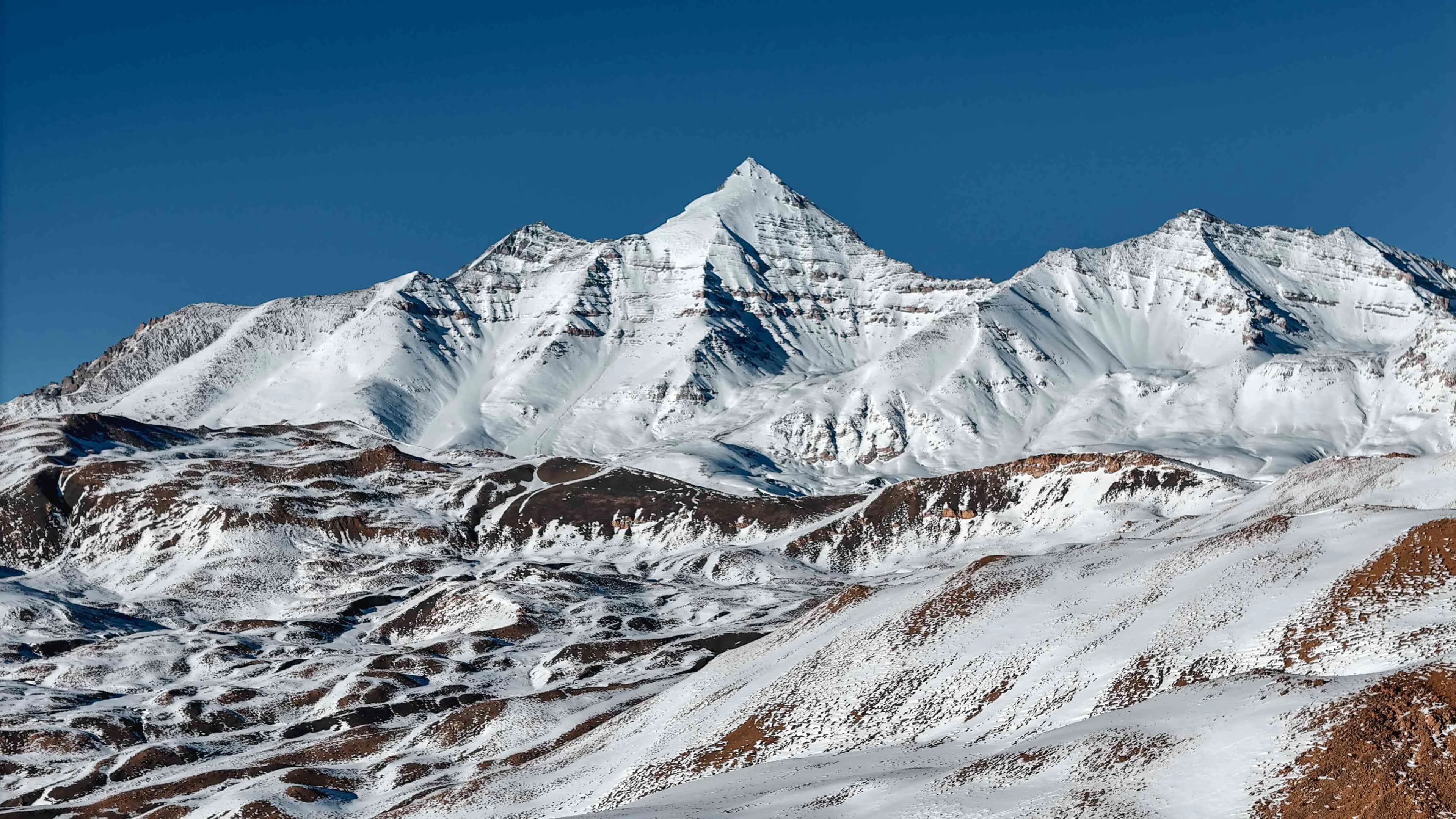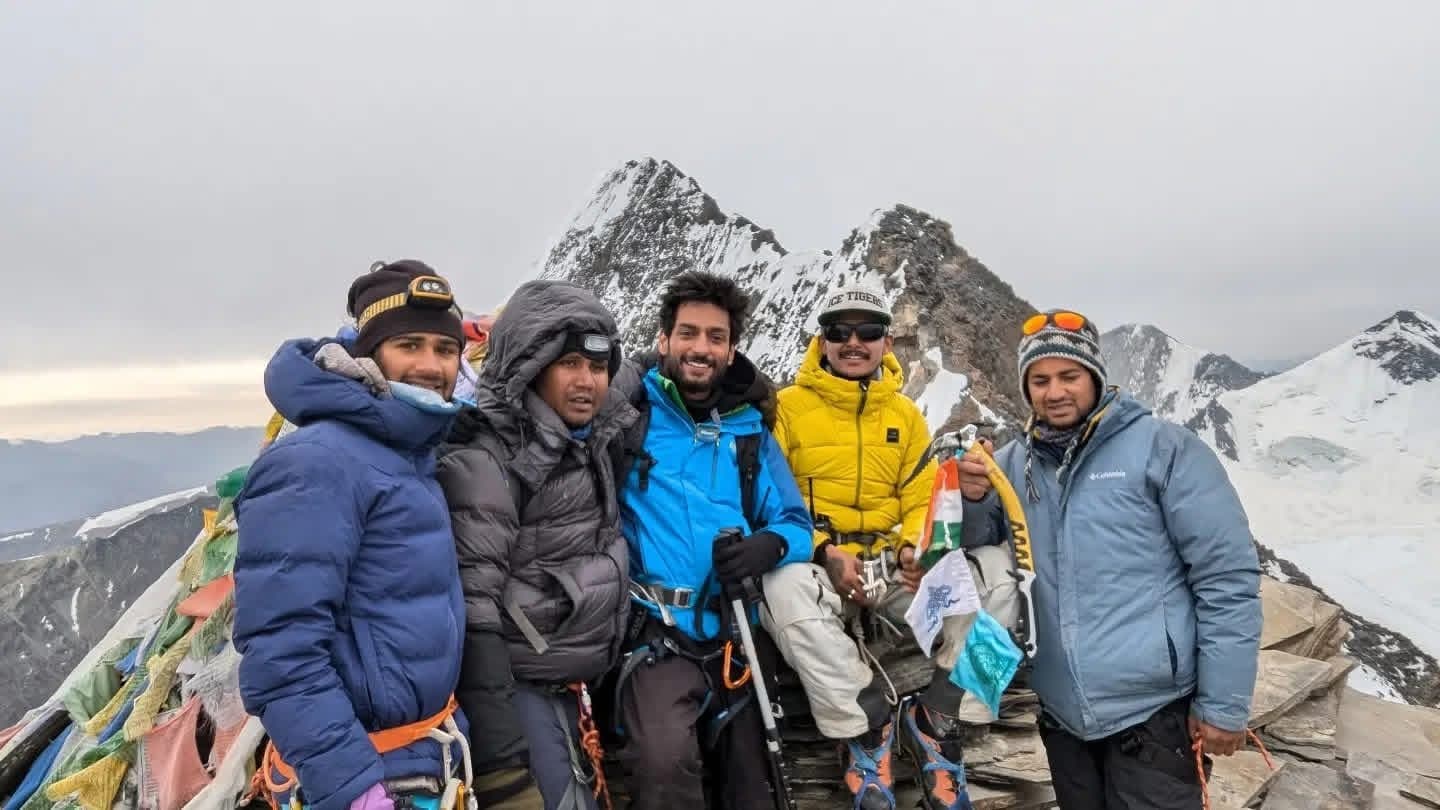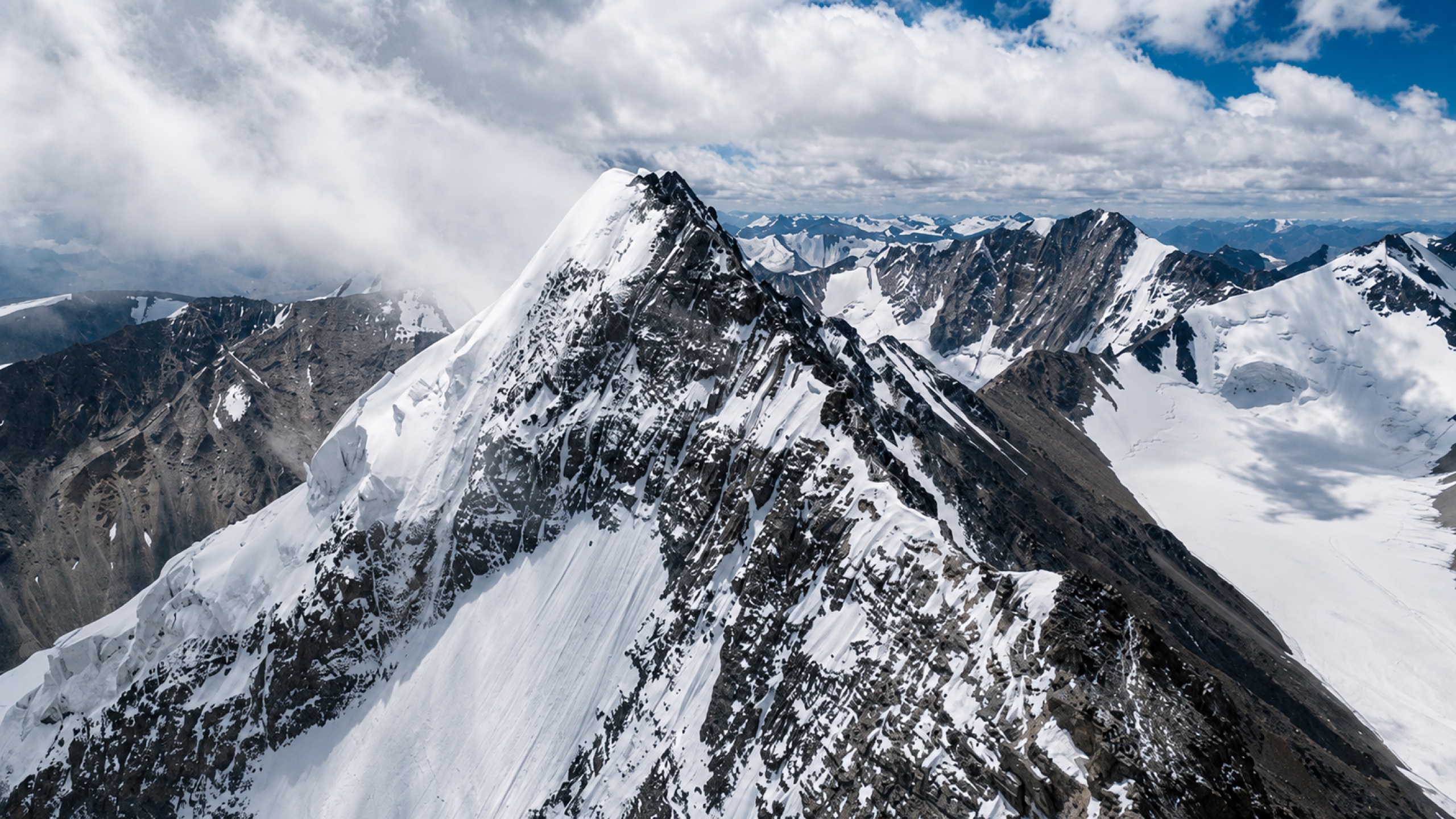
Unlike the more popular Kang Yatse II trekking peak, Kang Yatse I is a true mountaineering objective. Climbers need rope, crampon, ice axe, fixed-rope, and glacier-travel skills.
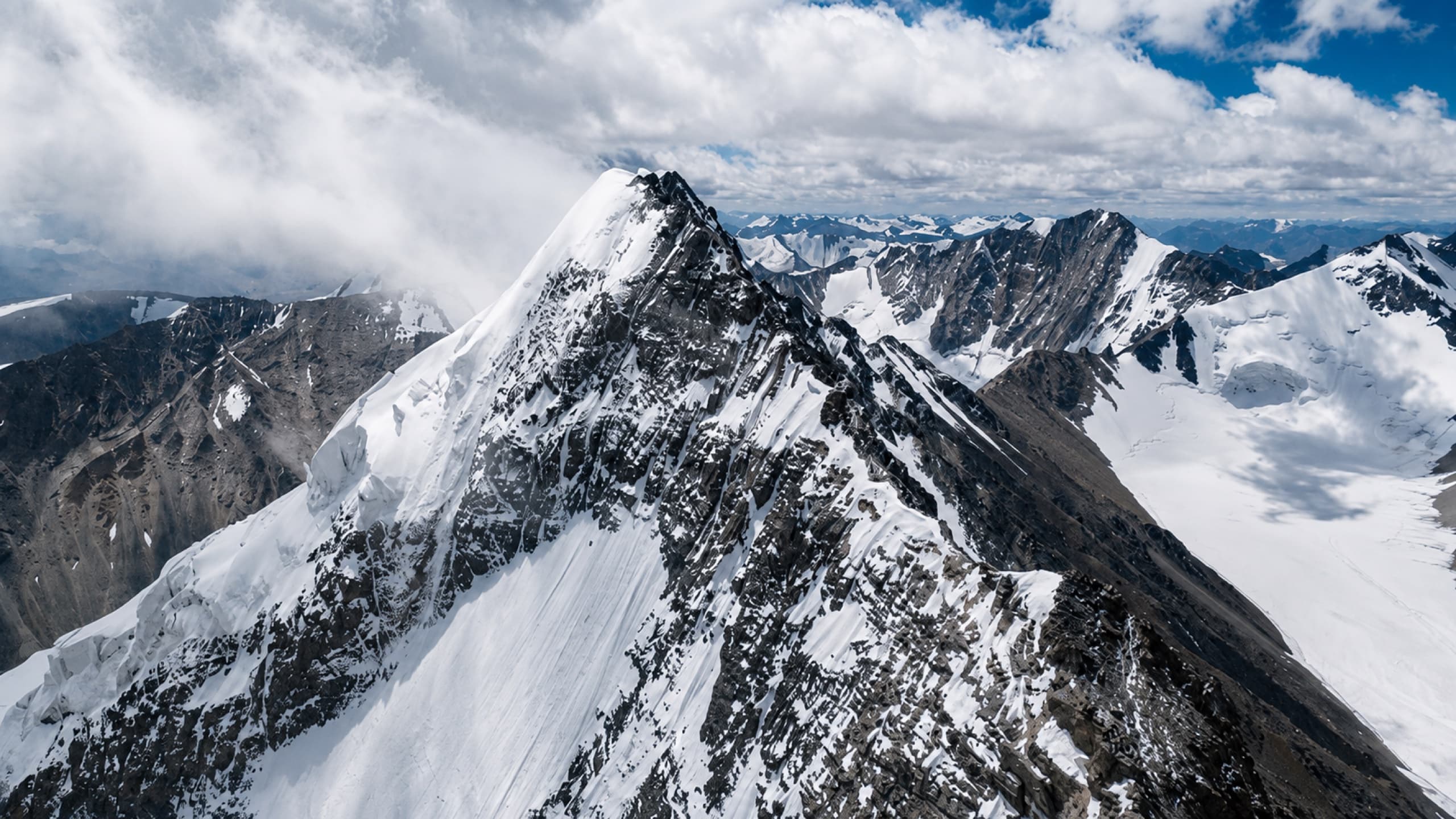
Markha Valley, Ladakh · 6,400 m
Kang Yatse I
Kang Yatse I is a 12+1 days guided Himalayan objective in Markha Valley, Ladakh. It is suited to climbers looking for a demanding expedition.
Expedition fee per person₹1,20,000 / US$2,100
Expedition overview
Kang Yatse I at a glance
Kang Yatse I (6,400m) is one of the most challenging and rewarding climbing peaks in the Indian Himalayas. Located in Ladakh's Markha Valley, the expedition combines high-altitude trekking, glacier travel, technical climbing, and exposed summit ridges.
Altitude
016,400m
Duration
0212 days + 1 buffer
Season
03Jun-Jul-Aug / Sep
Difficulty
04Moderate to Difficult / Alpine PD+
Kang Yatse I
Kang Yatse I Expedition (6400m)
The story
The Ascent of Kang Yatse I
Kang Yatse I rises to 6,400 meters above the scenic Markha Valley in Ladakh, forming one of the region's most respected technical climbing objectives.
Kang Yatse I
A technical 6000m summit above Markha Valley with glacier travel, fixed ropes, and high-altitude exposure.
Ascent notes
What the climb feels like on the mountain.
The route passes through remote Ladakhi villages, high-altitude camps, glaciers, and exposed summit ridges before reaching the summit.
Above Base Camp, climbers complete technical training before moving to Advanced Base Camp and Summit Camp for the final push.
Summit day includes glacier travel, steep snow slopes, fixed rope sections, and technical climbing, demanding endurance, calm rope work, and strong acclimatization.
Led by certified mountain guides, this climb is designed for experienced trekkers and mountaineers progressing from trekking peaks to serious Himalayan mountaineering.
Technical difficulty
Why Kang Yatse I Is a Technical 6000m Challenge
Kang Yatse I is not a trekking peak. It combines altitude, glacier movement, fixed rope climbing, steep snow, and exposed summit terrain.
Field note
Technical does not mean rushed.
The itinerary builds altitude, skills, and decision margin before the summit push, with a dedicated buffer day for weather and route conditions.
Glacier Travel & Fixed Ropes
Climbers navigate glaciers and fixed rope sections requiring technical skills.
High-Altitude Effects
At 6,400m, reduced oxygen levels demand strong acclimatization and endurance.
Technical Summit Push
Snow slopes, ice walls, and jumaring sections require mountaineering proficiency.
Remote Alpine Environment
Once past Hankar, the route enters a remote high-altitude zone with limited facilities.
Long Summit Day
Early alpine start and sustained climbing test both physical and mental strength.
Route & approach
Expedition Route & Approach
The expedition begins in Leh and drives to Sara. It follows the Markha Valley trekking route before ascending to Base Camp and higher camps for the summit of Kang Yatse I.
Route rhythm
Approach, acclimatize, move high, summit, return.
Browse the route manually
Itinerary
Day-by-Day Itinerary – Kang Yatse I Expedition (6400m)
Scan the short plan first, then open the detailed view for the field notes behind each expedition day.
12 days / short
Short day plan
12 days
Day 1
Arrival in Leh – briefing & gear check
01Day 2
Acclimatization hike to Shanti Stupa
02Day 3
Sara → Markha (3700m)
03Day 4
Markha → Hankar (4100m)
04Day 5
Hankar → Base Camp (5100m)
05Day 6
Acclimatization & technical training
06Day 7
Base Camp → Advanced Base Camp (5400m)
07Day 8
Advanced Base Camp → Summit Camp (5800m)
08Day 9
Summit Day – Kang Yatse I (6400m)
09Day 10
Buffer day for weather or summit attempt
10Day 11
Return to Leh
11Day 12
Departure from Leh
12Safety system
Safety, Technical Protocols & Leadership
A guided climb with clear checks before the approach, at camp, and before summit movement.
- 01
Certified mountain guides with BMC, AMC, and Search & Rescue qualified support
- 02
1 guide for every 2 climbers with a maximum group size of 8 participants
- 03
Technical training covering crampon walking, ice axe techniques, rope handling, fixed rope ascending, glacier travel, and self-arrest
- 04
Route fixing and fixed rope safety systems on technical sections
- 05
Basic medical kit, emergency oxygen cylinder, and first-aid support
- 06
Daily weather monitoring, summit strategy, and expedition leader safety decisions
Best fit
Who Should Join This Expedition
A good match for fit beginners and trekkers who want a real summit objective with guided pacing, acclimatization, and mountain skills.
Audience
01Experienced Mountaineers
Climbers with prior high-altitude and technical experience.
Audience
026000m Peak Aspirants
Trekkers progressing toward technical 6000m summits.
Audience
03Alpine & Glacier Climbers
Those trained in rope, crampon, and ice axe techniques.
Audience
04High-Altitude Adventure Seekers
Adventurers prepared for a demanding Himalayan expedition.
Planning notes
Expedition details before you arrive
Practical field information for reaching Leh, acclimatizing properly, preparing for cold high camps, and understanding connectivity once the team leaves town.
01
Meeting Point
Leh, Ladakh
02
Nearest Airport
Leh Airport
03
Nearest Railway Station
Jammu Tawi Railway Station
04
Best Way To Reach
Fly to Leh and arrive at least on Day 1 for acclimatization, briefing, document verification, and gear inspection.
05
Average Temperature
-15°C to +15°C depending on camp and month
06
Best Season
June-September
07
Mobile Network
Limited or no mobile network after leaving Leh
08
Electricity
Light charging facility at base camp
09
Scheduled Batches
New dates to be confirmed — enquire for future departures.
10
Expedition Fee
₹1,20,000 / US$2,100 per person
Why us
Why Climb Kang Yatse I with White Expedition?
The climb is backed by a small-group operating style, experienced Himalayan leadership, premium equipment, and clear safety decisions.
01
Certified Mountain Guides
The expedition is led by certified mountain guides and a Search & Rescue trained team with extensive Himalayan field experience.
02
Industry-Leading 1:2 Guide Ratio
A maximum group size of 8 climbers and one guide for every two climbers gives stronger support on technical terrain.
03
Complete Technical Training
Training covers crampons, ice axe, rope handling, fixed rope ascending, glacier travel, self-arrest, and high-altitude safety.
04
Fixed Rope Safety System
Technical sections are managed with route fixing, rope systems, and summit strategy led by the expedition team.
05
Premium Mountaineering Equipment
Snow boots, crampons, ice axe, harness, helmet, carabiners, jumar, descender, ropes, slings, and group technical equipment are included.
06
Oxygen & Medical Backup
Emergency oxygen, first-aid support, and a basic medical kit are part of the expedition safety setup.
07
Professional Expedition Management
Permits, base camp logistics, transportation, support team, accommodation, meals, training, and summit planning are coordinated end to end.
08
Client-Focused Premium Service
Small groups, premium Leh hotel stays, technical support, and clear communication create a more personal expedition experience.
Trip details
Inclusion, exclusion and carry
A quick reference for what is covered, what stays personal, and what you should pack for the climb.
What is included
36 items
Group 01
Accommodation & Meals
3 nights premium hotel accommodation in Leh on double sharing
01First 2 nights before expedition and last 1 night after expedition
02Breakfast and dinner during hotel stay
03Traditional homestay accommodation at Markha and Hankar
04All meals during homestay and expedition
05Triple-sharing expedition tents
06Sleeping bag and mattress
07Dining tent and toilet tent
08
Group 02
Permits & Logistics
All required climbing permits
01Environmental and expedition fees
02Base camp setup and logistics support
03Transportation as per itinerary
04Light charging facility at base camp
05
Group 03
Professional Support
Certified mountain guides
01BMC, AMC, and Search and Rescue qualified team
021 guide for every 2 climbers
03Maximum 8 participants per batch
04Dedicated support team
05Technical mountaineering training
06Route fixing and safety management
07
Group 04
Safety & Climbing Equipment
Basic medical kit
01Emergency oxygen cylinder
02First aid support
03Snow boots
04Crampons
05Ice axe
06Harness
07Helmet
08Carabiners
09Jumar
10Descender
11Climbing rope
12Slings
13Group technical equipment
14Summit certificate
15Professional expedition support
16
Optional extras
Add-on services for the climb
Choose extra support only if you want lighter load carrying, one-on-one climbing attention, private accommodation, or dedicated expedition media coverage.
01
Offloading Service
₹5,000 per person
Porter support for carrying personal gear.
02
Personal Guide
₹10,000 per person
Dedicated one-on-one climbing support.
03
Single Sharing Room & Tent
₹13,000 per person
Private hotel room and expedition tent.
04
Professional Photo & Video Package
₹10,000 per person
Professional photography, drone coverage when weather permits, edited photos and videos, and a summit highlight reel.
Policies
Payments and cancellation
A simple reference for confirming your seat, clearing the balance, and understanding cancellation windows before the climb.
Payment policy
Confirmation schedule
2 steps
Advance
0130% booking payment
30% advance payment required to confirm booking
Balance
0270% balance payment
Remaining 70% payable before expedition start
Cancellation policy
Refund and weather windows
7 rules
Cancellation 15 days before start: 100% refund or future adjustment.
01Cancellation within 15 days: 50% refund.
02Cancellation within 7 days: No refund.
03No refund if a participant leaves the expedition voluntarily.
04No refund for cancellations caused by weather, landslides, road closures, government restrictions, natural disasters, or other force majeure events.
05The expedition leader has final authority regarding safety, route changes, and summit attempts.
06Mountaineering involves inherent risks. Participants must accept these risks before joining the expedition.
07
Policies balance climber safety, logistics, and expedition fairness in high-altitude Himalayan conditions.
Questions
Frequently asked questions
Clear answers to the most common questions about Kang Yatse I Expedition (6400m), training, weather, and completion.
Expedition Gallery
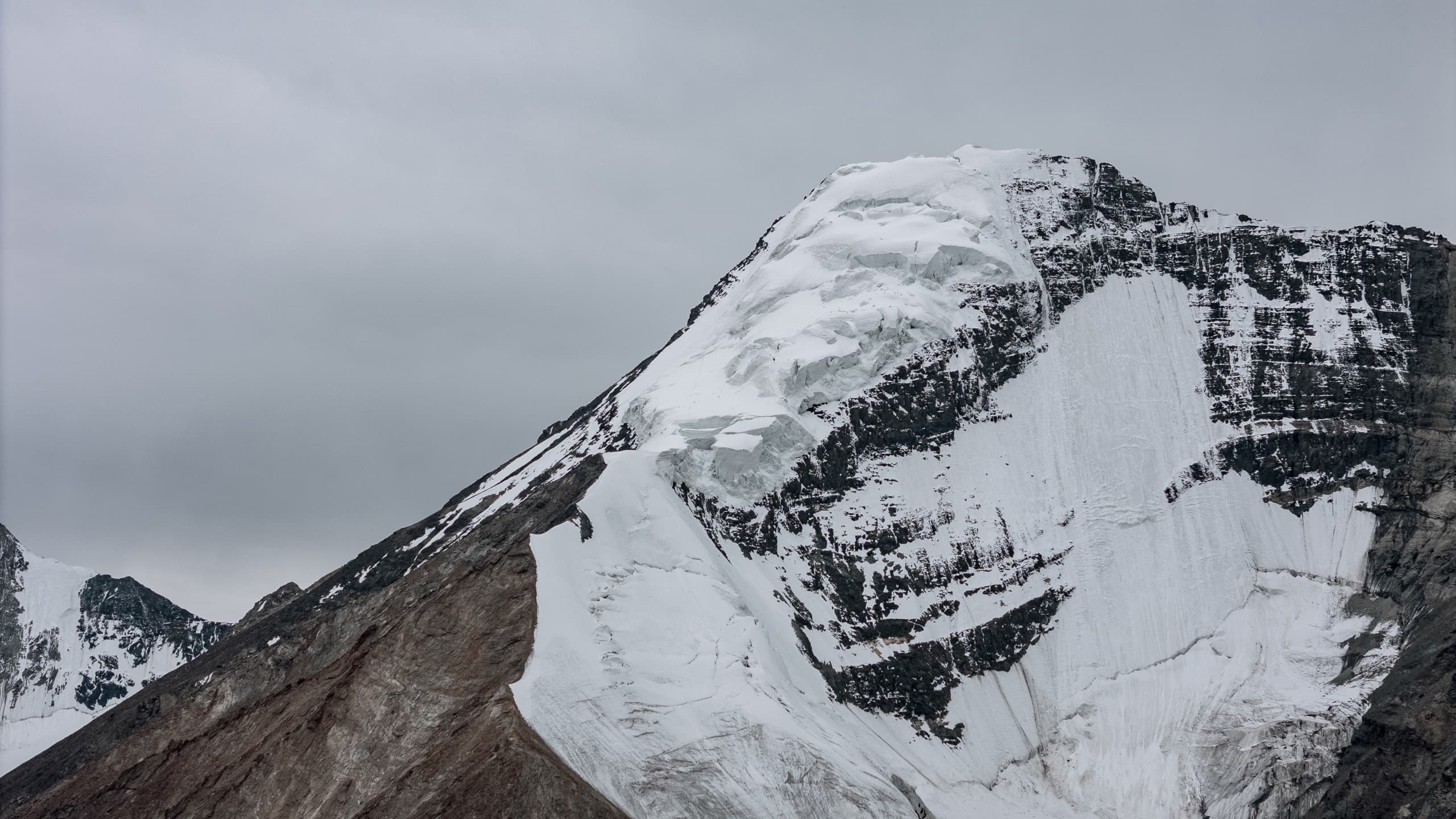
A visual glimpse into the Kang Yatse I Expedition — showcasing Markha Valley, glacier camps, summit pushes, and the high-altitude Ladakh landscape.
1 / 11