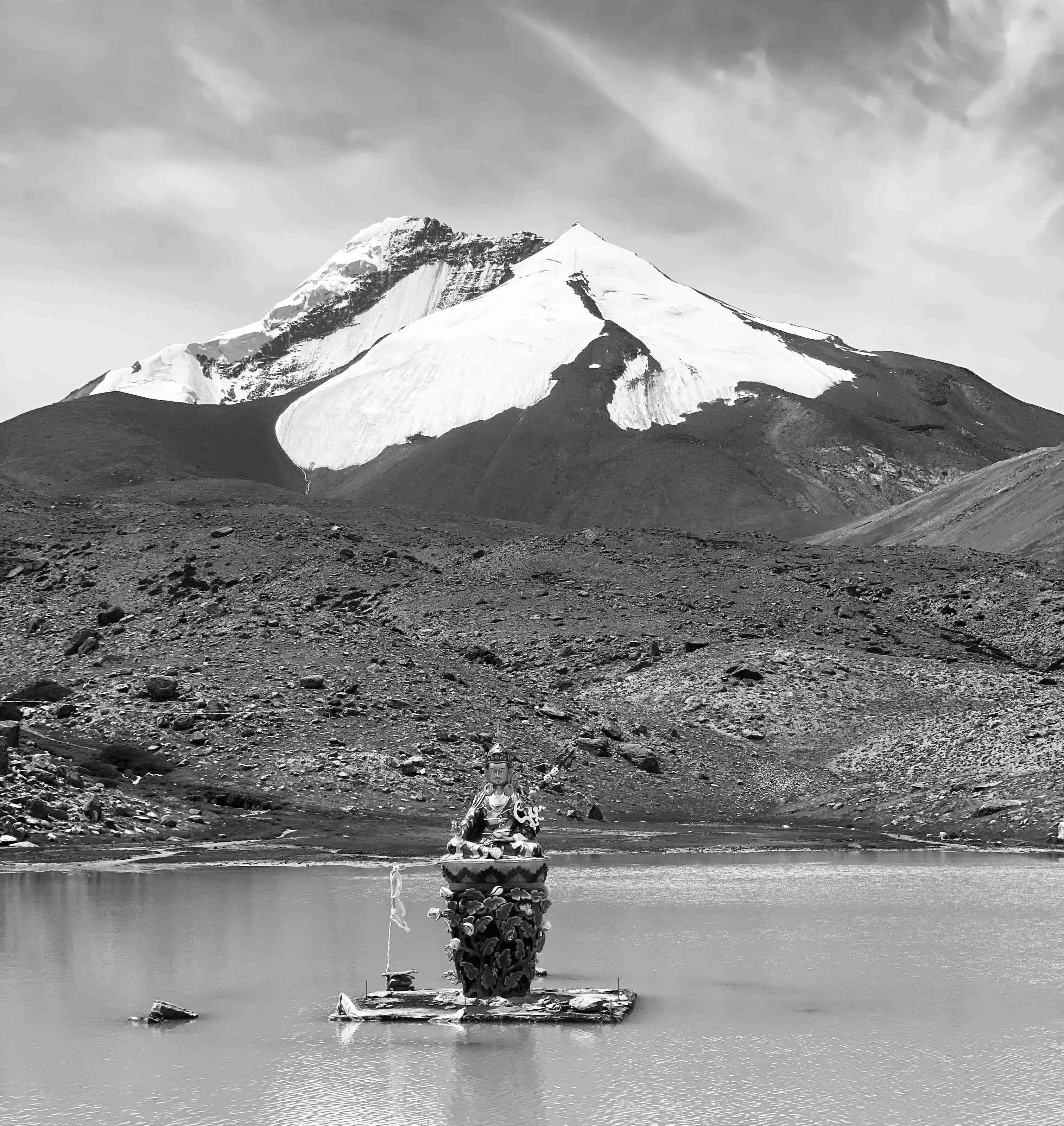
Training Guide
Kang Yatse I. Your training guide.
Complete training guide for Kang Yatse I (6,400m) covering fitness, technical skills, altitude prep, mental readiness, and structured timeline before expedition.
Kang Yatse I Training – Complete Training Guide to Climb Kang Yatse I (6400m)
Climbing a 6000-meter Himalayan peak requires serious preparation, strong fitness, and good mountaineering skills. One of the most exciting technical peaks in Ladakh is Kang Yatse I, rising to an altitude of 6,400 meters in the beautiful Markha Valley region of Ladakh. Unlike its neighboring peak Kang Yatse II, which is considered a trekking peak, Kang Yatse I is a technical mountaineering climb. This means climbers must be well prepared physically and technically before attempting the summit. Many climbers ask the same question before joining the expedition: How should I train for Kang Yatse I? In this complete guide, we will explain the best training plan for Kang Yatse I, including fitness preparation, technical skills, and altitude training. With the right preparation and the support of an experienced expedition team like White Expedition, climbers can significantly increase their chances of a successful summit.
*Strong preparation is the single biggest advantage on a technical 6,400m summit push.*
Why Training is Important for Kang Yatse I
Climbing Kang Yatse I is not just a long trek. It is a serious alpine climb that involves: Steep snow slopes
Glacier travel
Fixed rope climbing
High altitude above 6,400 meters
Without proper training, climbers may struggle with fatigue, altitude sickness, or technical sections on the mountain. Good preparation helps climbers: Improve endurance
Build strength for carrying heavy backpacks
Develop technical climbing skills
Adapt better to high altitude conditions
Training also improves confidence and safety during the expedition.
Physical Fitness Training for Kang Yatse I
The first and most important part of training is building strong physical fitness. Climbers must be able to walk long distances at high altitude while carrying equipment.
1. Cardiovascular Training
Endurance is essential for high altitude climbing. Cardio training helps improve stamina and lung capacity. Good cardio exercises include: Running
Cycling
Swimming
Stair climbing
Ideally, climbers should train 4 to 5 days per week. Long distance hiking is especially helpful because it simulates mountain conditions.
2. Hiking with Backpack
During the Kang Yatse expedition, climbers often carry backpacks weighing 10 to 15 kg. Training hikes with a backpack help prepare the body for this load. Start with shorter hikes and gradually increase the distance and weight. This type of training improves: Leg strength
Endurance
Balance on uneven terrain
3. Strength Training
Mountaineering requires strong legs and core muscles. Strength training exercises should include: Squats
Lunges
Step ups
Deadlifts
Core workouts
These exercises improve stability and power during steep climbs. Training the upper body is also helpful for rope climbing and ice axe use.
Technical Training for Kang Yatse I
Because Kang Yatse I is a technical peak, climbers should have basic mountaineering skills. Important technical skills include: Crampon Walking Crampons allow climbers to walk safely on snow and ice. Learning proper crampon technique prevents slipping on steep slopes.
Ice Axe Techniques The ice axe is one of the most important tools in mountaineering. Climbers must know how to: Use the ice axe for balance
Self arrest during a fall
Climb steep snow slopes
Fixed Rope Climbing Some sections of Kang Yatse I require climbing with fixed ropes. Climbers must know how to use equipment like: Ascenders
Harness
Carabiners
Practicing these skills before the expedition can greatly increase confidence on the mountain.
Altitude Preparation
High altitude is one of the biggest challenges on Kang Yatse I. At 6,400 meters, oxygen levels are much lower than at sea level. Symptoms of altitude sickness can include: Headaches
Fatigue
Loss of appetite
Difficulty sleeping
The best way to prepare is by doing high altitude trekking before the expedition. Climbing smaller peaks like: Friendship Peak
Yunam Peak
can help climbers gain valuable altitude experience. During the expedition, proper acclimatization days are scheduled to allow the body to adapt gradually.
Mental Preparation
Climbing a Himalayan peak is not only physically demanding but also mentally challenging. During the expedition climbers may face: Cold temperatures
Long summit days
Difficult weather conditions
Mental strength helps climbers stay focused and motivated even in challenging situations. Practicing meditation, breathing exercises, or endurance sports can help build mental resilience.
Training Timeline for Kang Yatse I
A proper training plan should start at least 3 to 4 months before the expedition.
4 Months Before Expedition
Focus on building basic endurance with running, cycling, and hiking.
3 Months Before Expedition
Add strength training and longer hikes with a backpack.
2 Months Before Expedition
Practice mountaineering skills like crampon walking and rope climbing.
1 Month Before Expedition
Increase hiking intensity and simulate summit day conditions with long climbs.
Nutrition for Mountaineering Training
Good nutrition is essential during training. Climbers should focus on: High protein foods for muscle recovery
Complex carbohydrates for energy
Hydration to maintain endurance
Avoid excessive junk food or alcohol during training months. A healthy diet improves performance and recovery.
Why Train with White Expedition
Preparing for a Himalayan expedition can be challenging without proper guidance. White Expedition helps climbers prepare for mountains like Kang Yatse I through professional expedition planning and guidance.
Experienced Mountaineering Team White Expedition is led by professional mountaineers with extensive experience climbing across the Indian Himalaya. Their knowledge helps climbers prepare for the challenges of high altitude expeditions.
Pre Expedition Guidance Before the expedition, the team provides guidance on: Physical training plans
Equipment preparation
Technical climbing skills
This ensures climbers arrive well prepared for the climb.
Safe and Professional Expeditions White Expedition follows strict safety standards including: Proper acclimatization schedules
Professional mountain guides
High quality climbing equipment
This greatly improves the chances of a safe and successful summit.
Final Thoughts
Climbing Kang Yatse I is one of the most rewarding mountaineering experiences in the Indian Himalaya. The peak offers an exciting combination of: Technical climbing
High altitude challenge
Incredible Himalayan scenery
However, success on this mountain depends heavily on proper training and preparation. By building strong fitness, learning technical mountaineering skills, and preparing mentally for the expedition, climbers can greatly improve their chances of reaching the summit. With the right training and the support of an experienced expedition team like White Expedition, the dream of standing on the 6,400 meter summit of Kang Yatse I can become a reality.