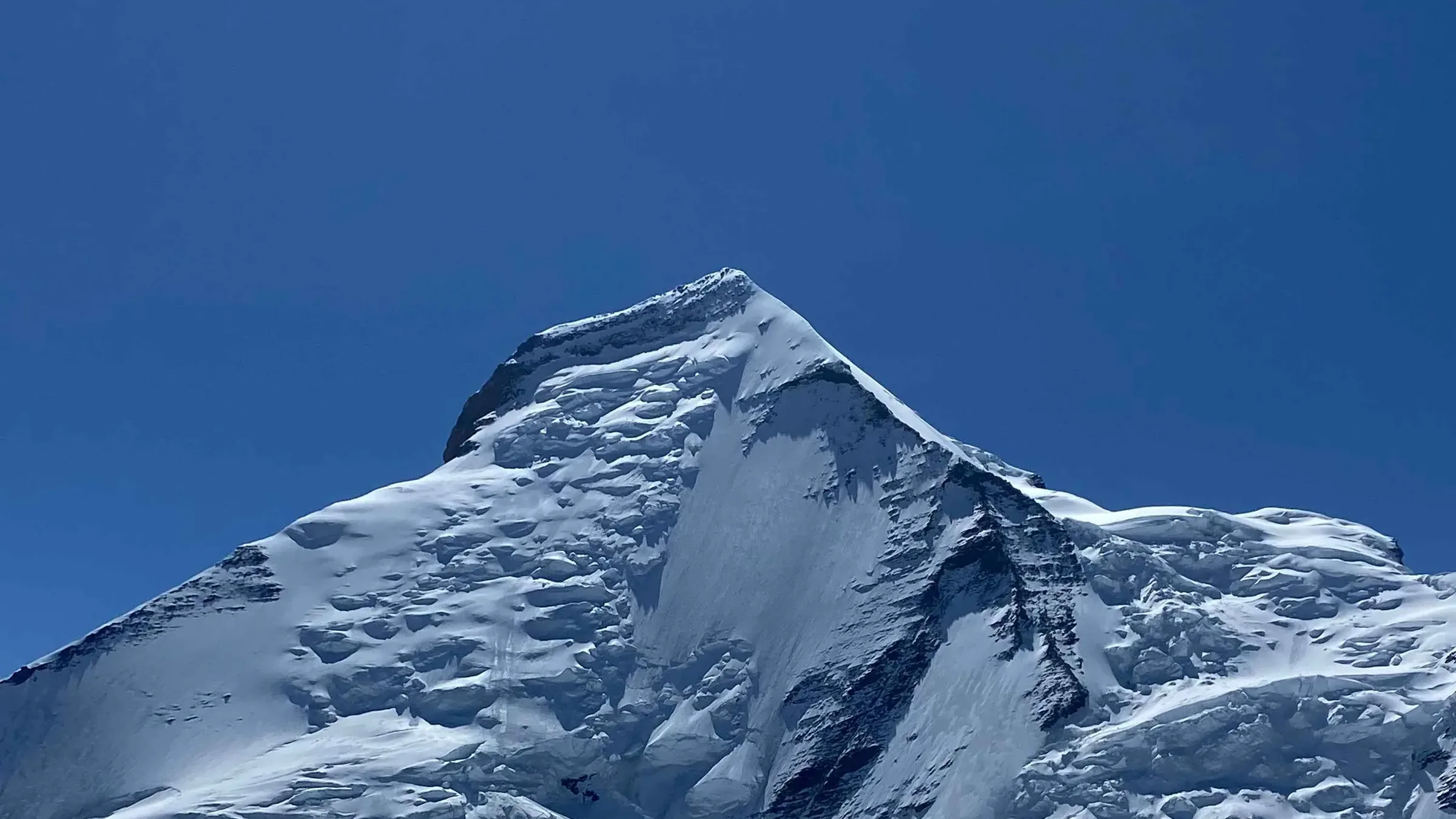
Complete Guide
How to Climb Mt Nun (7,135m) in India: Complete 2027 Expedition Guide
Plan a Mt Nun (7,135m) expedition in Ladakh for 2027: location, route and camps, difficulty, season, 25-day itinerary, equipment, permits, cost and preparation, with a side-by-side look at neighbouring Mt Kun (7,077m).
Mount Nun | 7,135 Metres | Ladakh, Indian Himalayas | White Expedition
Are you planning to climb a 7,000-metre Himalayan peak in 2027? Standing at an impressive altitude of 7,135 metres (23,409 feet), Mount Nun is one of the most remarkable and challenging mountaineering objectives in the Indian Himalayas.
Located in the Suru Valley of Ladakh, India, Mount Nun offers a serious high-altitude climbing experience involving glacier travel, technical snow and ice climbing, fixed-rope sections and demanding summit conditions.
For experienced mountaineers looking to take their Himalayan climbing journey above 7,000 metres, Mt Nun presents an opportunity to climb one of the highest peaks in the Indian Himalayas.
With the 2027 climbing season approaching, this guide covers everything you need to know about climbing Mt Nun in India, including its location, climbing route, difficulty, best season, acclimatization, expedition itinerary, equipment, permits, costs and preparation. Throughout the guide we also compare it with its neighbour in the same massif, Mt Kun (7,077m), so you can decide which of the two 7,000m peaks suits you.
Whether you are an experienced Himalayan climber or an ambitious mountaineer preparing for your first 7,000-metre summit, understanding the mountain and its challenges is the first step towards a successful expedition.
1. About Mount Nun – 7,135m
Mount Nun, rising to 7,135 metres, is the highest peak of the Nun-Kun massif, located in the Zanskar Range of Ladakh, India.
The mountain stands above the spectacular Suru Valley in the Kargil district. Its impressive snow-covered summit, extensive glaciers and steep upper slopes make it a significant objective for mountaineers from around the world.
Unlike conventional trekking peaks, Mt Nun is a serious high-altitude mountaineering expedition requiring technical climbing abilities, excellent physical fitness, proper acclimatization and previous experience in glacier travel.
The mountain provides an opportunity to experience the challenges of climbing above 7,000 metres while exploring one of the most spectacular mountain regions of the Indian Himalayas.
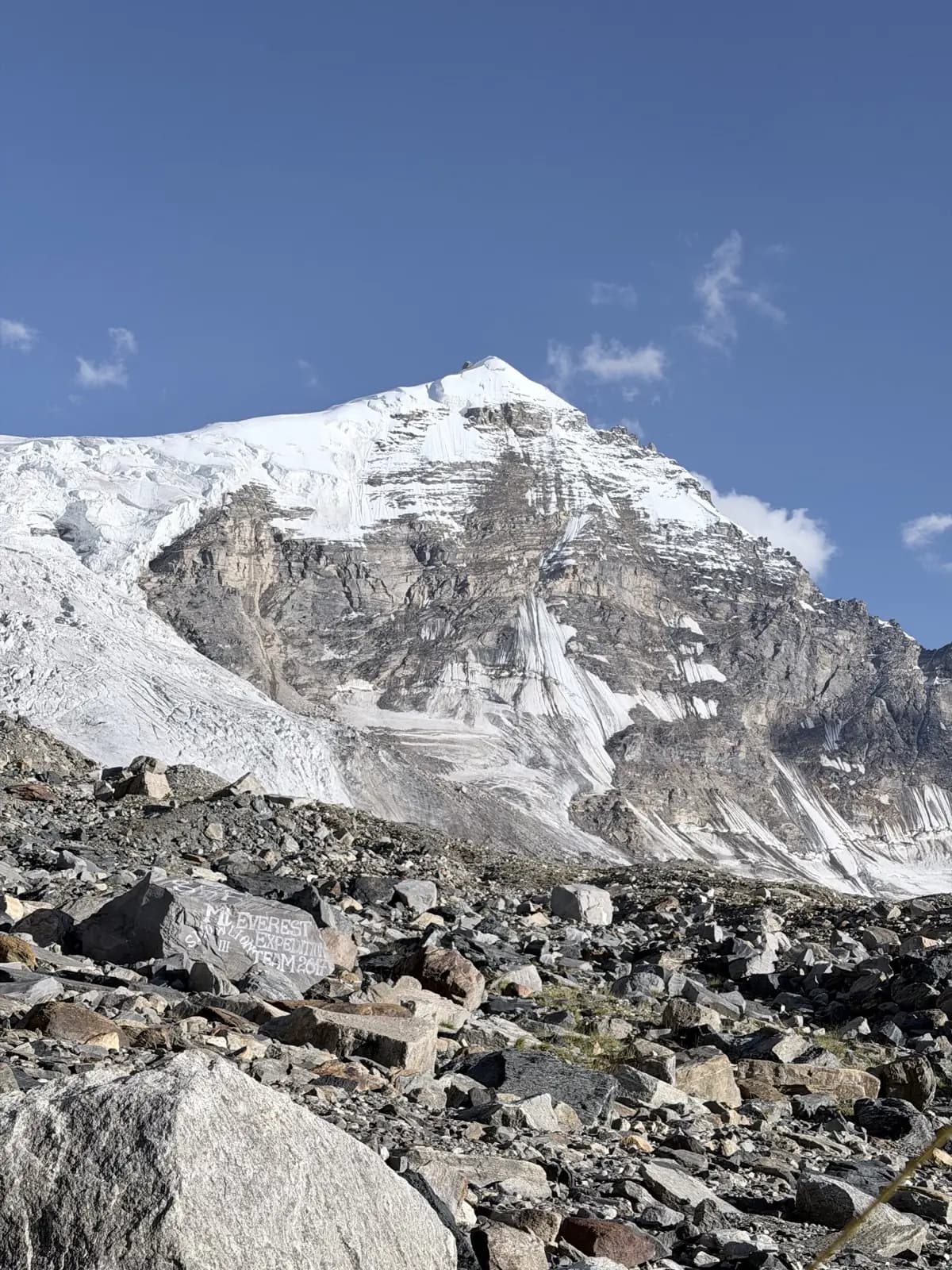
Mt Nun at a glance
- Mountain: Mount Nun
- Altitude: 7,135m / 23,409ft
- Location: Suru Valley, Ladakh, India
- Mountain Region: Nun-Kun Massif
- Mountain Range: Zanskar Range
- Expedition Duration: Approximately 25 days
- Climbing Season: July–September
- Difficulty: Very Difficult
- Expedition Type: Advanced High-Altitude Mountaineering
- Nearest Major Town: Kargil
- Expedition Starting Point: Delhi
2. Where Is Mt Nun Located?
Mount Nun is located in the Suru Valley of the Kargil district in Ladakh, northern India.
The mountain belongs to the Nun-Kun massif, a spectacular group of Himalayan peaks situated in the western part of the Indian Himalayas. Its twin, Mt Kun (7,077m), rises across the same massif and is approached separately through Shafat Nala.
The Suru Valley is known for its dramatic mountain landscapes, glaciers, traditional villages and beautiful views of the surrounding Himalayan ranges.
Tangol village serves as the traditional approach point for Mount Nun expeditions. From here, climbers proceed towards the mountain’s Base Camp before beginning the main climbing phase.
Kargil is the nearest major town, while Leh serves as an important arrival and acclimatization point for the expedition.
For international climbers, the journey generally begins in Delhi, followed by a flight to Leh and a road journey through Ladakh towards the Suru Valley.
3. Why Climb Mt Nun in 2027?
If you are searching for a challenging 7,000-metre expedition in India, Mt Nun deserves serious consideration.
There are several reasons why international mountaineers choose this mountain.
A genuine 7,000-metre Himalayan objective
At 7,135 metres, Mt Nun offers the experience of climbing in the extreme-altitude environment above 7,000 metres. It is the higher of the two Nun-Kun summits, 58 metres above Mt Kun.
Technical mountaineering experience
The route involves glacier travel, snow and ice climbing, fixed ropes and movement through multiple high-altitude camps.
A spectacular Himalayan location
The Suru Valley provides an extraordinary setting, with massive glaciers, remote mountain terrain and impressive Himalayan landscapes.
An advanced climbing objective
Mt Nun is suitable for experienced mountaineers seeking to progress towards more demanding Himalayan peaks.
A professionally guided expedition
With appropriate mountain leadership, expedition logistics, acclimatization and safety systems, climbers can focus on their preparation and climbing objectives.
4. Mt Nun Expedition Difficulty – How Difficult Is It?
Mount Nun is considered a very difficult high-altitude mountaineering expedition.
Climbing above 7,000 metres presents challenges that go far beyond ordinary trekking or hiking.
The mountain requires a combination of physical endurance, technical climbing ability, high-altitude experience and sound decision-making.
Some of the major challenges include:
High-altitude conditions
At 7,135 metres, oxygen availability is significantly reduced compared with sea level. Climbers must be physically prepared and properly acclimatized to operate at these elevations.
Glacier travel
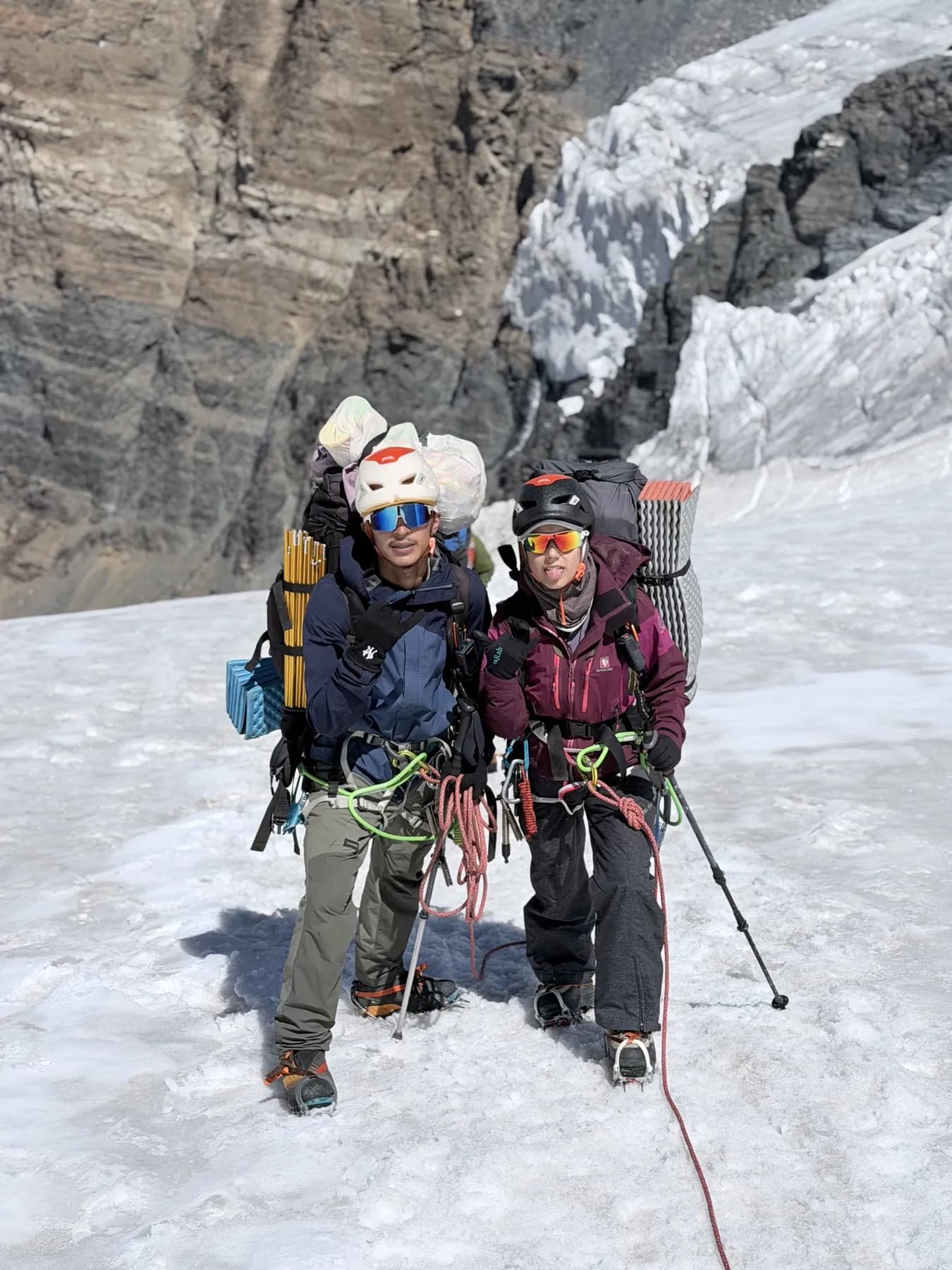
Participants should have experience moving across glaciated terrain and using appropriate mountaineering equipment.
Snow and ice climbing
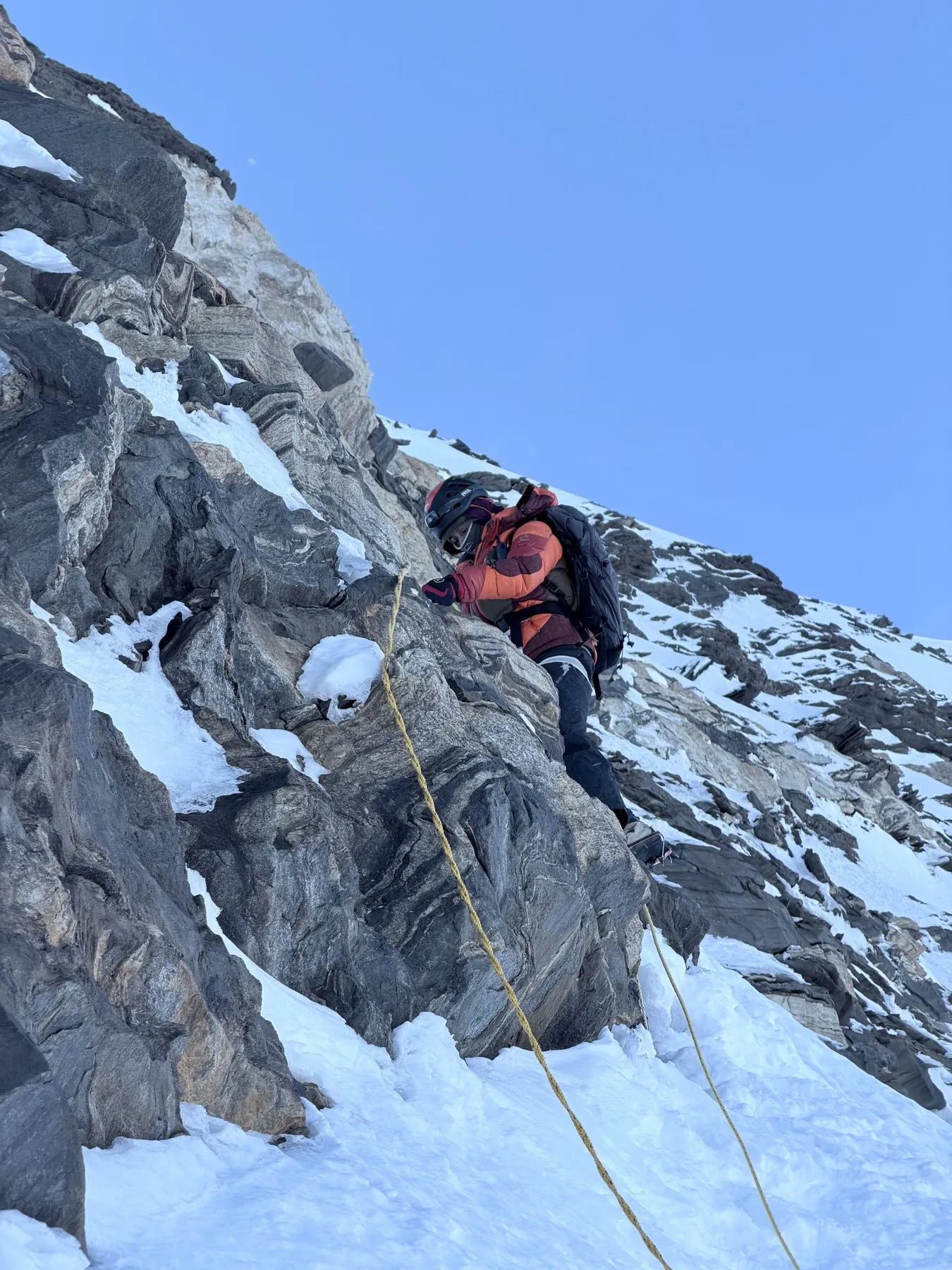
The upper sections involve snow and ice climbing. Confidence with crampons, ice axes and fixed-rope systems is essential.
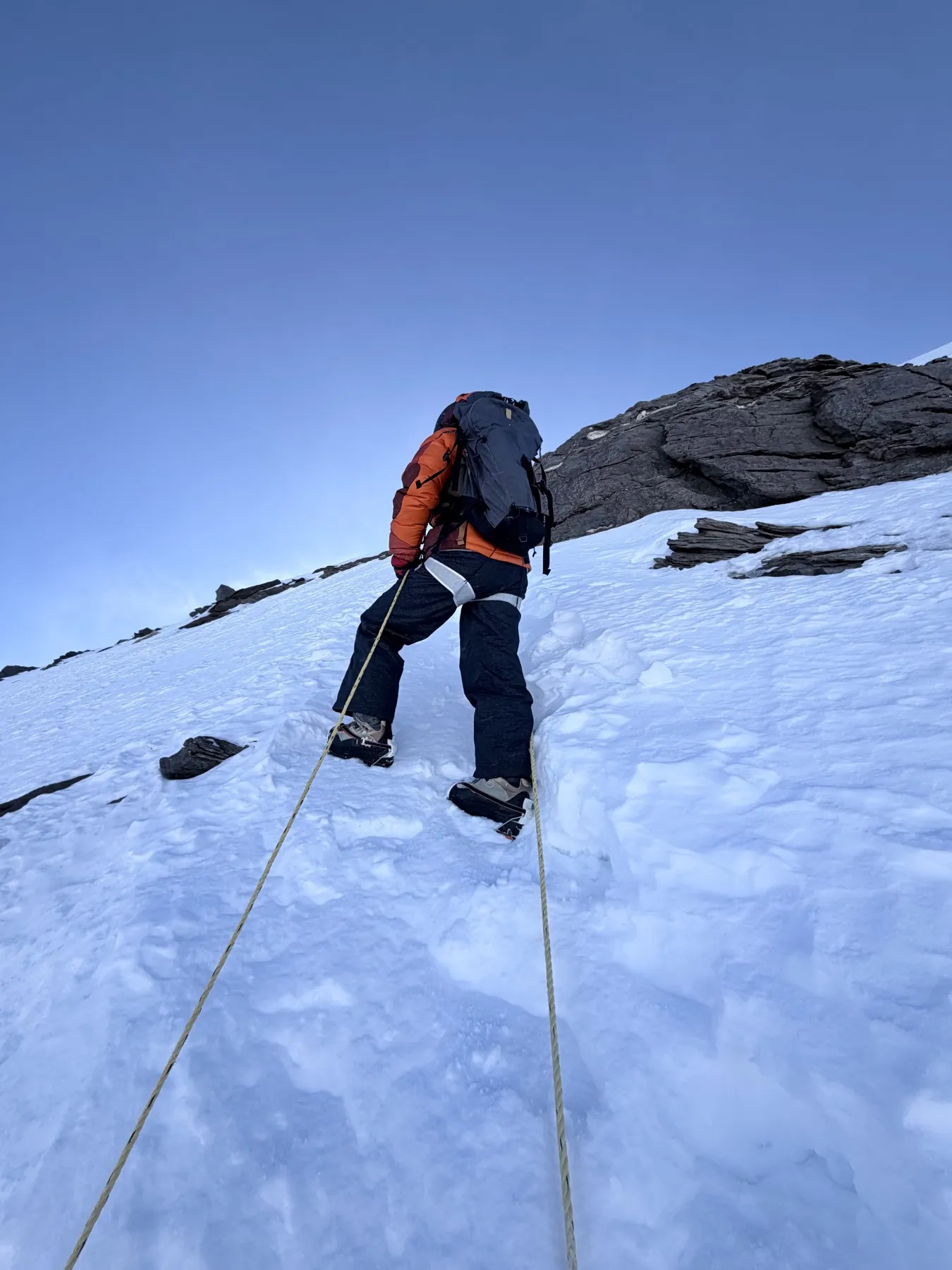
Fixed-rope climbing
Climbers may need to ascend and descend steep sections using fixed ropes, harnesses, jumars and other technical equipment.
Extreme weather
High winds, snowfall, poor visibility and changing mountain conditions can affect the climbing schedule and summit opportunities.
Summit push
The final ascent requires excellent stamina, careful pacing and the ability to perform in extreme-altitude conditions.
Mt Nun should not be treated as a beginner-friendly trekking objective. Previous technical mountaineering and high-altitude experience are strongly recommended.
5. Best Time to Climb Mt Nun in 2027
The main climbing season for Mount Nun is during the summer and early autumn months.
White Expedition plans its 2027 programme during the July–September climbing period. The same window applies to Mt Kun, whose 2027 departures start on 15 July and 12 August.
Ladakh’s geographical position in the rain-shadow region of the Himalayas gives it different weather conditions from many other Himalayan destinations affected by the Indian monsoon.
However, mountain weather remains unpredictable, particularly above 6,000 metres.
July
July is an important period for high-altitude expeditions in Ladakh. Climbers benefit from the summer climbing window, although snow conditions and weather must be monitored carefully.
August
August can provide another suitable climbing window, depending on snowfall, wind conditions and the condition of the upper mountain.
September
September offers an opportunity for late-season climbing. Colder temperatures and changing weather conditions require careful planning.
The final summit opportunity always depends on actual weather, snow conditions, route safety and the health of the expedition team.
For confirmed 2027 departure dates, check the official Mt Nun expedition page.
6. Mt Nun Climbing Route – From Base Camp to Summit
The Mount Nun climbing expedition involves a gradual approach through the Suru Valley, followed by the establishment of multiple high-altitude camps.
The expedition begins with acclimatization and preparation before entering the main climbing phase.
Tangol Village to Base Camp
Tangol village serves as the approach point for the expedition.
From Tangol, the team begins the approach towards Mount Nun Base Camp, carrying essential personal and group equipment with the support of the expedition logistics team.
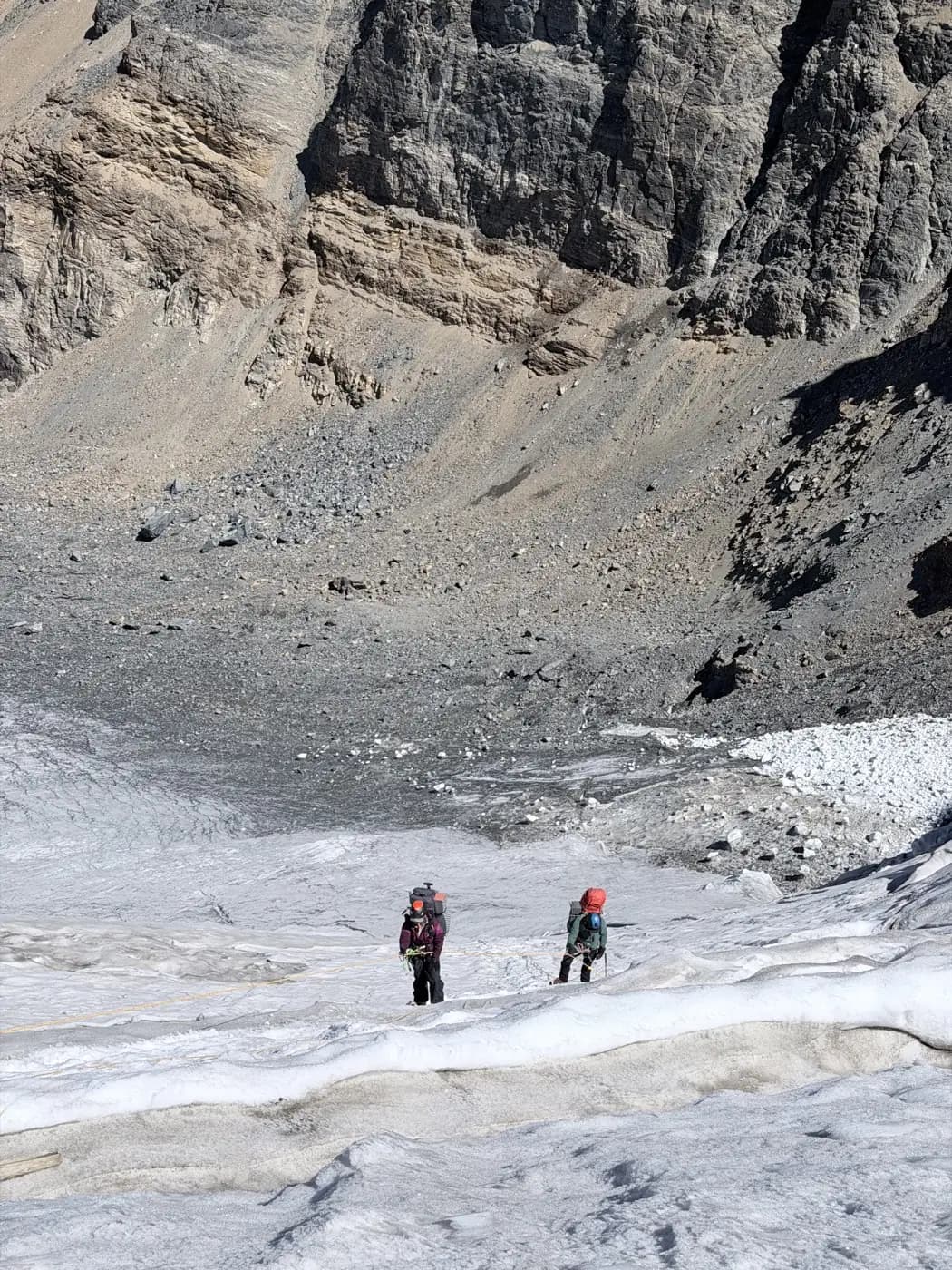
Base Camp – Approximately 4,500m
Base Camp serves as the main operational centre during the climbing phase.
Here, climbers complete technical training, equipment checks, route preparation and acclimatization activities.
The team also reviews weather conditions and prepares for movement towards the higher camps.
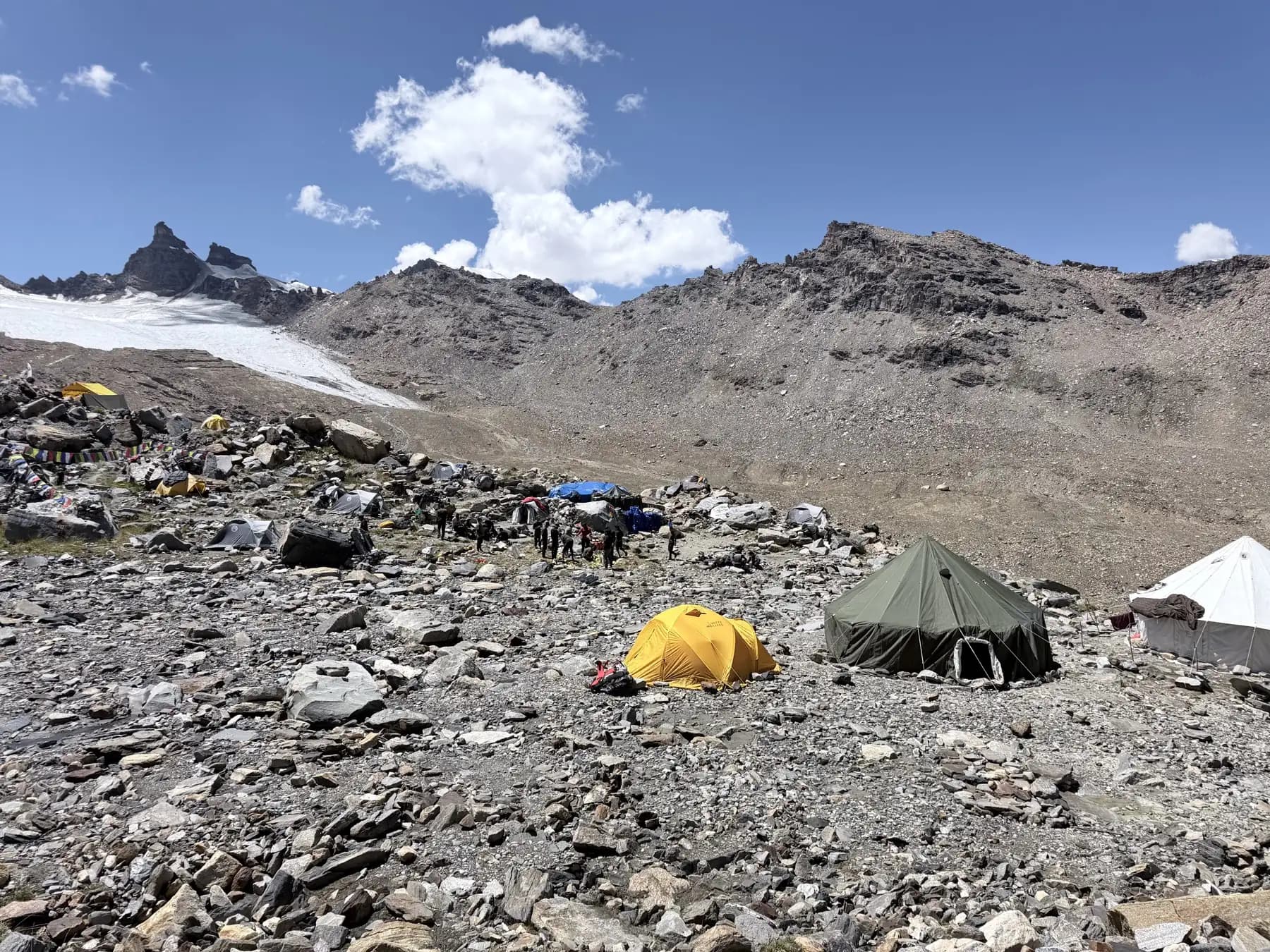
Camp 1 – Approximately 5,500m
Camp 1 is the first major high-altitude camp on the climbing route.
Climbers move towards this camp following the established climbing route and fixed-rope arrangements where required.
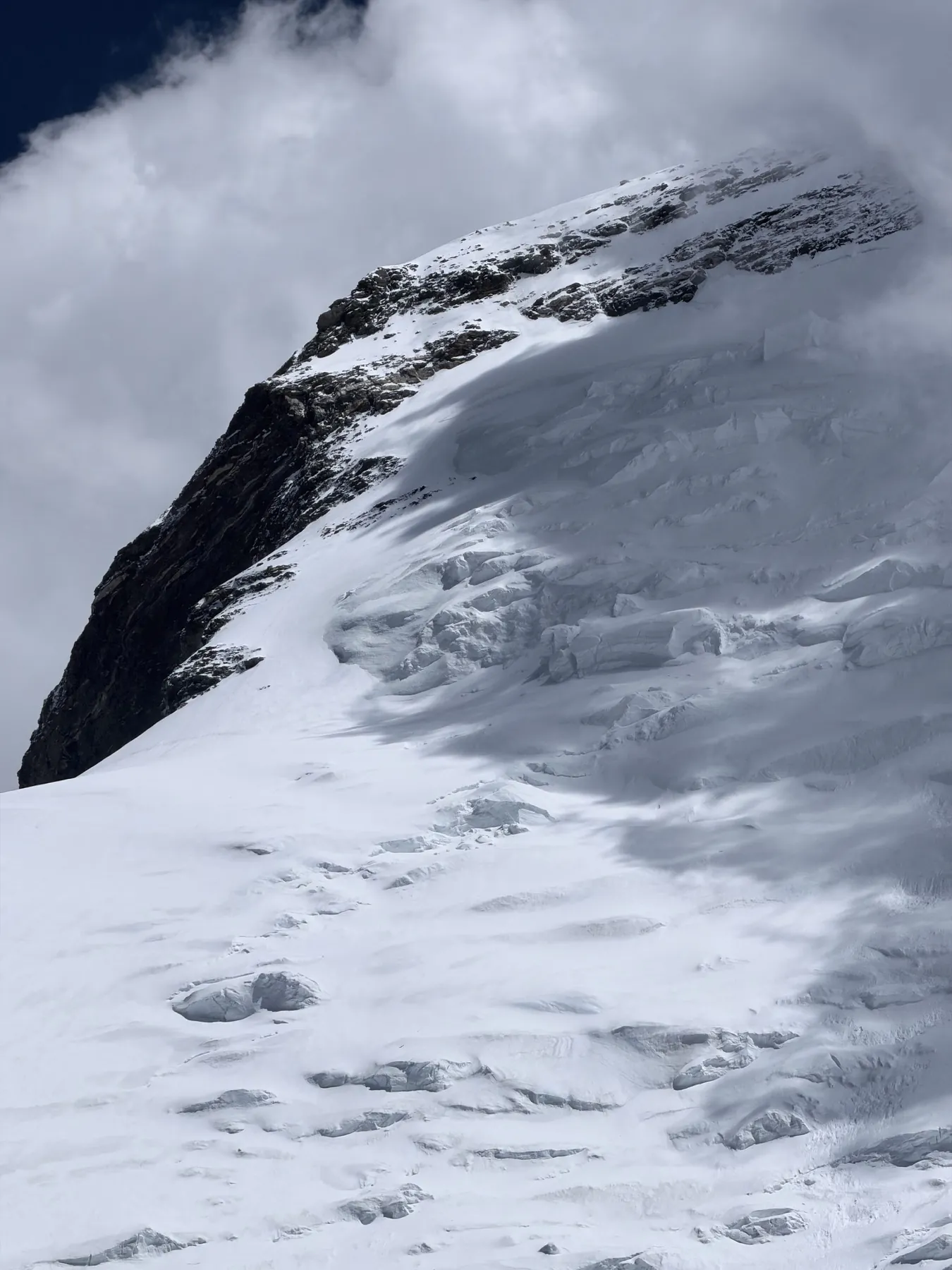
Camp 2
Camp 2 is established higher on the mountain, depending on route conditions and the expedition’s final climbing plan.
The terrain becomes increasingly demanding as climbers move into the higher sections.
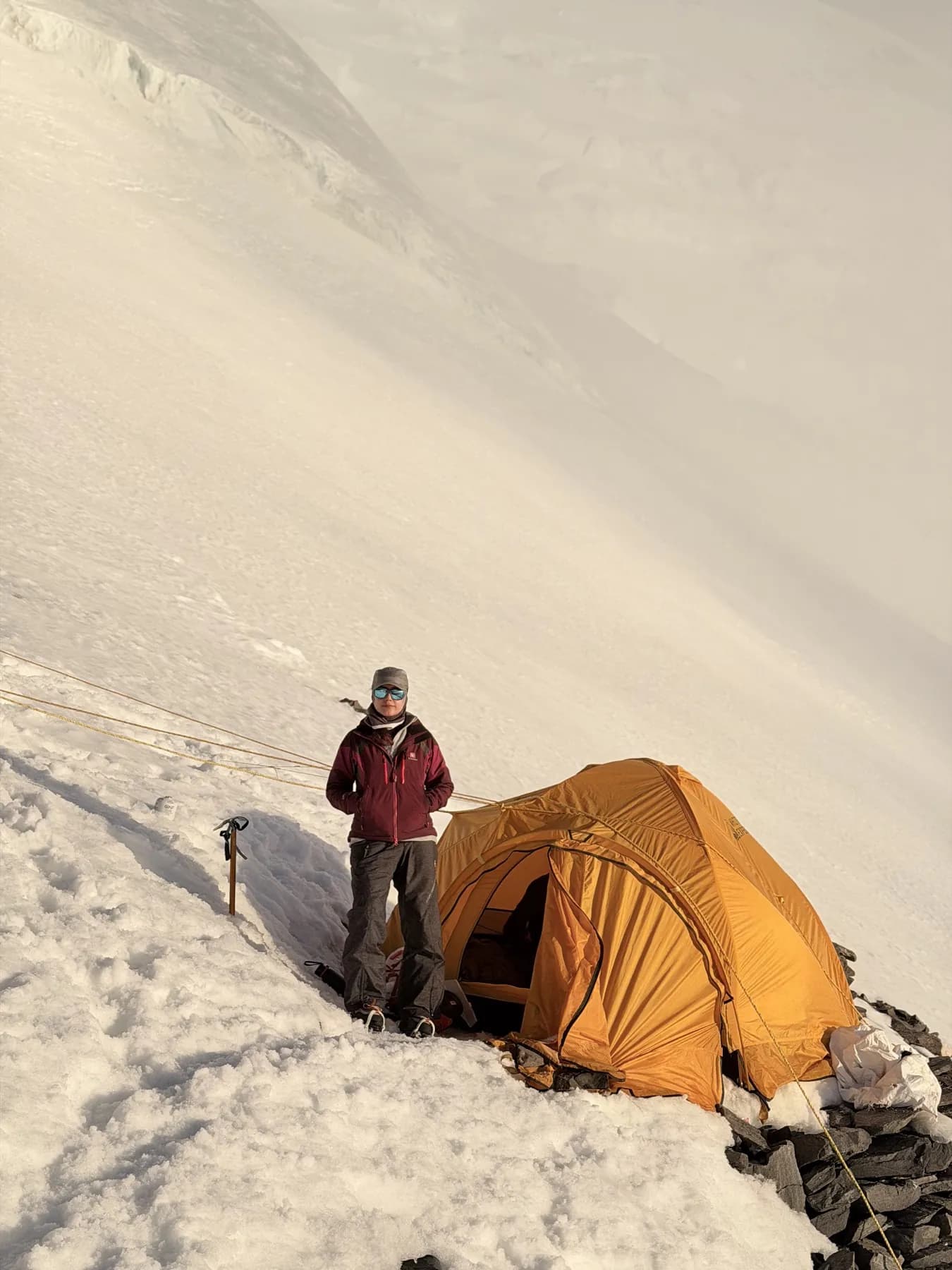
Summit Camp – Approximately 6,400m
Summit Camp is the final high-altitude camp before the summit attempt.
Climbers prepare for the summit push while carefully monitoring their physical condition, weather forecasts and route safety.
Mt Nun Summit – 7,135m
The final objective is the summit of Mount Nun at 7,135 metres.
The summit attempt requires careful timing, technical climbing ability and sustained physical effort.
The expedition leader makes the final decision based on weather, route conditions, team health and overall safety.
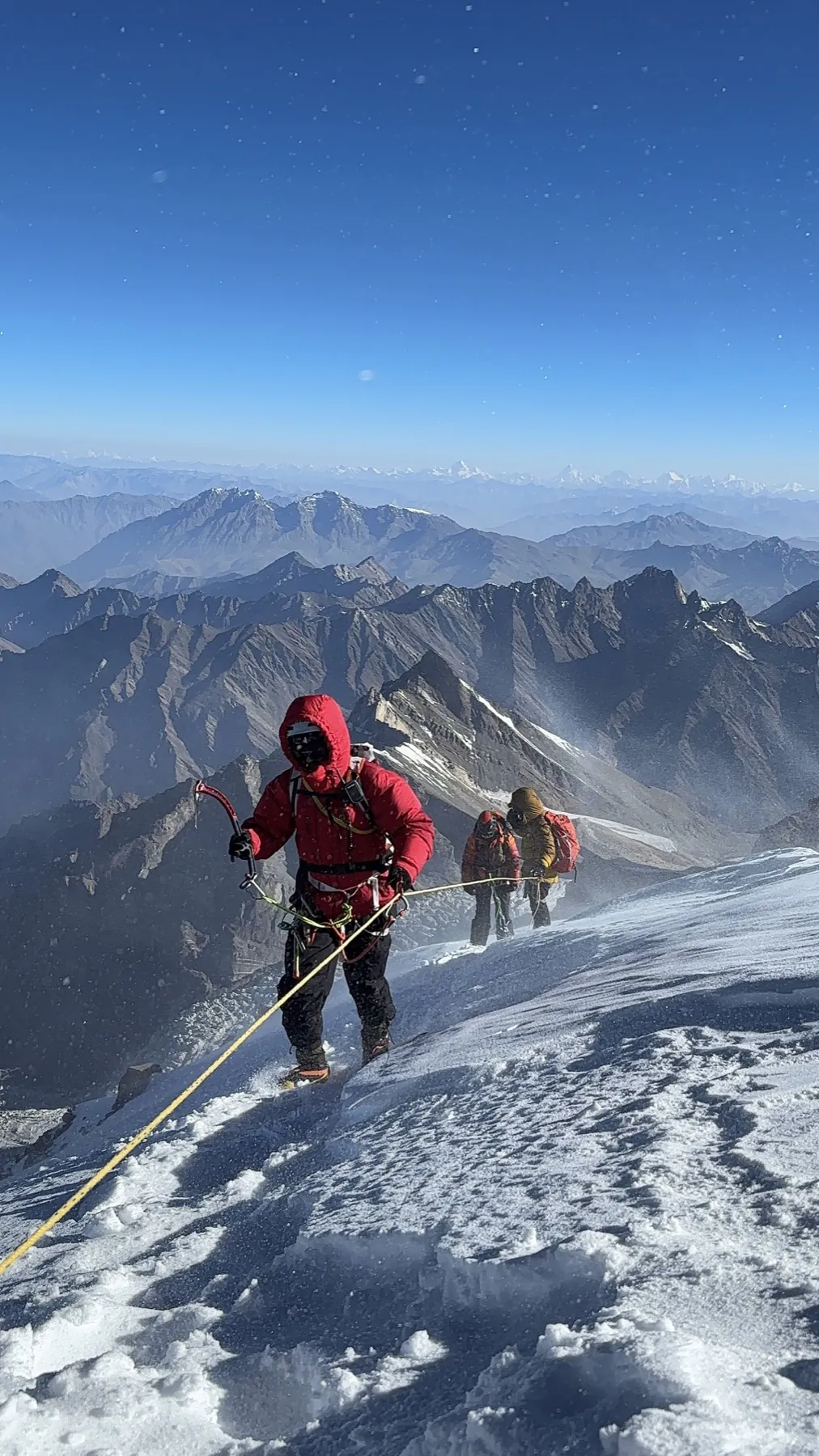
Note: Camp locations and altitudes can change depending on snow conditions, route accessibility and the actual expedition plan.
7. Mt Nun Expedition Itinerary – 25 Days
White Expedition’s Mt Nun programme is designed around gradual acclimatization, technical preparation and a structured climbing schedule.
The expedition includes time in Delhi, Leh and Korzok before entering the Suru Valley.
A 6,000m-class acclimatization climb is included before the main Mt Nun climbing phase.
Day 1 – Arrival in Delhi
Arrival in Delhi, hotel check-in and team introduction.
Day 2 – IMF Formalities and Preparation
Complete required expedition formalities, equipment checks and final preparations.
Day 3 – Delhi to Leh
Flight to Leh, located at approximately 3,500 metres. Rest and initial acclimatization.
Day 4 – Acclimatization in Leh
Rest and gradual acclimatization.
Day 5 – Acclimatization Hike
A short acclimatization hike around Leh.
Day 6 – Leh to Korzok
Drive towards Korzok, located at approximately 4,500 metres.
Day 7 – Acclimatization at Korzok
Acclimatization hike and preparation for the higher-altitude climb.
Day 8 – 6,000m-Class Acclimatization Peak
Attempt the planned acclimatization peak, subject to weather, conditions and team readiness.
Day 9 – Return and Preparation in Leh
Return towards Leh, rest and prepare for the main expedition.
Day 10 – Leh to Tangol
Drive towards Tangol village in the Suru Valley.
Day 11 – Preparation at Tangol
Rest, short acclimatization hike and equipment preparation.
Day 12 – Tangol to Mt Nun Base Camp
Trek towards Mount Nun Base Camp.
Day 13 – Technical Training at Base Camp
Technical training, acclimatization and preparation for the climbing phase.
Day 14 – Load Ferry to Camp 1
Carry essential equipment towards Camp 1 and return to Base Camp.
Day 15 – Rest at Base Camp
Rest, weather assessment and summit strategy discussion.
Day 16 – Base Camp to Camp 1
Move to Camp 1.
Day 17 – Camp 1 to Camp 2
Continue towards Camp 2, depending on route and snow conditions.
Day 18 – Camp 2 to Summit Camp
Move towards Summit Camp at approximately 6,400 metres.
Days 19–21 – Summit Window and Weather Buffer
The planned summit window, with flexibility for changing weather, route conditions and team readiness.
The summit attempt may take place during this period, depending on conditions.
Day 22 – Descent to Base Camp
Descend from the higher camps towards Base Camp.
Day 23 – Base Camp to Tangol
Return to Tangol village.
Day 24 – Tangol to Leh
Drive back to Leh.
Day 25 – Departure / Contingency
Final departure arrangements or contingency, depending on the operational schedule.
The itinerary is a planned schedule, not a guaranteed summit timetable. The expedition leader may adjust the programme according to conditions.
8. Acclimatization and Physical Preparation
Proper acclimatization is one of the most important factors in any expedition above 7,000 metres.
Climbing too quickly to higher elevations increases the risk of altitude-related illnesses and can seriously affect a climber’s performance.
White Expedition’s 2027 Mt Nun programme includes a gradual altitude progression through Leh and Korzok, followed by a 6,000m-class acclimatization climb before the main mountain phase.
Physical preparation
Climbers should begin preparing several months before the expedition.
Recommended training includes:
- Long-distance hiking with a backpack.
- Uphill endurance training.
- Cardiovascular conditioning.
- Strength training for legs and core.
- Stair climbing and uphill walking.
- Training with expedition footwear and personal equipment.
Technical preparation
Participants should be comfortable with:
- Crampon techniques.
- Ice axe use.
- Glacier travel.
- Rope management.
- Jumar ascent.
- Fixed-rope climbing.
- Safe movement on snow and ice.
Previous high-altitude mountaineering experience is strongly recommended.
9. Equipment Required for Mt Nun Expedition
A 7,000-metre expedition requires specialised mountaineering equipment designed for extreme cold, snow, ice and high-altitude conditions.
Personal clothing
- High-altitude down jacket.
- Down trousers.
- Thermal base layers.
- Fleece or insulated mid-layer.
- Waterproof and windproof outer shell.
- Mountaineering gloves and mittens.
- Warm socks.
- Balaclava and warm hat.
- UV-protection sunglasses.
- High-altitude mountaineering boots.
Technical equipment
- Mountaineering harness.
- Crampons.
- Ice axe.
- Helmet.
- Jumar or ascender.
- Locking carabiners.
- Safety slings.
- Appropriate climbing hardware.
Personal essentials
- Sleeping bag suitable for extreme cold.
- Headlamp with spare batteries.
- Trekking poles.
- Water bottles or insulated flask.
- Sunscreen and lip protection.
- Personal first-aid supplies.
- High-altitude backpack.
- Personal toiletries.
White Expedition provides the technical and group equipment specified in its expedition inclusions. Participants should confirm the final personal equipment list before departure.
10. How to Reach Mt Nun – Travel Guide for International Climbers
For international mountaineers, the journey to Mount Nun generally begins in Delhi, India.
International Arrival in Delhi
International participants arrive at Indira Gandhi International Airport in Delhi.
White Expedition’s programme begins with team introductions, expedition preparation and required formalities.
Delhi to Leh
The next stage is a domestic flight from Delhi to Leh.
Leh is situated at approximately 3,500 metres, making gradual acclimatization essential after arrival.
Leh to Tangol
After the planned acclimatization programme, the team travels by road towards Tangol village in the Suru Valley.
The journey passes through the dramatic landscapes of Ladakh before reaching the approach point for Mount Nun.
Tangol to Base Camp
From Tangol, the team begins the approach trek towards Mount Nun Base Camp.
The expedition logistics team coordinates the movement of equipment, supplies and climbing support.
International participants should plan their international flights with sufficient flexibility and confirm all arrival and departure arrangements with White Expedition before booking.
11. Who Should Attempt Mt Nun?
Mount Nun is an advanced mountaineering objective and is not suitable for ordinary trekking experience alone.
The expedition is intended for climbers who have developed the physical fitness, technical skills and high-altitude experience necessary for a demanding Himalayan climb.
Ideal participants should have:
- Previous high-altitude mountaineering experience.
- Experience climbing above 6,000 metres, preferably.
- Knowledge of crampon and ice axe techniques.
- Experience with fixed-rope climbing and Jumar systems.
- Glacier travel experience.
- Strong cardiovascular endurance.
- The ability to operate in cold and remote mountain environments.
Every applicant should provide an honest account of their climbing history and physical preparation.
White Expedition may review previous expedition experience and fitness before confirming participation.
Mt Nun vs Mt Kun: Which 7,000m Peak Should You Choose?
Mt Nun and Mt Kun are the two 7,000m summits of the Nun-Kun massif, and many climbers weigh one against the other. Here is how White Expedition’s 2027 programmes compare.
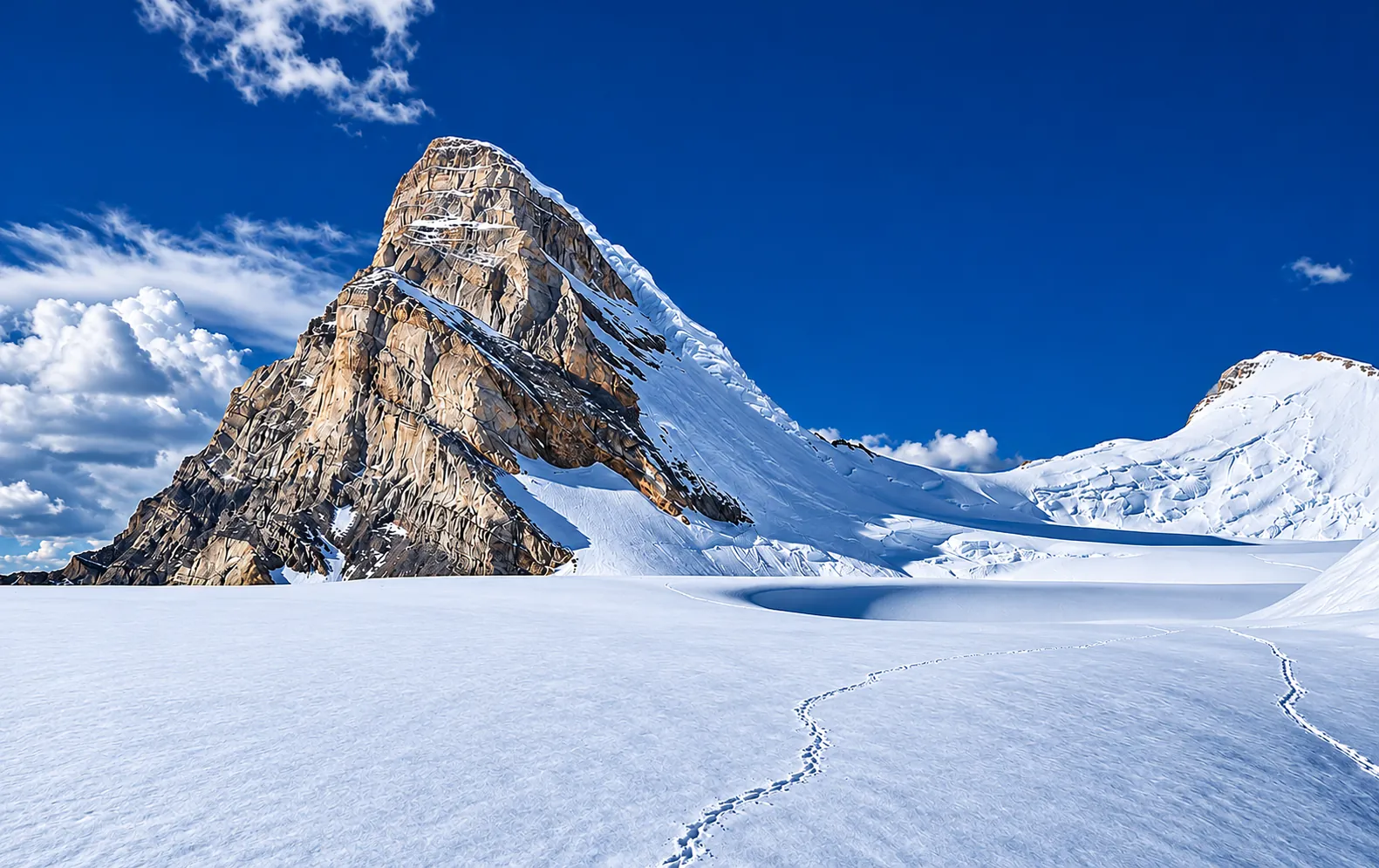
- Altitude: Mt Nun 7,135m; Mt Kun 7,077m.
- Approach: Mt Nun from Tangol in the Suru Valley; Mt Kun through Shafat Nala.
- Base Camp: Mt Nun about 4,500m; Mt Kun about 4,300m.
- Summit Camp: Mt Nun about 6,400m; Mt Kun about 6,300m.
- Duration: Both about 25 days, each with a 6,000m acclimatization climb.
- Weather buffer: Mt Nun three days; Mt Kun two days.
- Terrain: Both involve glacier travel, fixed ropes, and snow and ice climbing.
- 2027 departures: Mt Nun from 5 July, 15 July, 5 August and 15 August; Mt Kun from 15 July and 12 August.
- Published price: The same for both: ₹3,50,000 or US$5,500 per person, with 5% GST.
Choose Mt Nun if you want the highest summit of the massif and more departure dates. Choose Mt Kun if you prefer the Shafat Nala approach and its slightly lower summit. Both need the same experience above 6,000m.
For a deeper look at the two peaks, read Mt Nun vs Kun Peak – which 7,000m peak is better to climb, or open the Mt Kun expedition page.
12. Permits and Documentation for Mt Nun Expedition
Mountaineering expeditions in India require appropriate permissions and compliance with applicable government and mountaineering regulations.
For international climbers, advance planning is especially important.
Depending on nationality and applicable regulations, participants may need:
- A valid passport.
- Appropriate Indian visa.
- Required expedition permits and approvals.
- Travel and mountaineering insurance.
- Emergency contact details.
- Medical and fitness information.
- Required expedition documentation.
White Expedition coordinates the required expedition-related formalities for its guided programme.
Participants should provide accurate personal information and documentation well in advance to avoid last-minute delays.
13. Safety and Expedition Support
Climbing Mount Nun involves operating in a remote, high-altitude environment where weather changes, difficult terrain and altitude-related risks must be taken seriously.
A professionally managed expedition requires proper preparation, experienced leadership and appropriate safety arrangements.
White Expedition’s 2027 programme is planned with the following support systems:
- Maximum eight participants.
- 1:1 certified guide-to-participant ratio.
- Certified mountain guides.
- Sherpa support for fixed-rope installation.
- Backup medical oxygen up to Summit Camp.
- Satellite phone and walkie-talkie communication.
- Planned acclimatization programme.
- Three weather buffer days.
- High-altitude camp and climbing support.
The summit attempt is always conditional. No summit can be guaranteed, and the expedition leader may stop or modify the climb whenever conditions require it.
Participants must also carry appropriate high-altitude insurance covering mountaineering activities and emergency evacuation.
These arrangements support expedition safety but do not eliminate the inherent risks of high-altitude mountaineering.
14. How Much Does the Mt Nun Expedition Cost in 2027?
The cost of a Mount Nun expedition depends on several factors, including expedition duration, permits, transportation, accommodation, climbing equipment, high-altitude staff, camp logistics and safety arrangements.
White Expedition’s published 2027 expedition price is:
₹3,50,000 per person / US$5,500 per person.
The website also lists 5% GST. The final tax treatment and payable amount should be confirmed in the official quotation. The published 2027 price for Mt Kun is the same.
The programme is approximately 25 days and includes the planned acclimatization phase, mountain logistics and climbing support described in the official expedition itinerary.
For international participants, the final payment amount, applicable taxes, payment method and currency arrangements should be confirmed directly with White Expedition.
For complete inclusions, exclusions, booking terms and current departure information, visit the official expedition page, or read the Mt Nun expedition cost guide.
Explore the official Mt Nun Expedition 2027: Mt Nun expedition page
15. Mt Nun 2026 – A First-Hand Expedition Experience
Mountaineering experience is built through time on the mountain, understanding the terrain and making responsible decisions in difficult conditions.
In August 2026, the White Expedition team successfully climbed Mount Nun (7,135m) in Ladakh.
Led by Ricky Mountaineer, the team completed a fast-ascent journey from Tangol to the summit and back to Tangol in five days.
The summit was reached at approximately 9:30 AM on 29 August 2026.

During the climb, the team travelled from Base Camp towards Camp 2, bypassing Camp 1 as part of its particular fast-ascent strategy. The upper mountain involved snow, ice, rock and mixed climbing terrain.
The expedition provided valuable first-hand experience of Mount Nun’s climbing environment, upper mountain terrain and the demands of operating above 7,000 metres.
For White Expedition, this experience is an important part of the knowledge and preparation brought into the 2027 programme.
Read the complete expedition report: Mount Nun 2026 – 7,135m Fast Ascent | White Expedition
16. Why Choose White Expedition for Mt Nun 2027?
White Expedition is a Himalayan mountaineering company specialising in high-altitude climbing expeditions across the Indian Himalayas.
Founded by mountaineer Rahul Thakur, professionally known as Ricky Mountaineer, White Expedition focuses on professionally managed mountaineering journeys with an emphasis on safety, technical preparation and small expedition teams.
One of the important advantages of choosing an expedition operator is first-hand knowledge of the mountain and its climbing environment.
First-hand Mt Nun experience
Rahul Thakur successfully summited Mount Nun (7,135m) in August 2026.
His experience on the mountain provides valuable familiarity with its terrain, high-altitude challenges and climbing demands.
Experienced Himalayan leadership
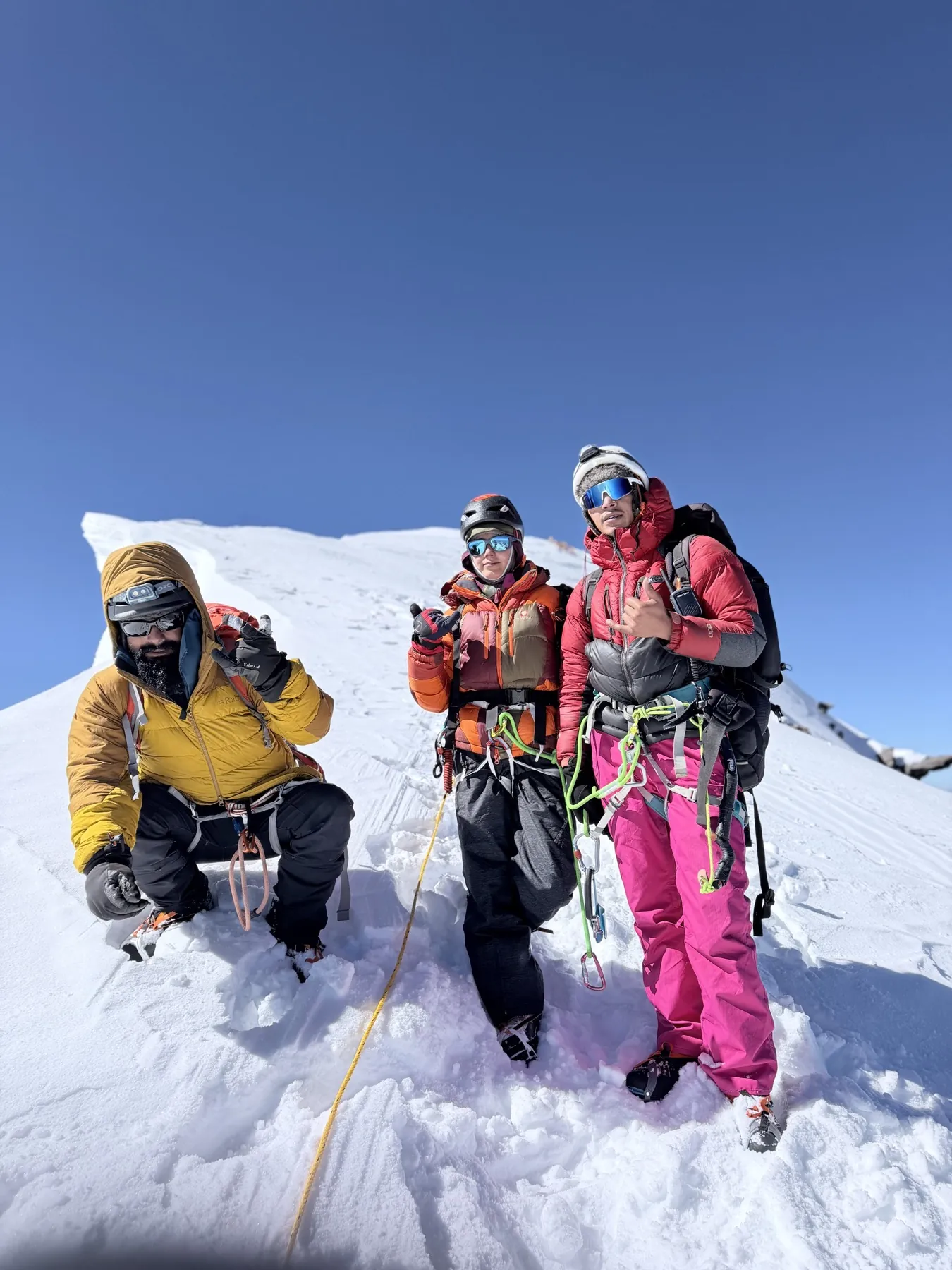
White Expedition focuses on mountain-specific preparation, experienced guides and structured expedition management.
Small expedition groups
A maximum of eight participants allows for a focused climbing team and individual attention.
1:1 guide-to-participant ratio
The 2027 programme is planned with one certified guide per participant.
Complete expedition management
From initial preparation and acclimatization to Base Camp operations and high-altitude climbing support, the programme is designed to manage the major logistical requirements of the expedition.
Our objective is not simply to organise a trip to a high mountain, but to provide a professionally managed mountaineering experience in the Indian Himalayas.
17. Frequently Asked Questions – Mt Nun Expedition 2027
Q1. How high is Mount Nun?
Mount Nun stands at 7,135 metres (23,409 feet) above sea level and is located in the Suru Valley of Ladakh, India.
Q2. Where is Mt Nun located in India?
Mt Nun is located in the Kargil district of Ladakh, in the western Himalayas, overlooking the Suru Valley.
Q3. When is the best time to climb Mt Nun in 2027?
White Expedition plans its 2027 Mt Nun programme during the July to September climbing period. Actual summit opportunities depend on weather and mountain conditions.
Q4. How many days are required for the Mt Nun expedition?
The White Expedition programme is approximately 25 days, including acclimatization, the climbing phase and weather buffer days.
Q5. Is Mt Nun suitable for beginners?
No. Mt Nun is an advanced high-altitude mountaineering objective. Previous technical climbing experience, glacier travel skills and high-altitude experience are strongly recommended.
Q6. What technical skills are required for Mt Nun?
Climbers should be familiar with crampons, ice axe techniques, glacier travel, rope management, fixed-rope climbing and Jumar use.
Q7. What is the altitude of Mt Nun Base Camp?
White Expedition’s planned Base Camp altitude is approximately 4,500 metres. Actual camp positioning can vary according to operational and mountain conditions.
Q8. What is the Mt Nun Expedition cost in 2027?
The published White Expedition fee is ₹3,50,000 or US$5,500 per person, with 5% GST listed separately. Confirm the final payable amount with the expedition team.
Q9. Does White Expedition provide climbing guides?
Yes. The 2027 programme includes certified mountain guides and a planned 1:1 guide-to-participant ratio.
Q10. Is oxygen available during the expedition?
White Expedition’s programme includes backup medical oxygen up to Summit Camp. Oxygen availability is a safety provision and should not be considered a substitute for proper acclimatization.
Q11. Do I need previous 6,000-metre climbing experience?
Previous high-altitude experience is strongly recommended. Applicants should have appropriate technical mountaineering skills and demonstrate the fitness required for an advanced 7,000-metre expedition.
Q12. How can I reach Mt Nun from outside India?
International climbers generally fly into Delhi, take a domestic flight to Leh and continue by road towards Tangol village in the Suru Valley.
Q13. How can I book the Mt Nun Expedition 2027?
You can contact White Expedition directly through its official website to enquire about departure availability, eligibility, pricing and booking procedures.
Q14. Is Mt Nun harder than Mt Kun?
Both are advanced 7,000m climbs with glacier travel, fixed ropes, and snow and ice terrain. Mt Nun is 58 metres higher and its Summit Camp sits about 100 metres higher. Compare them in Mt Nun vs Kun Peak or on the Mt Kun expedition page.
18. Plan Your Mt Nun Expedition in 2027 with White Expedition
Mount Nun is more than a 7,000-metre summit. It is a demanding Himalayan climbing objective that requires preparation, technical ability, endurance and respect for the mountain.
For climbers looking to experience high-altitude mountaineering in India, the 2027 season offers an opportunity to take on this remarkable Himalayan peak with a professionally managed expedition.
If you are planning to climb Mt Nun in 2027, start preparing early, assess your mountaineering experience and choose an expedition team that understands the demands of climbing above 7,000 metres.
Ready to take on Mt Nun (7,135m) in 2027?
Join White Expedition for a guided Mount Nun expedition in Ladakh, India.
Explore the complete itinerary, departure information, expedition inclusions and booking details.
Explore Mt Nun Expedition 2027: Mt Nun expedition page. Weighing up the neighbouring peak? See the Mt Kun Expedition 2027.
Follow @white.expedition on Instagram.