Booking Guide
Papsura Peak. Plan your expedition.
Book your Papsura Peak expedition with White Expedition. Get route details, difficulty, ideal season, cost range, training requirements, and safety-focused planning for this technical 6451m climb.
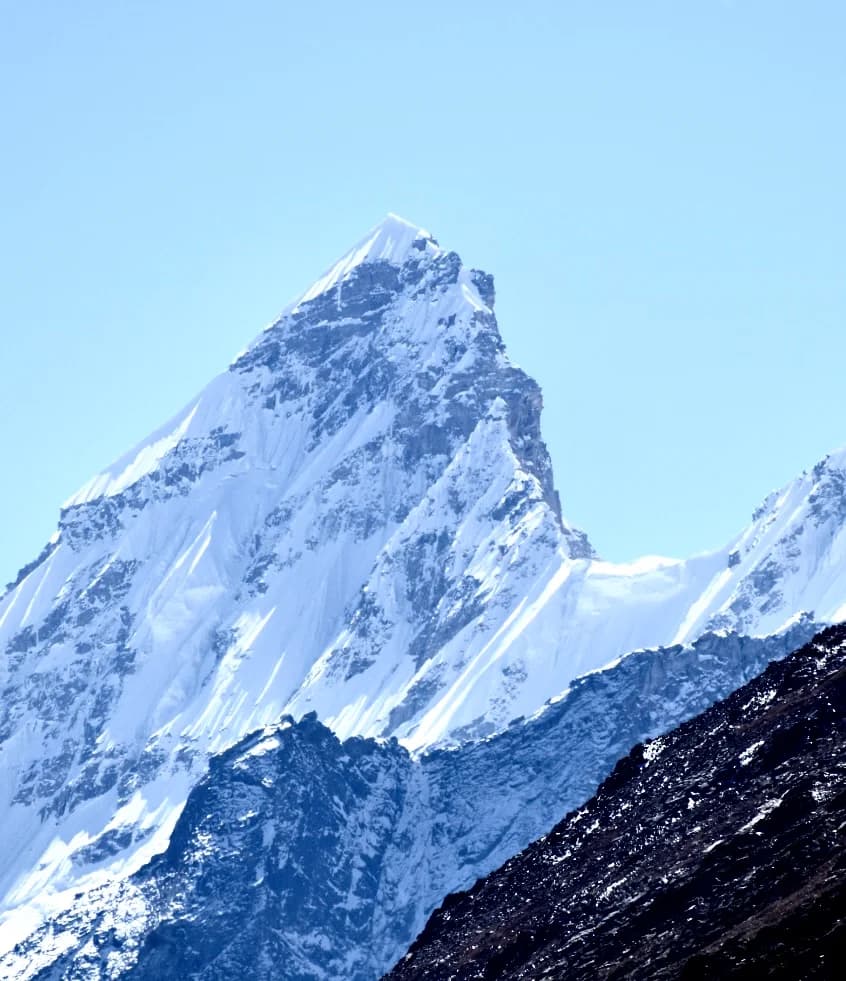
Papsura Peak – India’s Most Technical 6000m Mountain
Papsura Peak (6,451m), known as the “Peak of Evil,” is one of the most dangerous and technical climbs in the Indian Himalayas. Located in the remote Spiti-Lahaul region of Himachal Pradesh, this mountain is for serious mountaineers — not beginners.
If you are searching for Papsura expedition booking, Papsura climb cost, or a professional Peak of Evil team in India, this guide is for you.
Why Papsura Is Called the Peak of Evil
Papsura has this reputation because of:
- Highly unstable snow conditions
- Frequent avalanches
- Technical ice walls (up to ~80°, conditions dependent)
- Dangerous summit ridge exposure
- Extreme and fast weather shifts
Many climbers consider Papsura harder than several higher-altitude peaks.
Papsura Peak Location & Route Details
- Region: Spiti Valley sector
- State: Himachal Pradesh
- Glacier system: Bara Shigri region
- Access: Manali → Batal → Base Camp approach
Typical Camp Structure
- Base Camp (~4,500m)
- Advanced Base Camp (~5,000m)
- Camp 1 (~5,500m)
- Camp 2 (~6,000m)
- Summit attempt (6,451m)
The route includes glacier travel, crevasse management, and steep ice climbing.
Papsura Peak Difficulty Level
- Grade: Extremely technical
- Climbing type: Ice + mixed terrain
- Experience required: Advanced
Key Challenges
- Long summit push (often 10–14 hours)
- Fixed-rope sections
- Exposed ridge movement
- Heavy load carrying at altitude
Not recommended for first-time climbers.
Best Time for Papsura Expedition
- June to early July (pre-monsoon)
- September (post-monsoon window)
July–August is typically avoided due to elevated avalanche and instability risk.
Papsura Peak Expedition Cost
With White Expedition (professional technical setup):
- Approx. ₹2.5L to ₹4L (based on batch/logistics style)
Typical Inclusions
- Permits
- Technical climbing systems (ropes, anchors)
- High-altitude camp logistics
- Professional guide and support team
- Expedition food and movement logistics
- Safety equipment and protocols
Why White Expedition for Papsura
Technical peaks require technical professionals.
White Expedition stands out through:
- Leadership by Rahul Thakur (Ricky Mountaineer)
- Experience on technical 6000m–7000m expeditions
- Strong safety and training-first systems
- Professional rope strategy and route management
- Structured expedition planning and execution
White Expedition operates as a mountaineering team — not a standard trekking operator.
Join White Expedition – Booking Information
If you are preparing for Papsura, avoid under-supported teams for a high-consequence objective.
What You Get
- Pre-expedition training guidance
- Acclimatization strategy support
- Technical climbing oversight
- Professional rope fixing support
- Safety-first summit planning
Limited slots are typically available each season.
Papsura Training & Preparation
Physical Training
- Running (5–10 km baseline progression)
- Weighted stair/hill training (15–20 kg progression blocks)
- Strength training (legs, posterior chain, core)
Technical Preparation
- Crampon and ice-axe movement
- Rope handling systems
- Crevasse response fundamentals
Risks on Papsura Peak
Papsura carries significant objective risk:
- Avalanches
- Icefall and loose terrain hazards
- Hidden crevasses
- Altitude illness risk
This is why professional expedition systems are essential.
Who Should Attempt Papsura?
- Climbers with prior 6000m+ technical exposure
- Mountaineers with training in glacier/rope systems
- Athletes seeking an extreme alpine challenge
Not suitable for beginners or trekking-only experience.
Final Words – Conquer the Peak of Evil
Papsura is a true test of technical skill, stamina, and judgment. Very few climbers attempt it, and fewer summit safely.
If you are ready for the challenge, White Expedition provides the professional framework required for a serious, safety-led ascent.