Beginner-Friendly 6000m Peaks to Start Your High-Altitude Mountaineering Journey
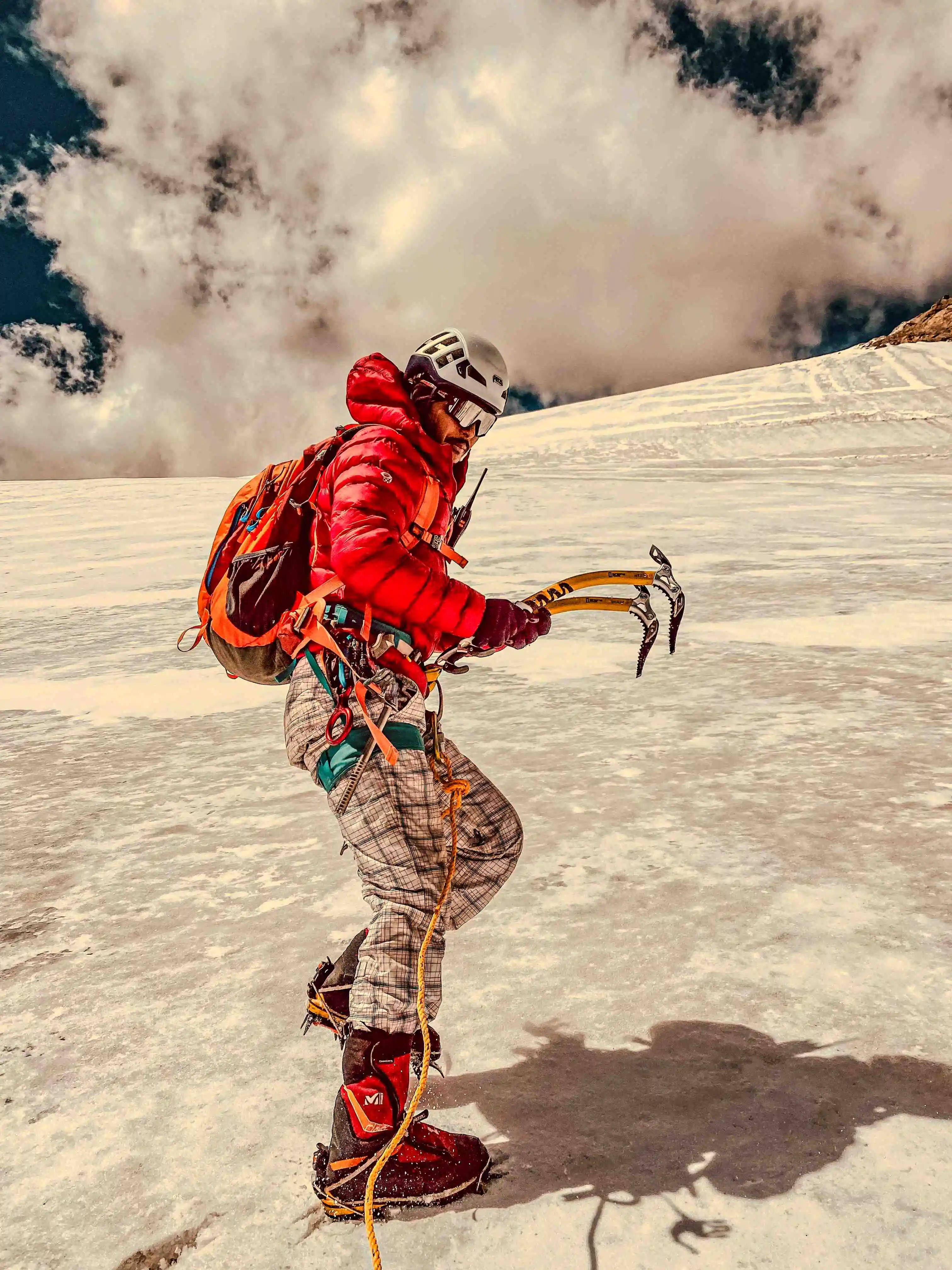
Scaling a 6000m peak is a dream for many aspiring mountaineers. These peaks, though often labeled as “non-technical,” demand immense physical fitness, mental strength, and endurance to battle steep ascents, thin air, and biting cold temperatures. If you're looking to start your 6000m journey, here are three beginner-friendly peaks in India that provide the perfect introduction to high-altitude climbing.
1. Mt. Yunam (6111m) – Lahaul Valley, Himachal Pradesh
- Difficulty: Moderate
- Best Time to Climb: June to September
- Duration: 7 to 9 days
Nestled in the Lahaul Valley of Himachal Pradesh, Mt. Yunam stands tall at 6111 meters, making it a great starting point for beginners aiming to summit their first 6000m peak. What sets Mt. Yunam apart is its non-technical nature, meaning no technical climbing equipment or advanced skills are required. However, don't be fooled—this peak tests your stamina, grit, and ability to withstand high-altitude conditions.
The trek begins from Bhartpur tent colony 4800m , located along the famous Manali-Leh highway. The trail takes you through rugged, barren landscapes with mesmerizing views of the surrounding peaks. The climb to the summit involves navigating loose scree, steep inclines, and freezing temperatures, especially during the final summit push. Reaching the top rewards you with breathtaking panoramic views of the Lahaul and Spiti Valleys.
For beginners, Mt. Yunam is an excellent opportunity to understand high-altitude trekking and climbing while building confidence in extreme conditions.
2. Ladakh UT Kangri (6070m) – Ladakh
- Difficulty: Moderate
- Best Time to Climb: June to September
- Duration: 7 days
Ladakh UT Kangri, standing at 6070 meters, offers a thrilling introduction to the world of 6000m peaks. Located in the serene landscapes of Ladakh, this peak is ideal for those looking to test their endurance over a week-long expedition.
The journey begins in Leh, where a few days of acclimatization are crucial to prepare your body for the altitude. The trail to the base camp is an adventure in itself, taking you through pristine valleys, shimmering streams, and high-altitude meadows. The summit push is where the real challenge lies—a long, exhausting climb that demands excellent physical and mental preparation.
From the top, you'll witness an awe-inspiring 360-degree view of Ladakh's dramatic landscapes, with snow-capped peaks and vast valleys stretching into the horizon. The sense of accomplishment upon summiting Ladakh UT Kangri is unmatched, making it a perfect choice for beginners seeking an authentic high-altitude experience.
3. Mt. Kiager Ri (6100m) – Ladakh
- Difficulty: Moderate to Hard
- Best Time to Climb: June to September
- Duration: 5 to 6 days
If you're ready to push your limits, Mt. Kiager Ri at 6100 meters is an excellent challenge. Located in the breathtaking landscapes of Ladakh, this peak is non-technical but demands exceptional physical fitness due to its long and grueling summit push.
The trail to Kiager Ri takes you through stunning high-altitude terrain, including remote valleys and serene alpine lakes. The final ascent is where the real test begins—a relentless climb through rocky terrain and scree fields, combined with the harsh cold and thinning air. The climb requires determination and preparation, but the reward is worth every effort.
At the summit, you'll be greeted by unparalleled views of Ladakh's rugged wilderness, with towering peaks and endless skies. For those looking to build their stamina and mental resilience, Mt. Kiager Ri offers a truly rewarding experience.
Preparation Tips for Your First 6000m Summit:
- Train for Endurance: Focus on cardiovascular fitness, strength training, and hiking with a loaded backpack to build the stamina needed for long climbs.
- Acclimatize Properly: Spend adequate time at high altitudes before the climb to avoid altitude sickness.
- Pack Smart: Invest in quality gear, including insulated clothing, sturdy boots, and a reliable sleeping bag.
- Stay Hydrated: Dehydration is a common issue at high altitudes, so drink plenty of water throughout the expedition.
- Mental Preparation: High-altitude climbing is as much a mental challenge as a physical one. Stay positive and determined, even when the climb gets tough.
Conclusion
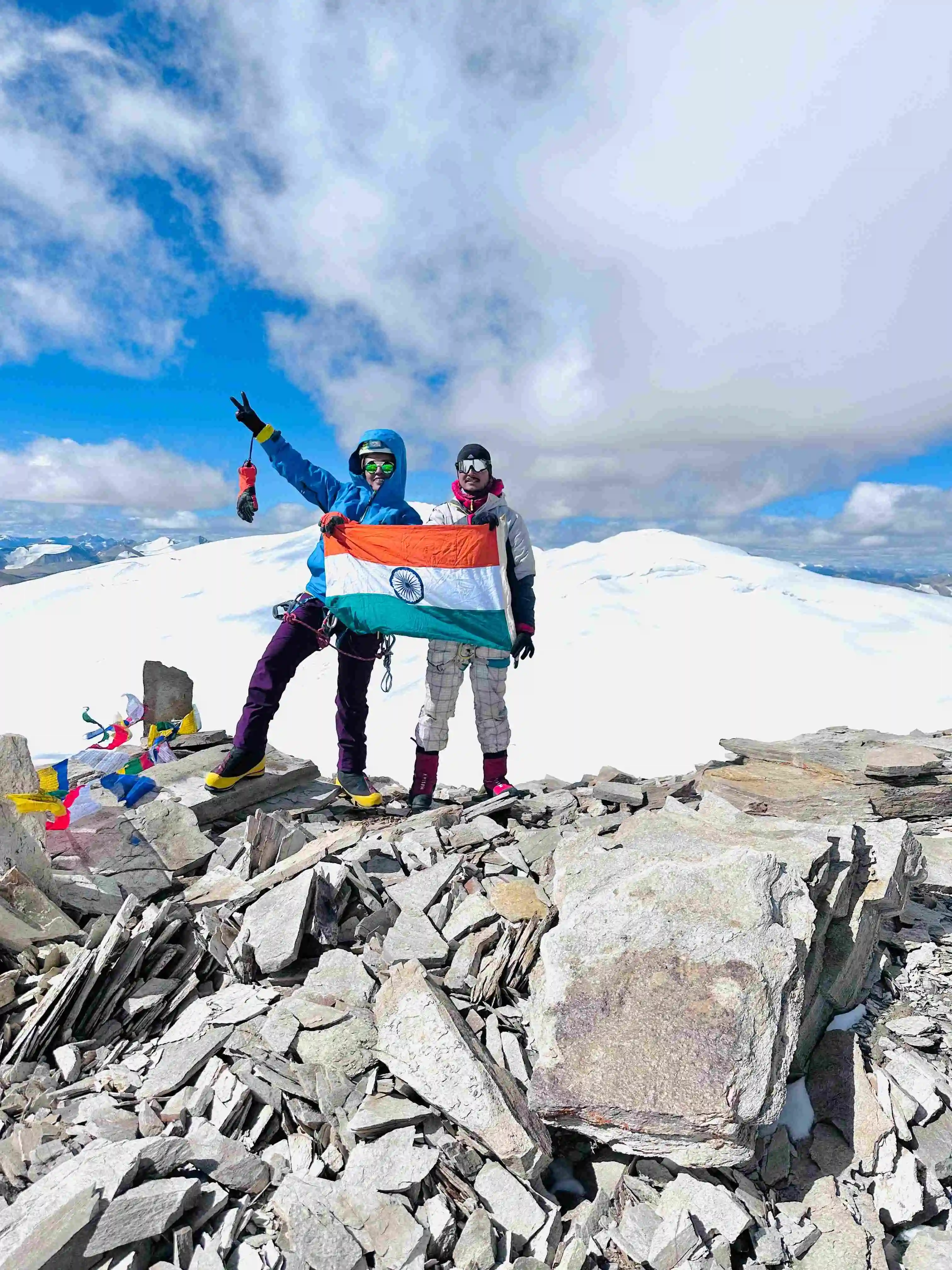
Conquering your first 6000m peak is a life-changing experience, offering not just stunning views but also a sense of immense accomplishment. Mt. Yunam, Ladakh UT Kangri, and Mt. Kiager Ri are ideal choices for beginners, each providing unique challenges and unforgettable memories. With proper preparation and the right mindset, these peaks can set the stage for your future high-altitude adventures.
So, pack your bags, lace up your boots, and embark on the journey of a lifetime!