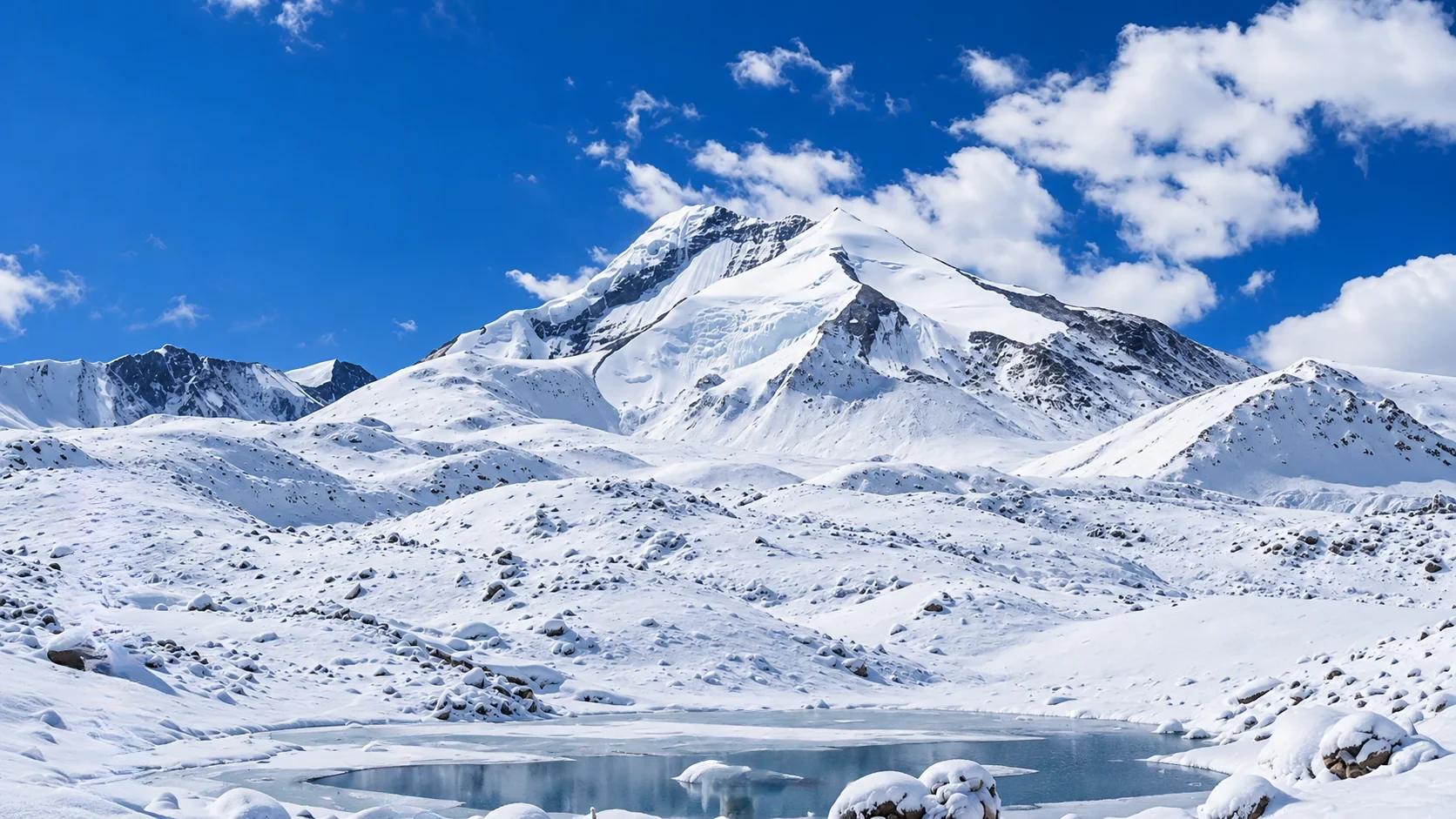
Winter Mountaineering Guide
What Mountains Can You Climb in Winter in India? 4 Incredible 6000m Himalayan Peaks
Four 6,000m winter mountaineering objectives in Ladakh — Kang Yatse II, UT Kangri, Kiager Ri and Zes Ri — with their regions, durations, fees, winter challenges, best months, equipment and who each climb suits.
Most people think of summer when they imagine climbing the Himalayas. But for experienced mountaineers, winter offers an entirely different mountain experience.
Snow-covered ridgelines, frozen valleys, extreme temperatures and challenging summit conditions transform the Indian Himalayas into a remarkable winter climbing destination.
Winter mountaineering is not simply summer climbing in colder weather. It demands a different level of preparation, endurance, equipment and mountain judgment. Snow conditions change, temperatures can fall well below -20°C, daylight hours become shorter, and weather windows may be limited.
Yet, for climbers looking for something beyond conventional Himalayan trekking, winter presents an opportunity to experience some of India's most spectacular high-altitude mountains.
At White Expedition, we specialise in Himalayan mountaineering expeditions across Ladakh and Himachal Pradesh. Our winter programme features several 6,000-metre mountain objectives, designed for climbers who want to experience the challenge of high-altitude mountaineering in the heart of the Himalayan winter.
In this guide, we explore four exciting winter mountain objectives in India that you can discover with White Expedition.
Table of Contents
- Winter Mountaineering in India: Why Climb in Winter?
- Best 6000m Mountains to Climb in Winter in India
- Winter Kang Yatse II – 6250m, Ladakh
- Winter UT Kangri – 6070m, Ladakh
- Winter Kiager Ri – 6100m, Ladakh
- Winter Zes Ri – 6040m, Ladakh
- Comparing the Best Winter Mountains in Ladakh
- What Is the Best Month for Winter Mountaineering in India?
- What Equipment Do You Need for Winter Mountaineering?
- Is Winter Mountaineering Suitable for Beginners?
- Why Choose White Expedition for Winter Mountaineering?
- Explore Winter Mountaineering Expeditions with White Expedition
1. Winter Mountaineering in India: Why Climb in Winter?
Winter is one of the most demanding seasons for Himalayan mountaineering.
Unlike the relatively established summer climbing season, winter brings additional challenges that require careful planning and experienced expedition leadership.
A completely different Himalayan landscape
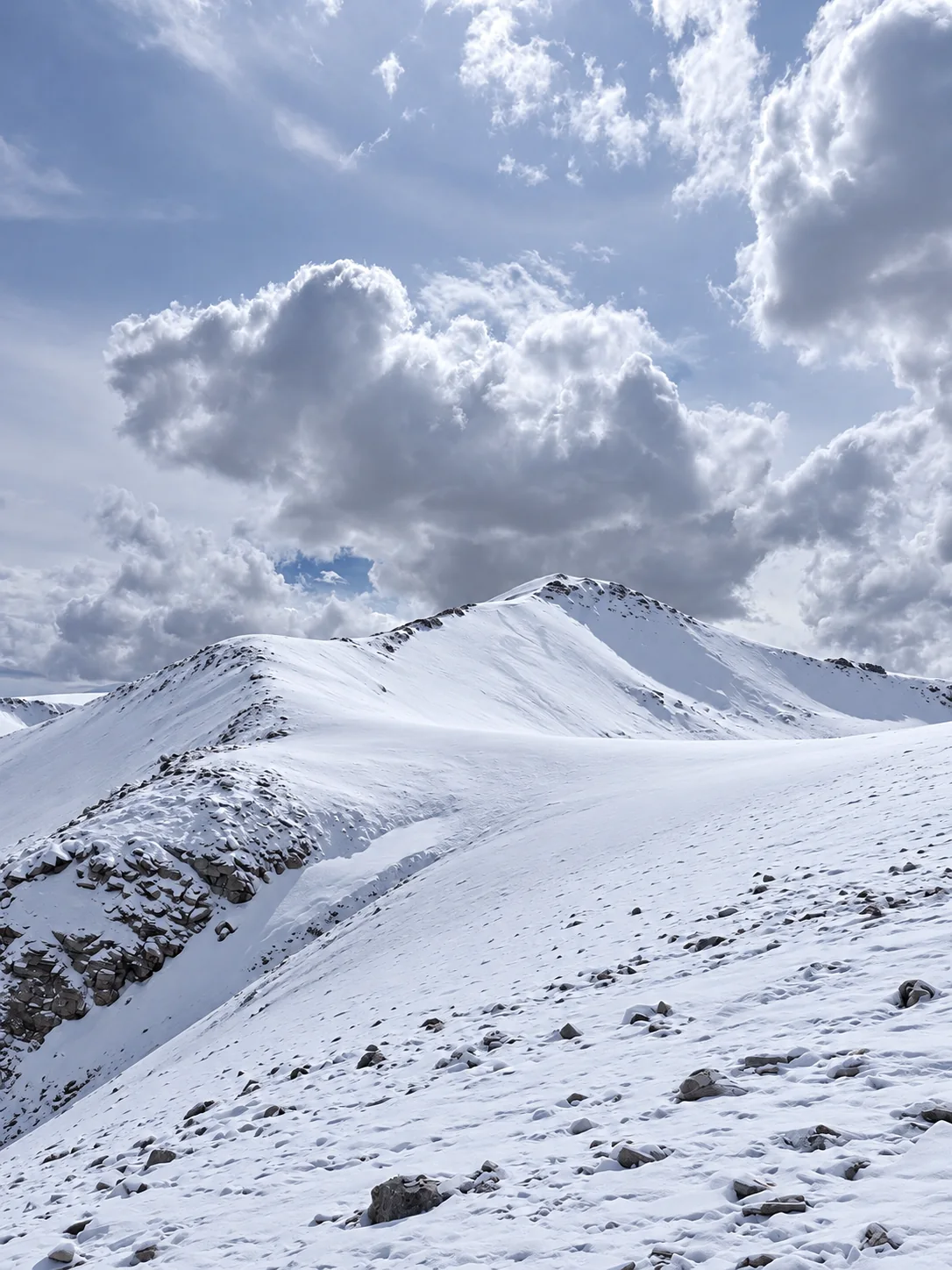
During winter, high-altitude valleys and mountain slopes are transformed by snow and ice. Frozen lakes, snow-covered ridgelines and vast white landscapes create a completely different mountain environment.
Regions such as Changthang, the Markha Valley and Rumtse in Ladakh offer exceptional winter mountain experiences.
A serious mountaineering challenge
Winter climbing tests much more than physical fitness.
Participants must manage extreme cold, changing snow conditions, reduced daylight and the physical demands of sustained movement at altitude.
Smaller and more focused expeditions
Winter mountaineering often attracts climbers looking for a more specialised mountain experience.
With smaller expedition teams, proper preparation and experienced guides, climbers can focus on developing their high-altitude skills while experiencing the Himalayas in a different season.
Building experience for bigger mountains
Winter expeditions can help climbers develop important skills in cold management, endurance, equipment use and mountain decision-making.
For mountaineers planning future 6,000m, 7,000m or higher Himalayan objectives, winter climbing can be a valuable part of their experience, provided the selected mountain matches their ability.
2. Best 6000m Mountains to Climb in Winter in India
India offers several interesting high-altitude mountain objectives for winter mountaineering. Ladakh, in particular, provides some remarkable opportunities for experienced and physically prepared climbers.
Here are four winter climbing objectives featured in White Expedition's winter programme.
3. Winter Kang Yatse II – 6250m, Ladakh
Location: Markha Valley, Ladakh
Kang Yatse II is one of the most recognised mountaineering objectives in Ladakh.
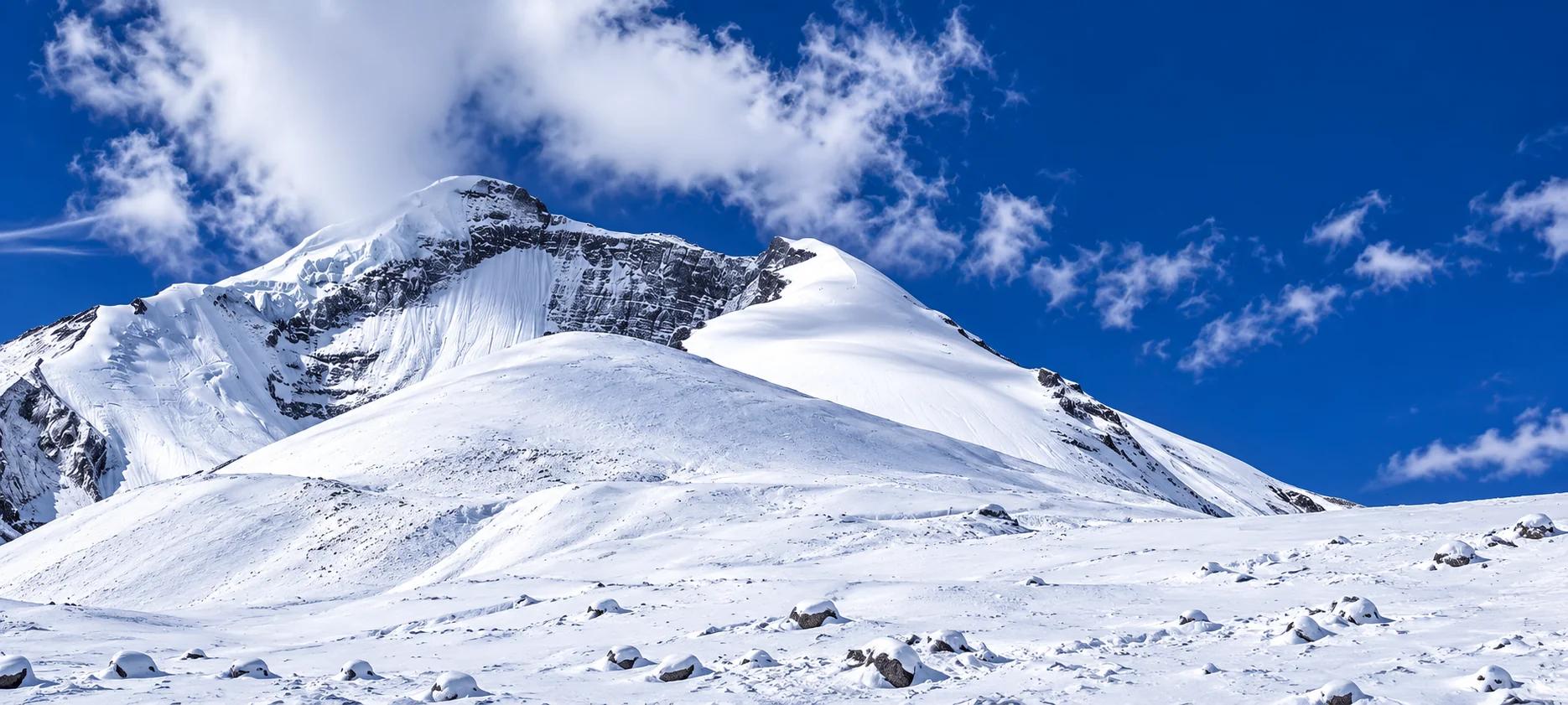
Standing at approximately 6,250 metres, the mountain rises above the spectacular Markha Valley and offers experienced climbers a demanding Himalayan summit objective.
While Kang Yatse II is already a popular summer mountaineering destination, attempting it during winter presents a very different challenge.
What makes Winter Kang Yatse II special?
Winter transforms the Markha Valley into a remote, snow-covered mountain environment.
The climb demands good physical endurance, appropriate winter equipment and the ability to operate in cold, high-altitude conditions.
The expedition involves careful preparation, technical climbing skills and responsible summit-day decision-making.
Who should attempt it?
Winter Kang Yatse II is intended for physically fit participants with suitable mountaineering experience and the ability to handle challenging winter conditions.
It should not be treated as a beginner's winter trekking objective.
White Expedition Winter Kang Yatse II
- Altitude: 6,250m
- Region: Markha Valley, Ladakh
- Duration: 10 days + 1 buffer day
- Scheduled departure: 26 December 2026
- Group size: Refer to the current expedition programme.
Expedition fee:
- Indian climbers: ₹1,20,000
- International climbers: US$2,200
- GST: Additional 5%
Explore the Winter Kang Yatse II Expedition.
4. Winter UT Kangri – 6070m, Ladakh
Location: Rumtse Valley, Ladakh
UT Kangri, rising to approximately 6,070 metres, is another exciting winter mountaineering objective in Ladakh.
Located in the Rumtse Valley, this mountain becomes significantly more demanding during winter.
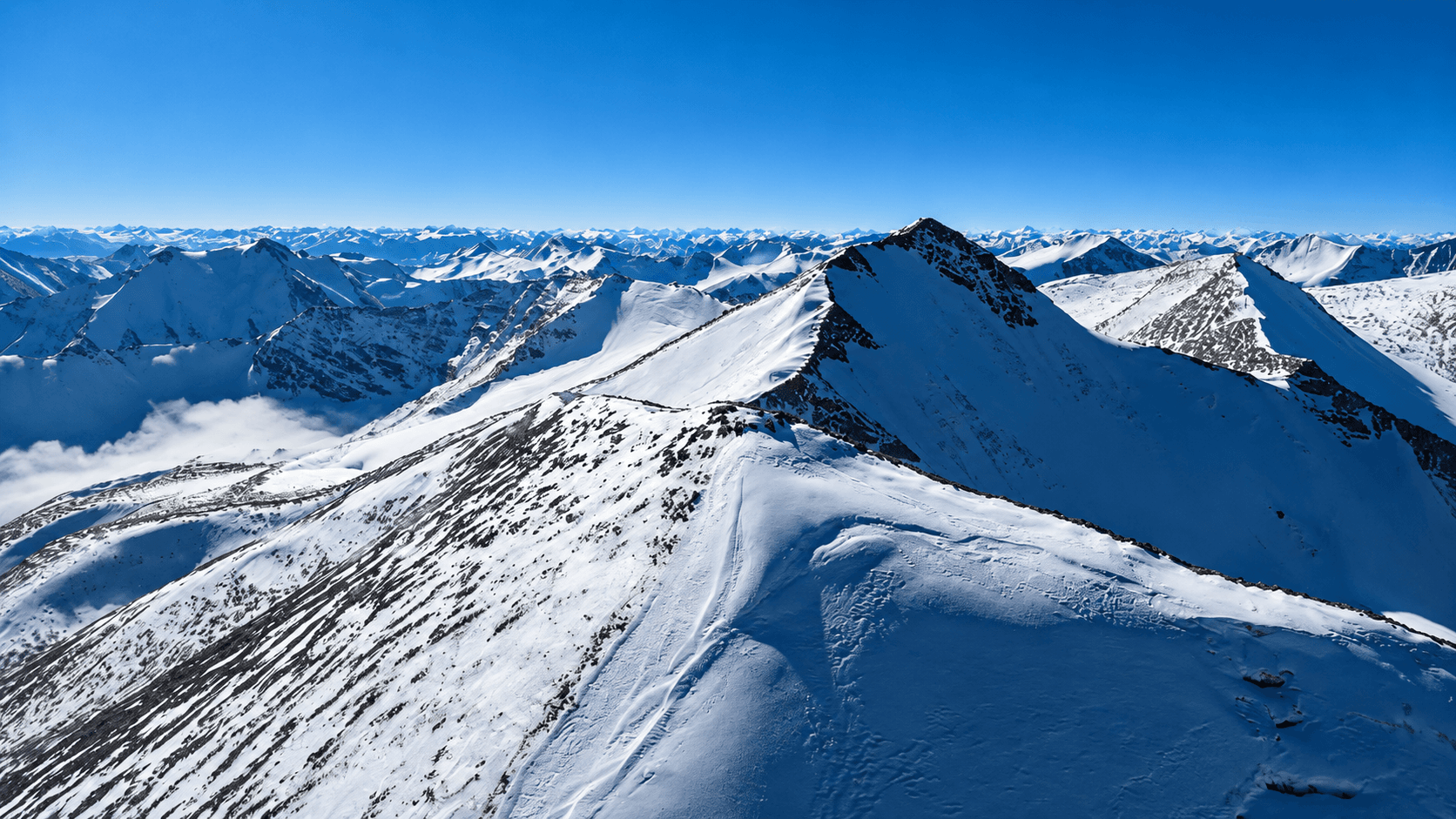
Unlike an ordinary high-altitude trek, a winter ascent of UT Kangri involves serious snow and glacier terrain, steep slopes, extreme cold and potentially strong summit winds.
What makes Winter UT Kangri challenging?
The winter conditions can include:
- Deep snow and difficult mountain approaches.
- Glacier travel.
- Steep snow slopes.
- Strong winds and severe wind chill.
- Temperatures that can fall below -30°C.
- Short weather windows and limited daylight.
Climbers must be familiar with crampons, ice axes and fixed-rope techniques where required by the route and conditions.
Who should attempt it?
UT Kangri is a challenging winter mountaineering objective.
Previous high-altitude trekking and mountaineering experience is strongly recommended. Participants must have good physical endurance and be comfortable operating in demanding winter environments.
This is an excellent objective for experienced trekkers and mountaineers looking to progress towards more demanding Himalayan climbs.
White Expedition Winter UT Kangri
- Altitude: 6,070m
- Region: Rumtse Valley, Ladakh
- Duration: 7 days + 1 buffer day
- Published winter departure dates: December 2026 onwards.
- Expedition fee in the winter catalogue: ₹90,000 for Indian climbers and US$2,100 for international climbers, plus 5% GST.
Explore the Winter UT Kangri Expedition.
5. Winter Kiager Ri – 6100m, Ladakh
Location: Korzok, Changthang Plateau, Ladakh
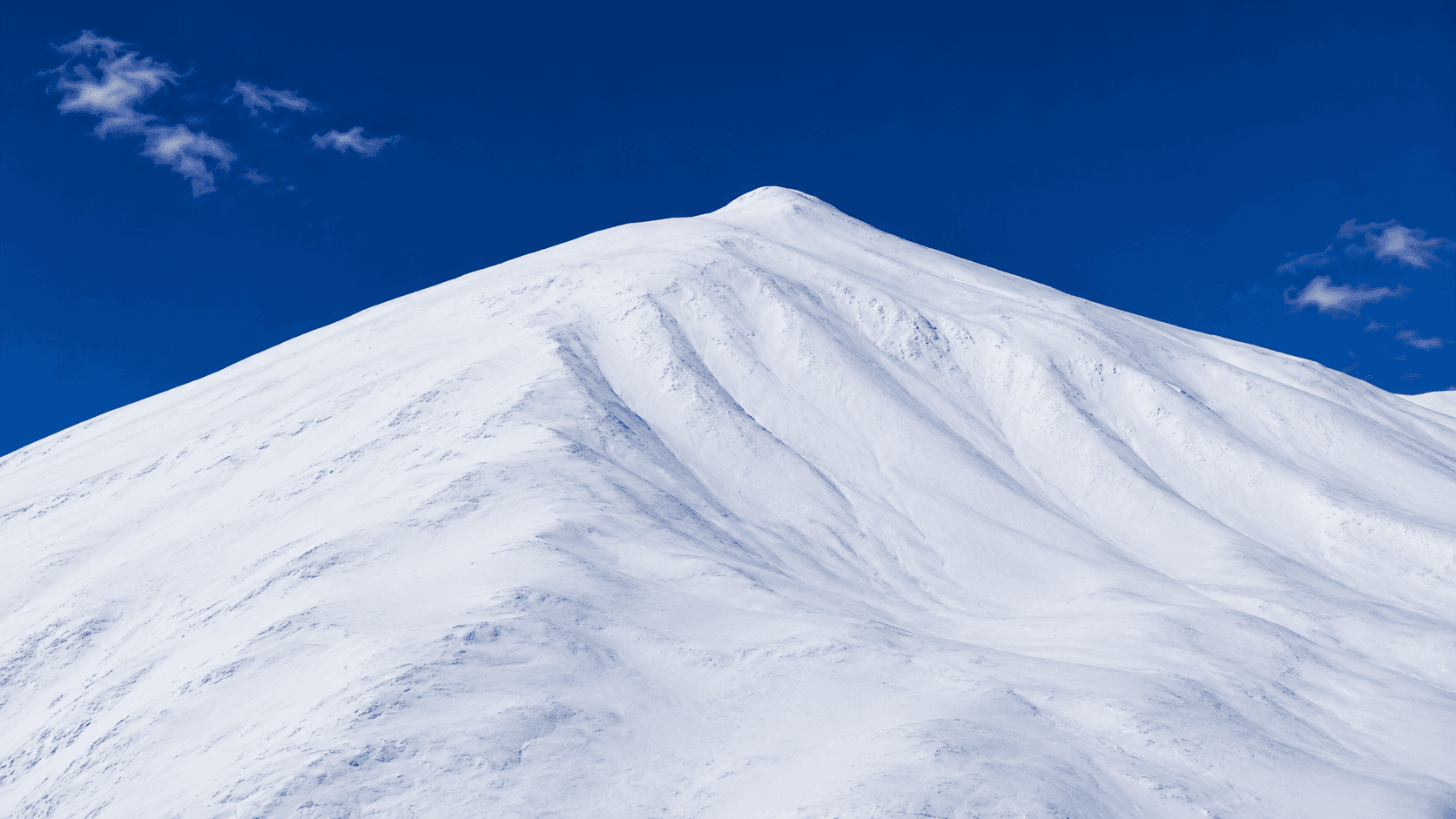
Kiager Ri, standing at approximately 6,100 metres, is one of the exciting winter climbing opportunities in the Changthang region of Ladakh.
Located near Korzok and the spectacular Tso Moriri region, the mountain offers an extraordinary high-altitude winter experience.
Unlike many conventional Himalayan climbing routes, the winter Kiager Ri objective is strongly focused on endurance, altitude adaptation and the ability to move efficiently in extreme cold.
What makes Winter Kiager Ri unique?
Winter temperatures in this region can fall to approximately -25°C to -30°C, particularly during the colder hours.
The landscape is remote, exposed and extremely cold.
The climb involves sustained movement through snow-covered slopes, rocky ridgelines and high-altitude terrain.
Its winter challenge comes from the combination of altitude, endurance, cold exposure and weather rather than extensive technical climbing.
White Expedition's Winter Ascent of Kiager Ri
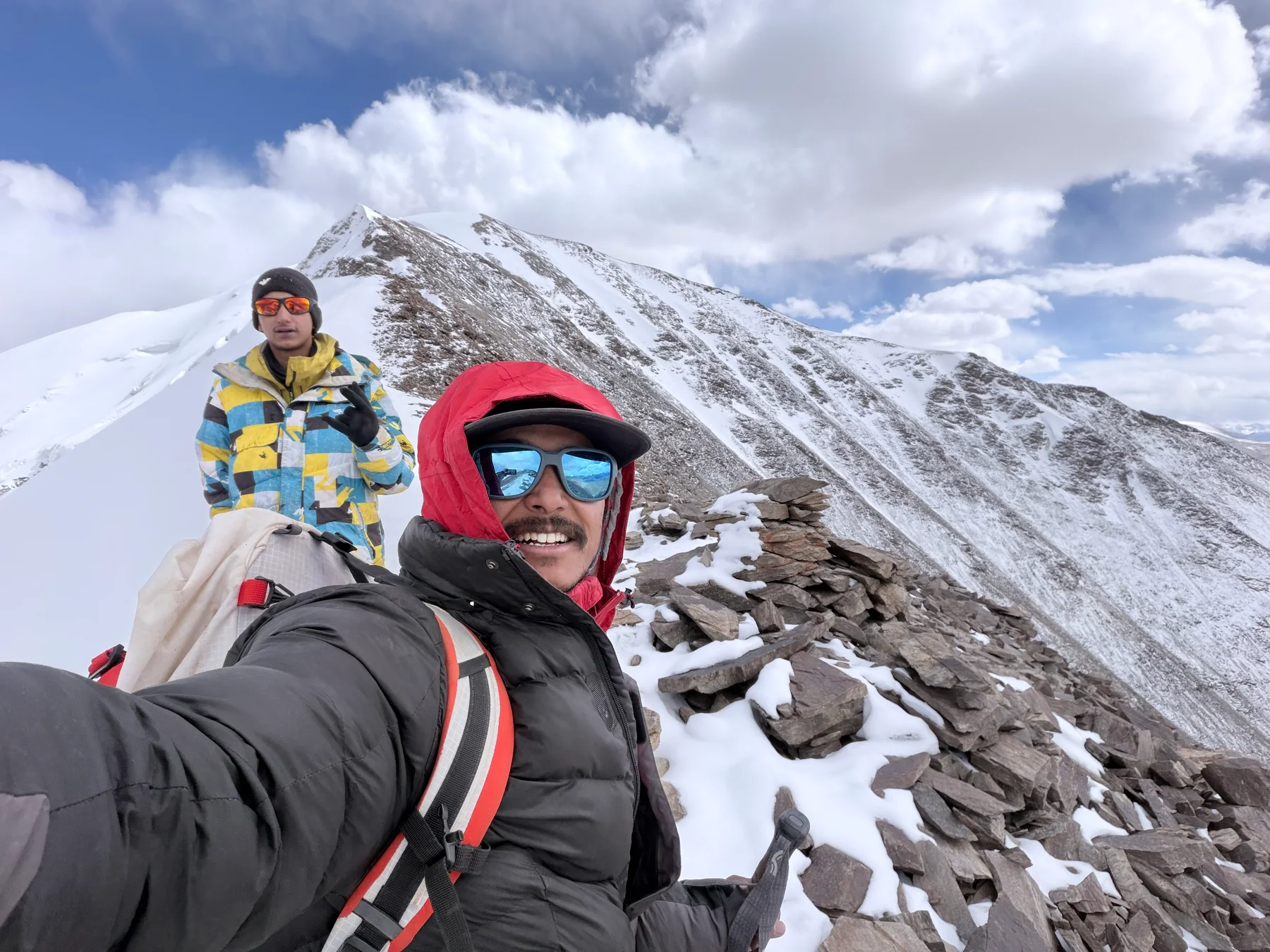
Kiager Ri is particularly special to White Expedition because our team has completed a winter ascent of this mountain under the leadership of Ricky Mountaineer.
The expedition demonstrated the importance of careful acclimatisation, route planning, cold-weather preparation and efficient mountain movement.
This experience also helped shape our current winter Kiager Ri programme.
Who should attempt it?
Winter Kiager Ri is suitable for physically fit participants with good endurance.
Previous high-altitude experience is recommended, particularly for those attempting their first winter 6,000m summit.
It can also be an excellent progression objective for climbers preparing for more demanding Himalayan expeditions.
White Expedition Winter Kiager Ri
- Altitude: 6,100m
- Region: Korzok, Changthang Plateau, Ladakh
- Duration: 6 days
- Winter departure options: December 2026 to March 2027.
Expedition fee:
- Indian climbers: ₹70,000
- International climbers: US$1,800
- GST: Additional 5%
Explore the Winter Kiager Ri Expedition.
6. Winter Zes Ri – 6040m, Ladakh
Location: Korzok, Changthang Plateau, Ladakh
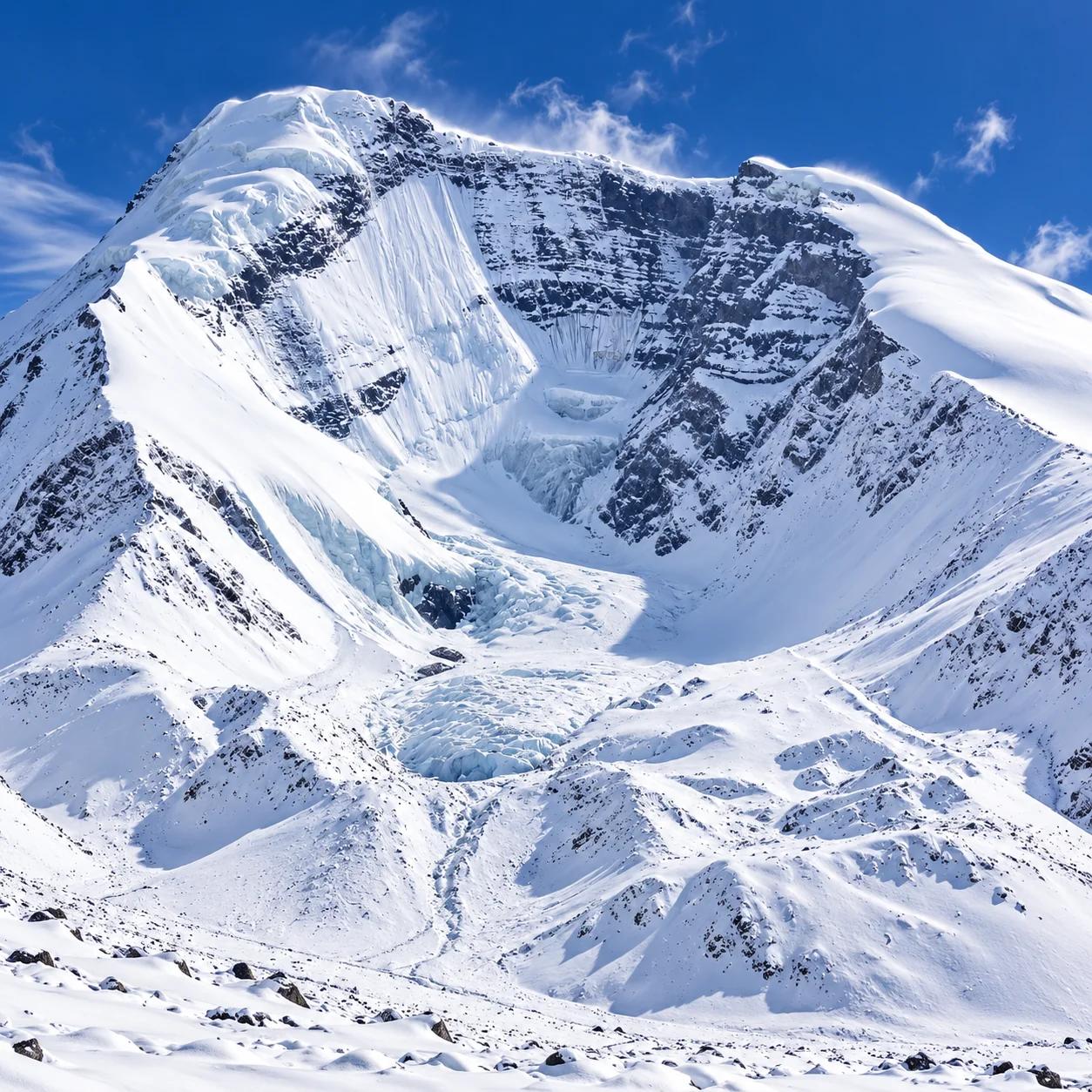
Zes Ri, approximately 6,040 metres high, is another winter mountain objective in the Changthang region.
Located in the Korzok area, this mountain provides an opportunity to experience high-altitude winter climbing in one of Ladakh's most remarkable landscapes.
Winter Zes Ri is designed for climbers looking for a 6,000m-class summit in a cold and remote Himalayan environment.
What makes Winter Zes Ri interesting?
The mountain combines high-altitude exposure, cold-weather movement and the challenges of winter mountain conditions.
The expedition requires good physical preparation, appropriate winter clothing and the ability to maintain steady movement at altitude.
The shorter expedition format makes it an interesting option for participants with limited time who still want to experience a serious high-altitude winter objective.
Who should attempt it?
Participants should have good physical fitness and previous high-altitude trekking experience.
Winter climbing conditions can change significantly, so the final route, equipment and summit plan must be determined by the expedition team according to actual conditions.
White Expedition Winter Zes Ri
- Altitude: 6,040m
- Region: Korzok, Changthang Plateau, Ladakh
- Duration: 6 days + 1 buffer day
- Winter programme: December 2026 onwards.
Expedition fee:
- Indian climbers: ₹60,000
- International climbers: US$1,500
- GST: Additional 5%
Explore the Winter Zes Ri Expedition, or contact White Expedition for current departure dates and availability.
7. Comparing the Best Winter Mountains in Ladakh
If you are considering a winter mountaineering expedition, choosing the right mountain is important.
Each objective offers a different combination of altitude, terrain, duration and climbing demands.
| Mountain | Altitude | Region | Duration |
|---|---|---|---|
| Kang Yatse II | 6,250m | Markha Valley | 10+1 days |
| UT Kangri | 6,070m | Rumtse Valley | 7+1 days |
| Kiager Ri | 6,100m | Korzok | 6 days |
| Zes Ri | 6,040m | Korzok | 6+1 days |
The most suitable mountain depends on your previous experience, physical preparation, technical skills and comfort with extreme cold.
A shorter itinerary does not necessarily mean an easier climb. Winter conditions and altitude can make even a relatively short expedition physically demanding.
8. What Is the Best Month for Winter Mountaineering in India?
The winter climbing season in the Indian Himalayas generally extends from December through March, although actual conditions vary considerably between regions and mountains.
December
December marks the beginning of the winter climbing period for several Ladakh objectives.
It can offer opportunities for climbers interested in experiencing the beginning of the deep winter season.
January
January brings some of the coldest conditions in the high-altitude regions of Ladakh.
Climbers must be prepared for extreme temperatures, snow conditions and limited weather windows.
February
February continues to offer serious winter mountaineering conditions.
The combination of cold temperatures and challenging snow conditions requires careful expedition planning.
March
March can offer another opportunity for winter-style climbing, although conditions vary by mountain and elevation.
The decision to attempt a particular peak must always depend on current snow conditions, weather forecasts, route safety and the expedition team's assessment.
9. What Equipment Do You Need for Winter Mountaineering?
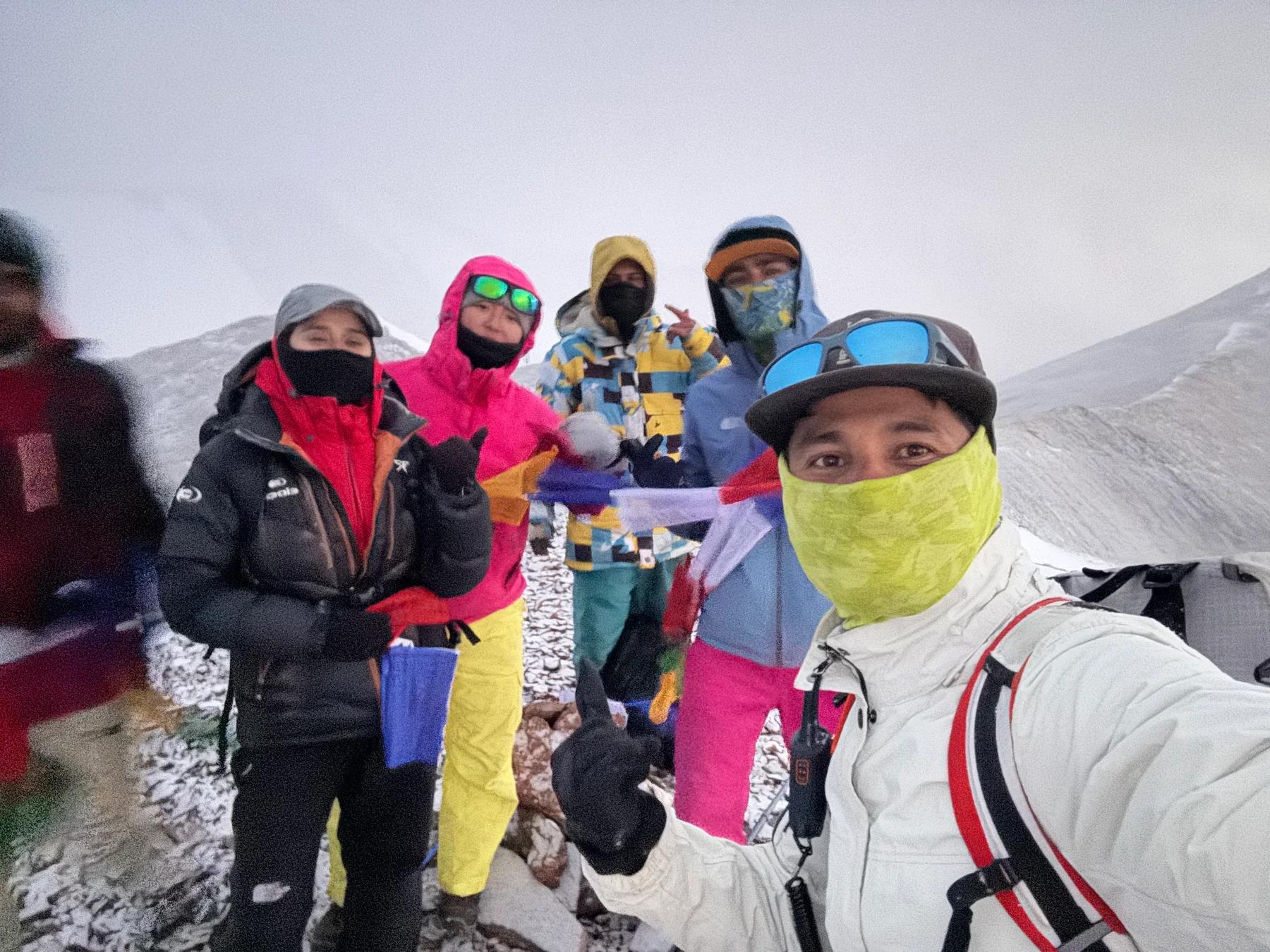
Winter mountaineering requires specialised clothing and equipment.
Staying warm, protecting exposed skin and maintaining reliable equipment performance are essential in extreme cold.
Clothing
- High-quality down jacket.
- Insulated down trousers.
- Thermal base layers.
- Fleece or insulated mid-layer.
- Waterproof and windproof outer shell.
- Warm mountaineering gloves and mittens.
- Balaclava and insulated headwear.
- Winter mountaineering socks.
- Suitable high-altitude boots.
Technical equipment
Depending on the mountain and route, equipment may include:
- Crampons.
- Ice axe.
- Climbing harness.
- Helmet.
- Jumar or ascender.
- Locking carabiners.
- Headlamp with spare batteries.
- Trekking poles.
Personal essentials
- Insulated water bottles.
- Sleeping bag appropriate for expected temperatures.
- Sunglasses.
- Sunscreen.
- Lip protection.
- Personal medication.
- High-energy snacks.
White Expedition provides the expedition equipment and support specified in each programme. Participants receive a detailed personal equipment checklist before departure.
10. Is Winter Mountaineering Suitable for Beginners?
Not every winter mountain is suitable for beginners.
A winter 6,000m expedition is a serious undertaking, and the difficulty depends on the mountain, route and prevailing conditions.
Some objectives may be suitable for fit participants with previous high-altitude trekking experience, while others require stronger technical mountaineering backgrounds.
Before choosing an expedition, consider:
- Your previous altitude experience.
- Cardiovascular endurance.
- Experience in snow and cold environments.
- Familiarity with mountaineering equipment.
- Your ability to manage prolonged physical effort.
- Your overall health and readiness.
At White Expedition, we help participants identify objectives that match their experience and preparation.
Our team believes in responsible mountaineering and realistic expectations rather than promising easy summits.
11. Why Choose White Expedition for Winter Mountaineering?
Winter mountaineering demands more than simply arranging transport and accommodation.
It requires mountain-specific planning, reliable equipment, experienced guides and the ability to make responsible decisions in changing conditions.
White Expedition specialises in Himalayan mountaineering, with expedition operations across Ladakh and Himachal Pradesh.
Our winter programmes are designed around:
Experienced Himalayan leadership: Our team brings practical experience from high-altitude expeditions and winter climbing objectives.
Small expedition groups: We focus on controlled group sizes to support communication, individual attention and efficient mountain operations.
Professional mountain equipment: Appropriate climbing and safety equipment is arranged according to each expedition's requirements.
Acclimatisation and preparation: We plan altitude progression and preparation according to the selected mountain and individual requirements.
Safety-focused operations: Weather monitoring, health assessment, route evaluation and responsible summit decisions remain central to our expedition philosophy.
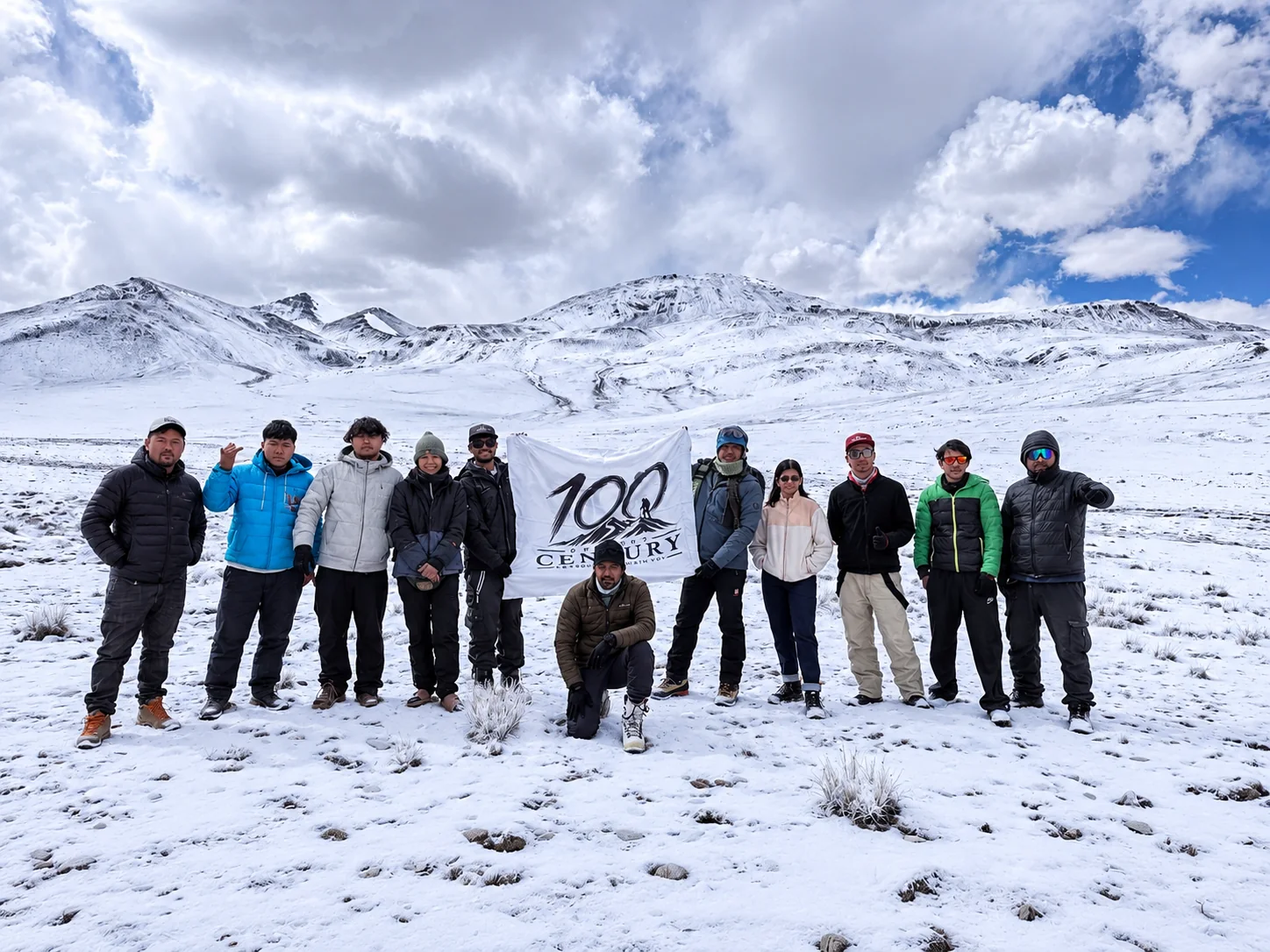
Real mountain experience: Our winter Kiager Ri ascent and other Himalayan expedition experiences provide valuable operational knowledge for planning winter climbs.
12. Explore Winter Mountaineering Expeditions with White Expedition
The Indian Himalayas offer some remarkable opportunities for winter mountaineering, and Ladakh remains one of the most exciting destinations for climbers looking to explore 6,000m peaks in extreme winter conditions.
Whether you want to experience the demanding slopes of UT Kangri, climb the remote Changthang mountains of Kiager Ri and Zes Ri, or take on the iconic Kang Yatse II, White Expedition offers winter climbing programmes for different levels of experience.
Our objective is simple: to help climbers experience the Himalayas through professionally organised, carefully planned and safety-focused mountaineering expeditions.
Winter is not just another season in the mountains. It is a different kind of challenge.
Choose your mountain. Prepare for the cold. Experience the Himalayas with White Expedition.
Explore Our Winter Expeditions
- Explore All Winter Expeditions
- Winter Kang Yatse II – 6250m
- Winter UT Kangri – 6070m
- Winter Kiager Ri – 6100m
- Winter Zes Ri – 6040m
For a wider look at the season, read our winter 6000m peaks in India guide.
White Expedition – Beyond the Ordinary. Into the Himalayas.
Frequently Asked Questions
1. Which mountains can you climb in winter in India?
White Expedition's current winter mountaineering programme features Kang Yatse II (6,250m), UT Kangri (6,070m), Kiager Ri (6,100m) and Zes Ri (6,040m), all in Ladakh.
2. Is it possible to climb a 6000m mountain in winter?
Yes. Several 6,000m Himalayan objectives can be attempted in winter with appropriate preparation, experienced mountain leadership, suitable equipment and favourable weather conditions.
3. How cold does it get during winter mountaineering in Ladakh?
Temperatures can fall below -20°C and may reach -30°C or lower in exposed high-altitude locations. Actual conditions vary by mountain, elevation and weather.
4. Which is the best winter mountain for beginners in Ladakh?
Kiager Ri can be an option for physically fit participants with previous high-altitude experience who want to attempt their first winter 6,000m summit. Suitability must be assessed individually.
5. Do I need previous mountaineering experience for a winter 6000m expedition?
Previous high-altitude experience is strongly recommended. More technical objectives, such as winter UT Kangri and Kang Yatse II, require appropriate climbing skills and experience.
6. What is the best time for winter mountaineering in Ladakh?
December to March offers winter climbing opportunities, depending on the mountain, route conditions and weather.
7. What equipment is required for winter climbing?
Winter clothing, insulated boots, crampons, an ice axe and other technical equipment may be required depending on the mountain and route.
8. Are winter expeditions safe?
All mountaineering involves inherent risks. A professional expedition operator can help manage these risks through appropriate preparation, experienced leadership, equipment, weather monitoring and responsible decisions. No expedition can guarantee safety or a summit.
9. Can international climbers join White Expedition's winter programmes?
Yes. White Expedition offers winter expedition options for Indian and international participants. Contact the team to confirm availability, travel arrangements and current pricing.
10. How can I book a winter mountaineering expedition?
Visit the White Expedition winter expedition page, select your preferred mountain and departure date, and contact the team for booking details and preparation guidance.