Mountaineering Guide
What Does It Take to Climb a 7000m Mountain? A Complete Guide to High-Altitude Mountaineering
The experience, fitness, acclimatisation, technical skills, equipment and mindset a 7,000m Himalayan expedition demands, with Mount Nun (7,135m) and Mount Kun (7,077m) in Ladakh as real examples.
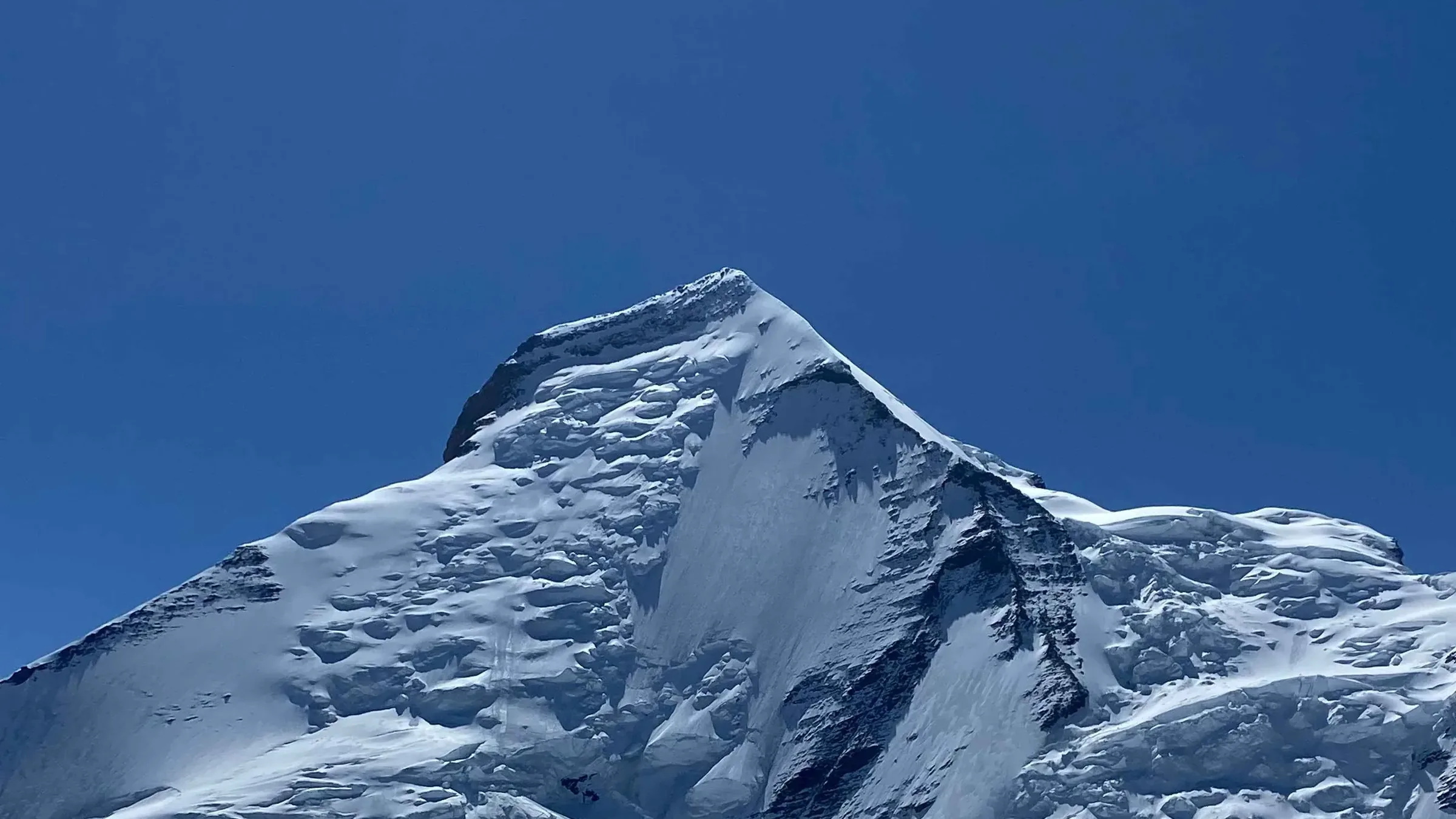
Climbing a 7,000-metre mountain is a major milestone in any mountaineer's journey. Beyond 7,000 metres, the mountains become more demanding, the air becomes significantly thinner, weather conditions become increasingly unpredictable, and even simple physical tasks require considerably more effort.
For many climbers, reaching the summit of a 7,000m peak represents years of preparation, technical training and experience in high-altitude environments.
But what does it actually take to climb a 7,000m mountain? Is physical fitness enough? How much previous mountaineering experience is required? What technical skills should you have, and how should you prepare for an expedition of this scale?
At White Expedition, we organise high-altitude mountaineering expeditions across the Indian Himalayas, including two major 7,000m objectives in Ladakh: Mount Nun (7,135m) and Mount Kun (7,077m).
Drawing on our experience on these mountains, including our successful Mount Nun summit in August 2026, this guide explains the preparation, experience, technical abilities and commitment required to take on a 7,000-metre Himalayan expedition.
Table of Contents
- Understanding the Challenge of Climbing Above 7000 Metres
- How Much Mountaineering Experience Do You Need?
- Physical Fitness: Preparing Your Body for 7000m
- Acclimatisation: One of the Most Important Parts of a 7000m Expedition
- Technical Mountaineering Skills Required for a 7000m Climb
- Mental Strength and Decision-Making at Extreme Altitude
- Nutrition, Hydration and Recovery Above 6000 Metres
- How Long Does It Take to Climb a 7000m Mountain?
- Mount Nun 7135m: A Real 7000m Himalayan Climbing Objective
- Mount Kun 7077m: Another Major 7000m Challenge in Ladakh
- Mount Nun vs Mount Kun: Which 7000m Mountain Should You Climb?
- What Equipment Do You Need for a 7000m Expedition?
- How to Choose the Right 7000m Expedition Operator
- How to Start Your Journey Towards a 7000m Summit
- Ready to Take Your Mountaineering Above 7000 Metres?
1. Understanding the Challenge of Climbing Above 7000 Metres
A 7,000m mountain is not simply a higher version of a 6,000m peak. The physiological and environmental challenges increase considerably as climbers move towards extreme altitude.
At these elevations, the body receives significantly less oxygen with every breath. Physical performance decreases, recovery becomes slower, appetite may be affected, and maintaining adequate hydration and nutrition becomes more difficult.
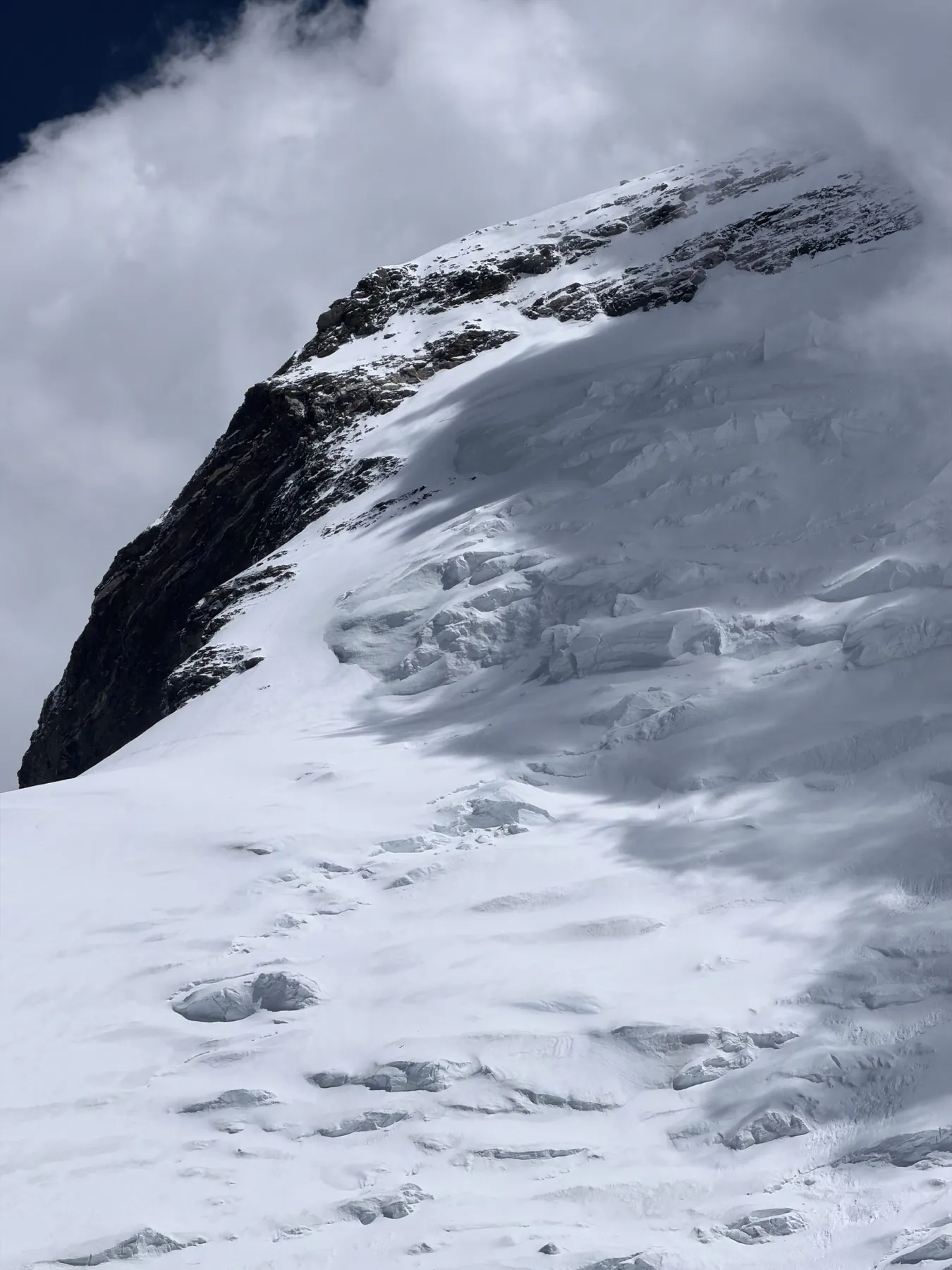
Climbers must also deal with:
- Extremely cold temperatures and strong winds.
- Glacier travel and crevasse hazards.
- Steep snow and ice climbing.
- Fixed-rope sections and technical movement.
- Prolonged exposure to extreme altitude.
- Unpredictable weather and limited summit windows.
- Physical and mental fatigue during extended expeditions.
Above 7,000 metres, climbers enter what is commonly called the extreme-altitude zone. Every movement requires energy, and the ability to manage that energy becomes an essential part of a successful expedition.
This is why climbing a 7,000m mountain requires much more than strength or determination. It requires experience, preparation, technical competence and responsible decision-making.
2. How Much Mountaineering Experience Do You Need?
One of the most important questions before joining a 7,000m expedition is whether you have sufficient previous mountaineering experience.
A 7,000m mountain should not be your first serious mountaineering objective.
Ideally, climbers should have experience on several high-altitude mountains, particularly peaks above 5,000m and 6,000m.
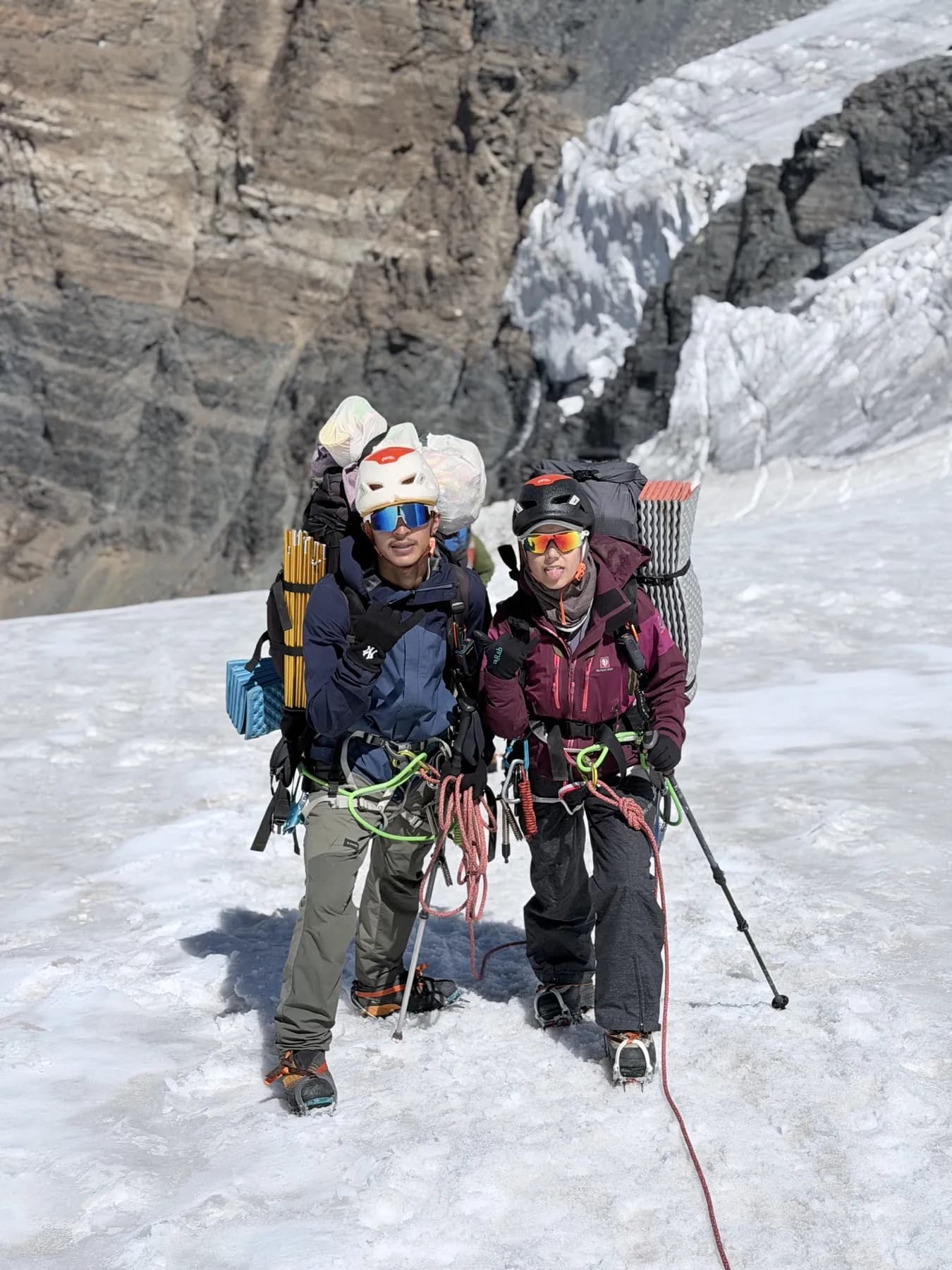
Previous experience should include:
- Multi-day high-altitude expeditions.
- Moving confidently on glaciers.
- Walking with crampons on snow and ice.
- Using an ice axe.
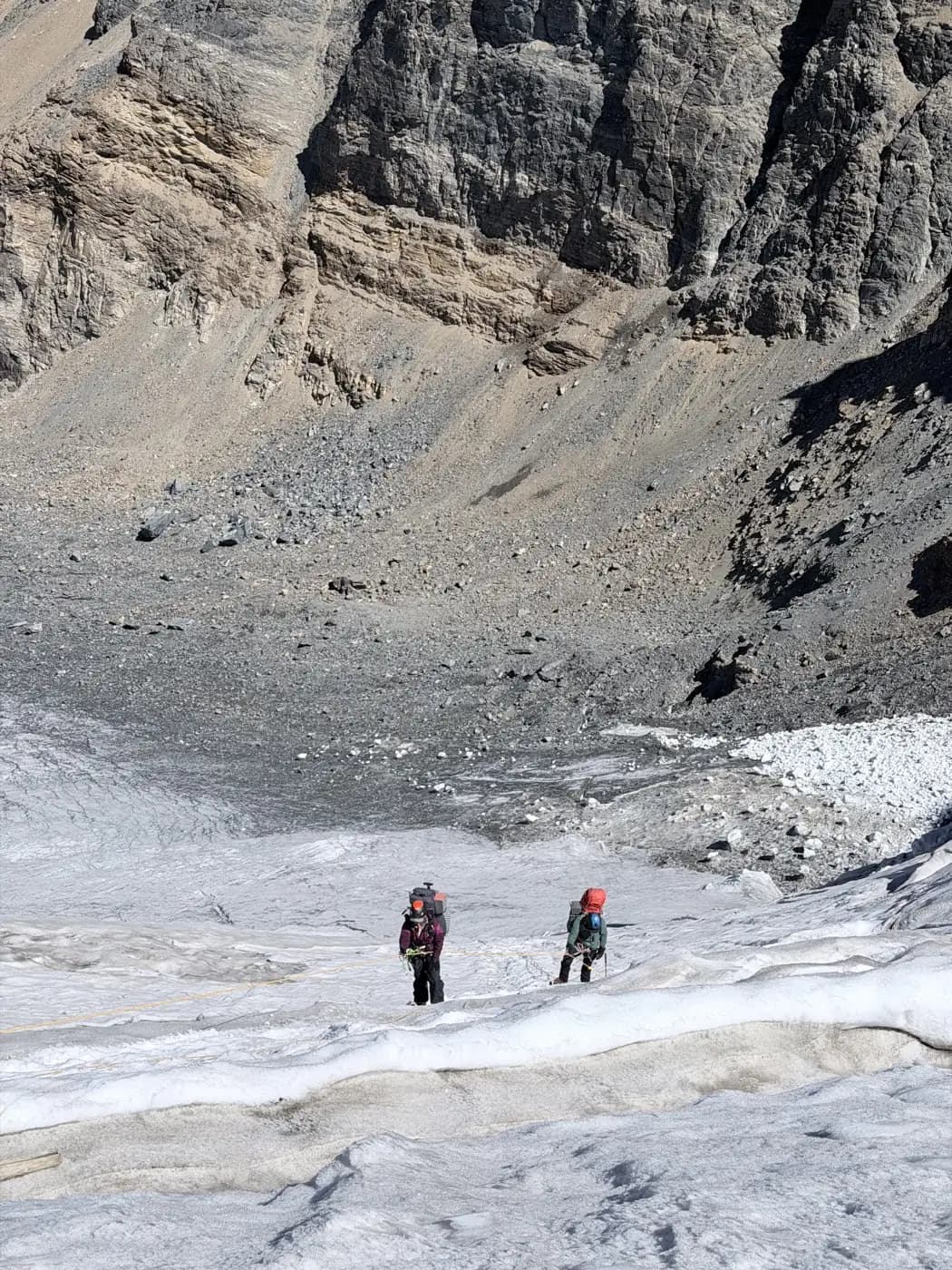
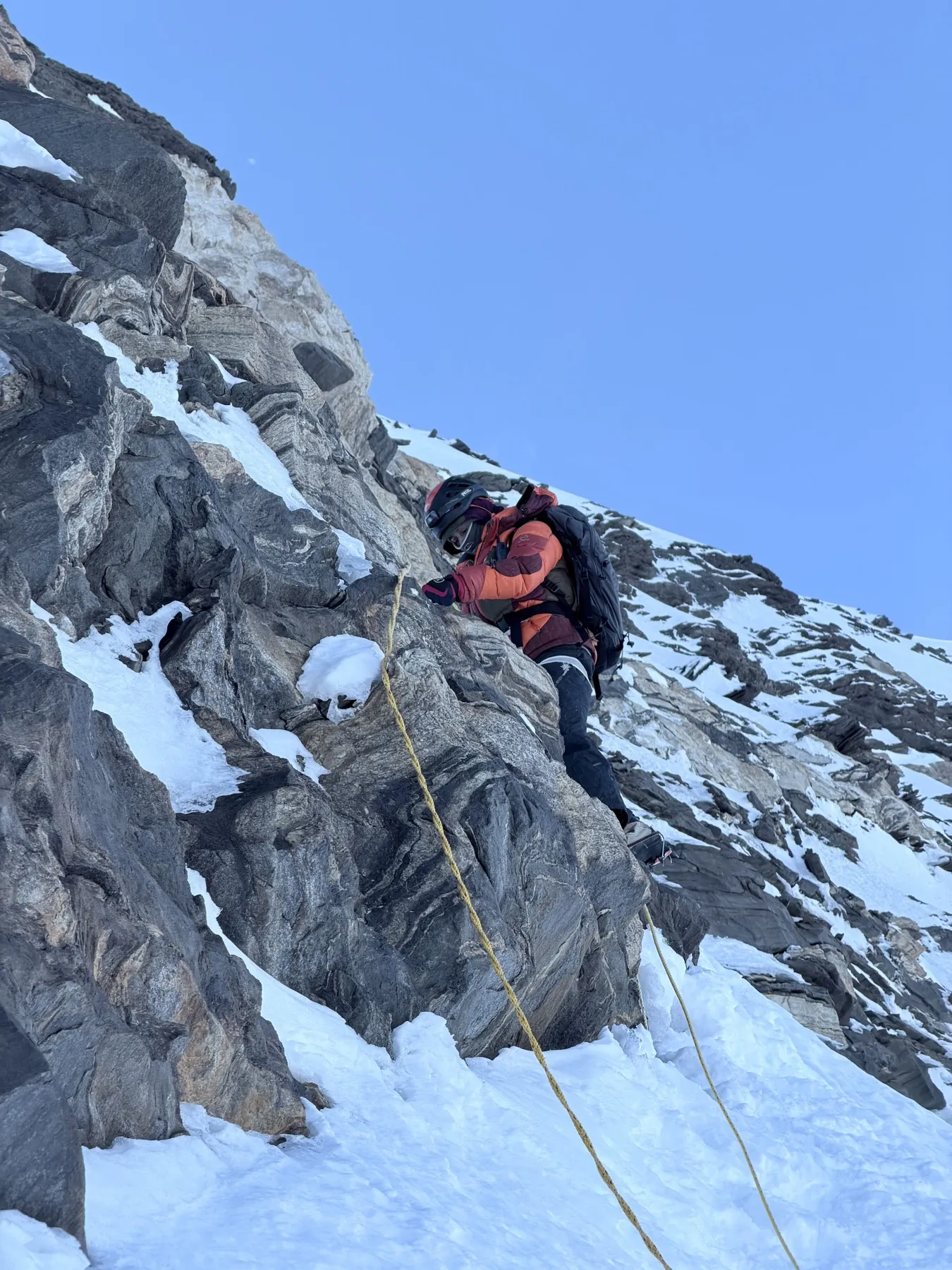
- Ascending and descending fixed ropes.
- Using a Jumar or mechanical ascender.
- Managing personal equipment in extreme cold.
- Spending multiple nights at high-altitude camps.
Experience at 6,000m is particularly valuable because it provides an opportunity to understand how your body responds to altitude and how you perform during demanding climbing days.
However, reaching a particular altitude previously does not automatically mean you are ready for 7,000m. Your technical skills, physical condition, acclimatisation response and ability to function independently in difficult mountain conditions must also be considered.
At White Expedition, we encourage climbers to build their mountaineering experience progressively rather than rushing towards higher summits.
3. Physical Fitness: Preparing Your Body for 7000m
Physical preparation is one of the foundations of a successful high-altitude expedition.
Climbing a 7,000m mountain involves several consecutive days of physical effort, often while carrying personal equipment and operating in temperatures far below freezing.
You do not necessarily need to be an elite athlete, but you must have excellent endurance, strength and the ability to recover between demanding climbing days.
Cardiovascular endurance
Aerobic fitness is essential for sustained movement at altitude.
Recommended training activities include:
- Long-distance hiking.
- Running and trail running.
- Cycling.
- Stair climbing.
- Incline treadmill training.
- Long-duration aerobic sessions.
Gradually increase the duration and intensity of your training rather than trying to achieve everything in a short period.
Leg strength
Your legs will carry most of the workload during the expedition, particularly while climbing steep slopes and moving through snow.
Useful exercises include:
- Squats.
- Lunges.
- Step-ups.
- Weighted stair climbing.
- Calf raises.
- Hiking with a loaded backpack.
Core and upper-body strength
Core stability helps maintain balance while moving with a heavy backpack and wearing technical climbing equipment.
Upper-body strength is also useful when working with fixed ropes, ice axes and other mountaineering equipment.
Training with a backpack
One of the most practical ways to prepare is to hike regularly with a weighted backpack.
Start with a manageable load and gradually increase the weight and distance. This helps prepare your body for the physical demands of moving between high-altitude camps.
Ideally, begin a structured training programme at least four to six months before your expedition, adjusting it to your previous experience and fitness level.
4. Acclimatisation: One of the Most Important Parts of a 7000m Expedition
Fitness alone cannot prepare your body for extreme altitude.
Acclimatisation is the process through which your body gradually adapts to reduced oxygen availability as you ascend.
A poorly planned ascent can increase the risk of altitude-related illnesses, including Acute Mountain Sickness (AMS), High Altitude Pulmonary Edema (HAPE) and High Altitude Cerebral Edema (HACE).
A responsible expedition itinerary must therefore include sufficient time for acclimatisation.
Why gradual acclimatisation matters
As altitude increases, the body needs time to adjust to the lower availability of oxygen.
Climbers may experience headaches, fatigue, reduced appetite, disturbed sleep and breathlessness during the acclimatisation process.
A properly designed itinerary includes progressive altitude exposure, rest periods and climbing rotations where appropriate.
How White Expedition approaches acclimatisation
Our 2027 Mount Nun and Mount Kun programmes are designed around progressive altitude adaptation.
The planned approach includes:
- Arrival in Delhi and initial expedition preparation.
- Travel to Leh, approximately 3,500m.
- Acclimatisation and gradual altitude exposure.
- Travel to Korzok, approximately 4,500m.
- An attempt on a 6,000m-class acclimatisation peak.
- Return to Leh before proceeding towards the main climbing objective.
- Gradual progression through the mountain's base camp and higher camps.
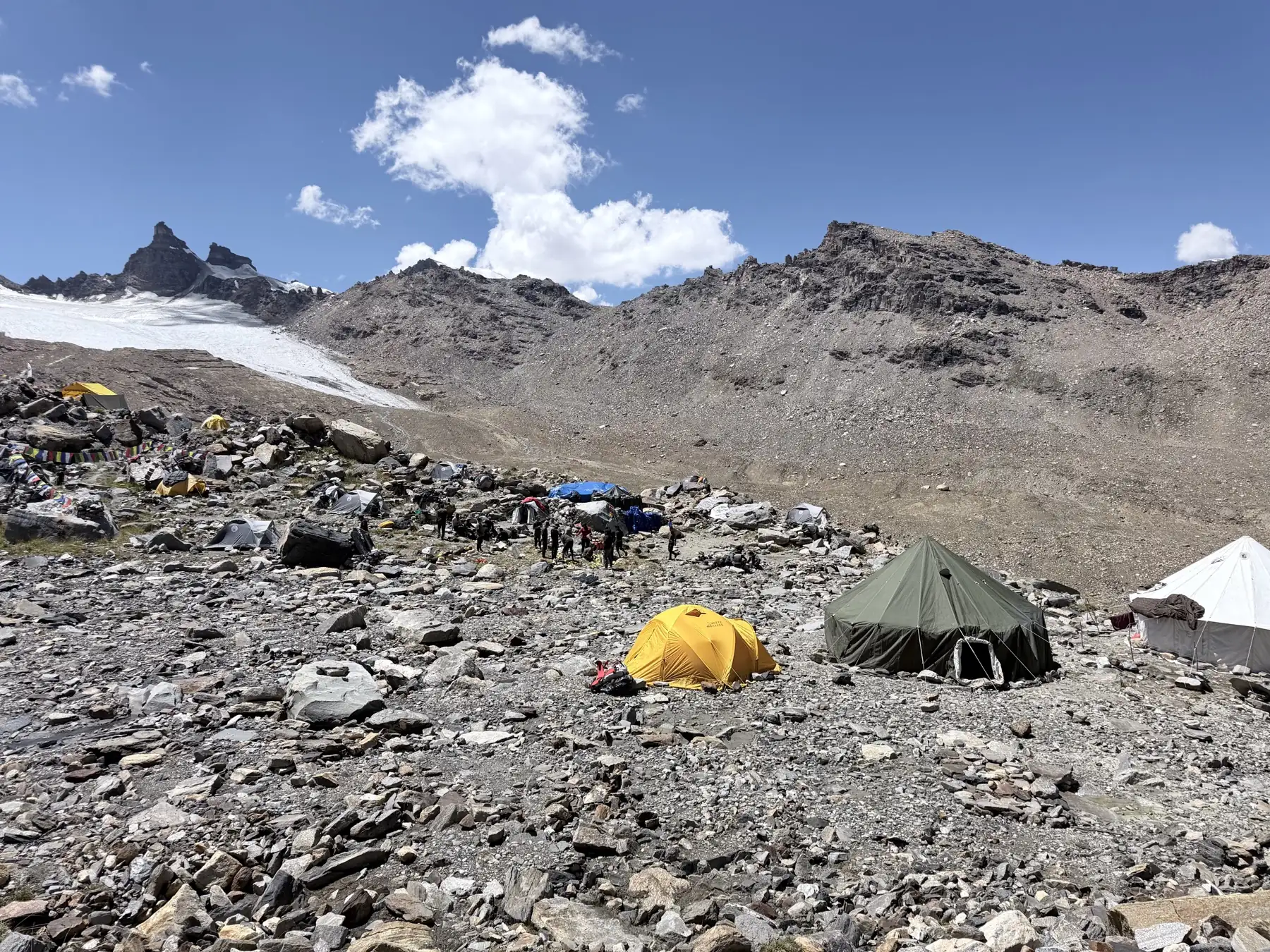
This preparation climb provides valuable information about the climbers' response to altitude before the main summit phase.
Acclimatisation requirements vary between individuals. Previous successful high-altitude climbs do not guarantee that someone will acclimatise equally well on a future expedition.
5. Technical Mountaineering Skills Required for a 7000m Climb
Most serious 7,000m Himalayan expeditions involve a combination of glacier travel, snow climbing, ice climbing and fixed-rope movement.
You should be familiar with the equipment and techniques required to move safely through this terrain.
Crampon techniques
Climbers must be comfortable walking on snow and ice using mountaineering boots and crampons.
Important techniques include:
- Flat-footing.
- Front-pointing.
- Moving across steep slopes.
- Maintaining balance on hard snow and ice.
Ice axe techniques
An ice axe is an essential piece of equipment for many high-altitude climbs.
Climbers should understand how to use it for support, balance and self-arrest, where appropriate.
Fixed-rope climbing
Fixed ropes are commonly used on steep or exposed sections of Himalayan mountains.
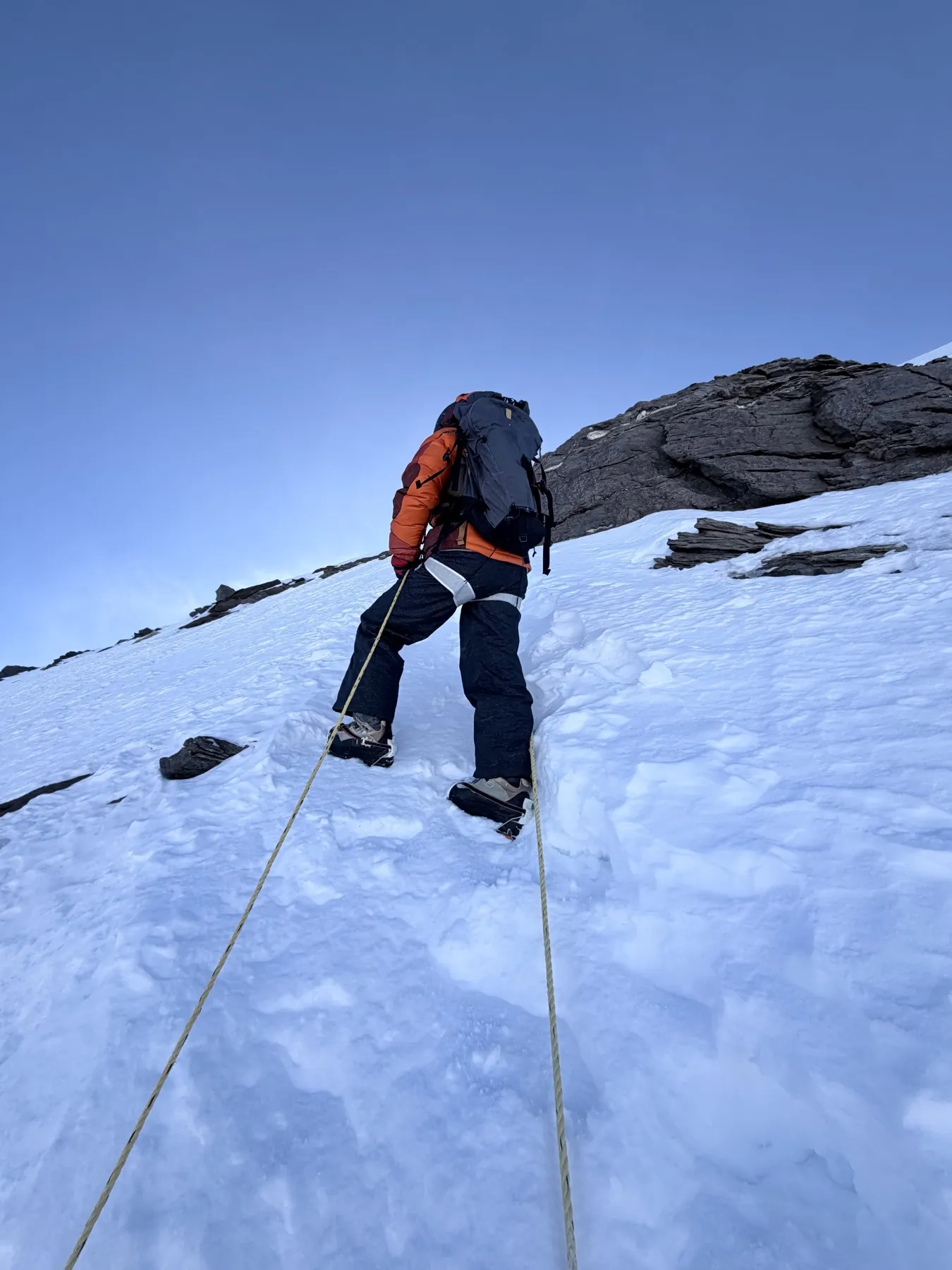
Climbers should know how to:
- Attach a harness correctly.
- Use a Jumar or ascender.
- Move safely along fixed ropes.
- Transfer between rope sections.
- Use appropriate backup and attachment systems.
- Descend using the correct technical equipment.
Glacier travel
Glacier travel requires an understanding of crevasse hazards, rope systems and safe movement across glaciated terrain.
These are not skills that should be learned for the first time during a 7,000m summit attempt.
At White Expedition, we include technical equipment checks and refresher sessions during the expedition programme. However, these sessions are intended to refresh existing skills, not replace previous mountaineering training.
6. Mental Strength and Decision-Making at Extreme Altitude
Physical fitness and technical ability are only part of the equation.
Mental preparation becomes increasingly important when climbing above 7,000 metres.
At extreme altitude, climbers often experience:
- Reduced energy and concentration.
- Difficulty sleeping.
- Physical discomfort.
- Cold hands and feet.
- Slow movement.
- Uncertainty caused by changing weather.
- Pressure to continue towards the summit.
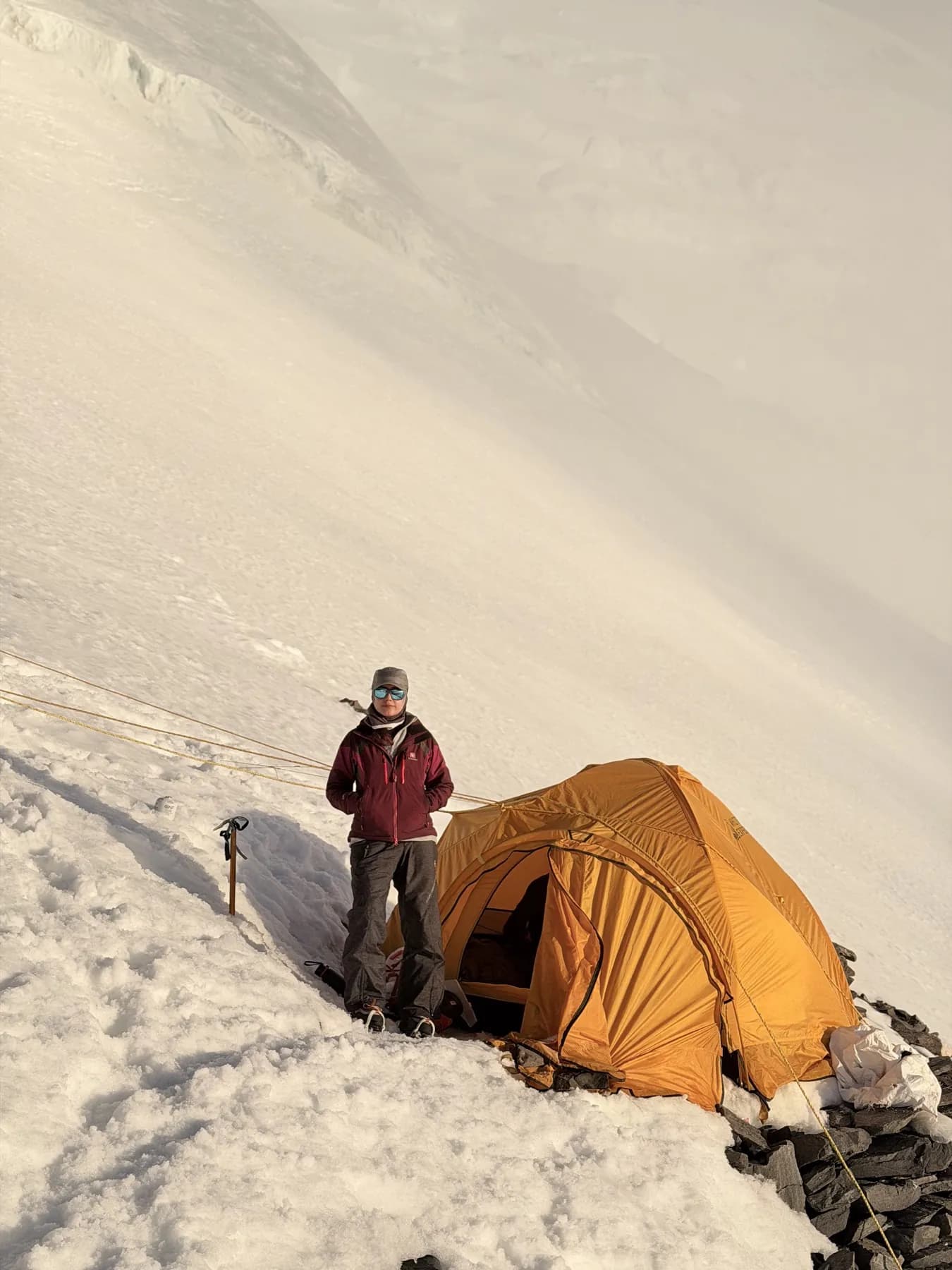
A strong mountaineer understands that reaching the summit is not the only measure of success.
Sometimes the most important decision is to turn around.
A summit attempt must always depend on weather conditions, route safety, individual health, acclimatisation and the overall condition of the team.
No summit is worth compromising the safety of the climbers or expedition staff.
7. Nutrition, Hydration and Recovery Above 6000 Metres
Eating and drinking become increasingly challenging as altitude increases.
Many climbers experience reduced appetite, digestive discomfort and difficulty consuming sufficient calories.
However, nutrition and hydration remain important throughout the expedition.
Nutrition
A suitable expedition diet should provide sufficient carbohydrates, fats and protein to support sustained physical activity.
At higher camps, climbers often prefer easily digestible foods that require less effort to consume.
Hydration
Maintaining hydration is important during high-altitude climbing.
Cold conditions can reduce the sensation of thirst, so climbers should make a conscious effort to drink regularly.
Recovery
Rest days and recovery periods are essential.
Climbing continuously without adequate recovery can increase fatigue and affect decision-making during the summit phase.
An effective expedition plan must balance climbing progress with sufficient time for rest, nutrition and recovery.
8. How Long Does It Take to Climb a 7000m Mountain?
The duration of a 7,000m expedition depends on the mountain, climbing route, weather, acclimatisation strategy and expedition logistics.
Many Himalayan 7,000m expeditions require approximately 25 to 35 days, although some objectives may take longer.
For example, White Expedition's 2027 programmes for Mount Nun and Mount Kun are planned as 25-day expeditions.
Both programmes include:
- Initial preparation and acclimatisation in Leh.
- A 6,000m-class acclimatisation climb.
- Approach to the main mountain.
- Base camp establishment.
- Technical preparation and load ferrying.
- Movement through higher camps.
- Summit attempt.
- Descent and weather contingency time.
Weather buffers are particularly important.
High-altitude weather can change quickly, and a summit attempt may need to be postponed because of strong winds, snowfall or unsafe route conditions.
An expedition should never be planned around the assumption that the summit will be reached on a predetermined date.
9. Mount Nun 7135m: A Real 7000m Himalayan Climbing Objective
Mount Nun, standing at 7,135 metres, is the highest peak of the Nun-Kun massif and one of the most recognised high-altitude mountaineering objectives in Ladakh.
Located above the Suru Valley in the Zanskar Range, Mount Nun offers a serious climbing challenge involving glacier travel, snow and ice climbing, fixed ropes and sustained physical effort at extreme altitude.
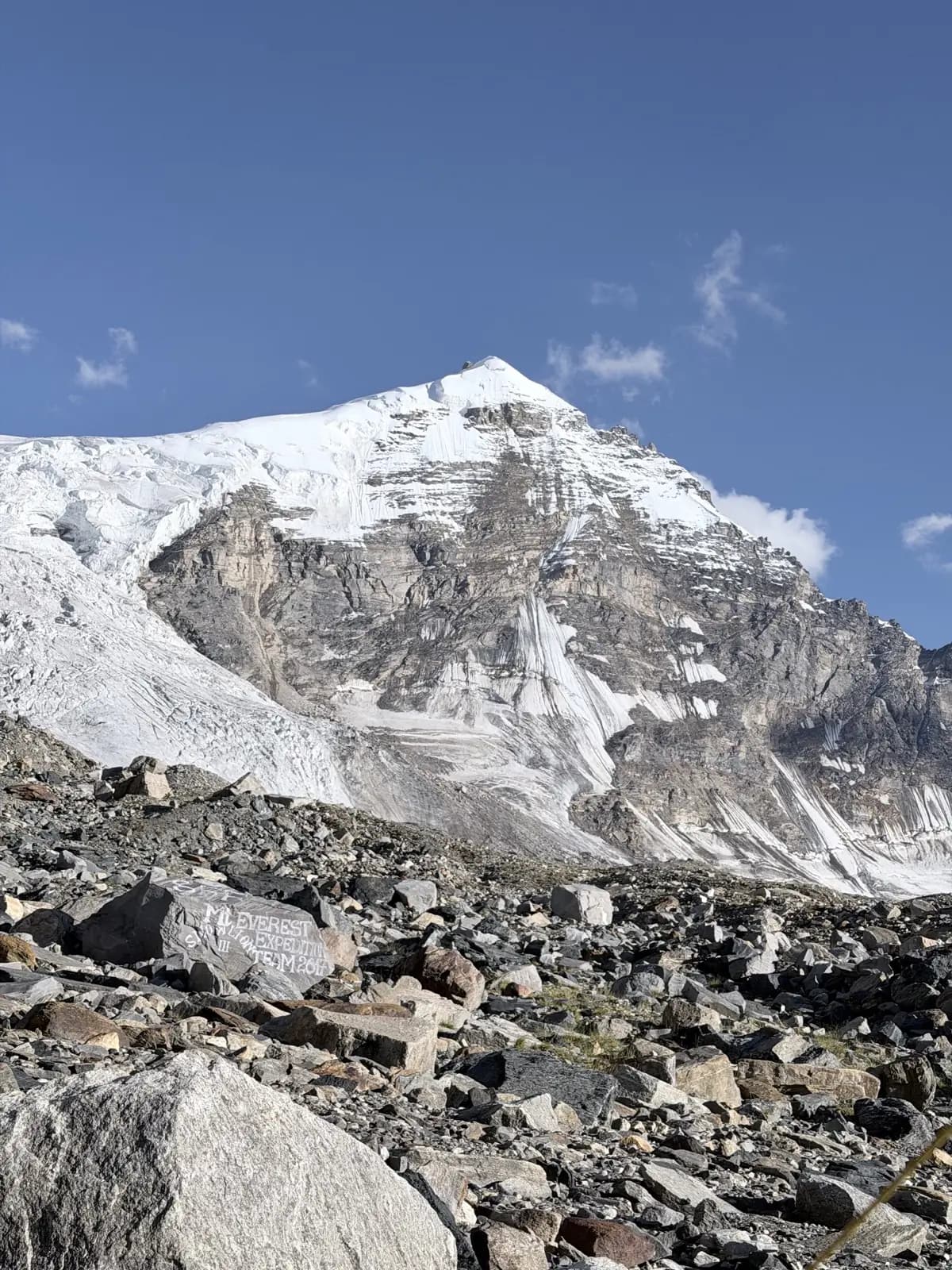
What makes Mount Nun challenging?
Mount Nun requires climbers to manage several demanding aspects of high-altitude mountaineering.
Altitude: At 7,135m, climbers must be prepared for reduced physical performance and the challenges of operating in extremely thin air.
Glacier travel: The route involves glaciated terrain, requiring appropriate equipment and experience.
Snow and ice climbing: The upper mountain involves technical movement on snow and ice.
Fixed ropes: Climbers must be familiar with ascenders, harnesses, crampons and other technical equipment.
Summit conditions: Weather, wind and route conditions play a significant role in determining whether a summit attempt is possible.
White Expedition's Mount Nun experience
In August 2026, White Expedition successfully summited Mount Nun (7,135m).
Led by Ricky Mountaineer, the team completed a five-day fast ascent from Tangol village and returned to Tangol following the climb.
The summit was reached at approximately 9:30 AM on 29 August 2026.
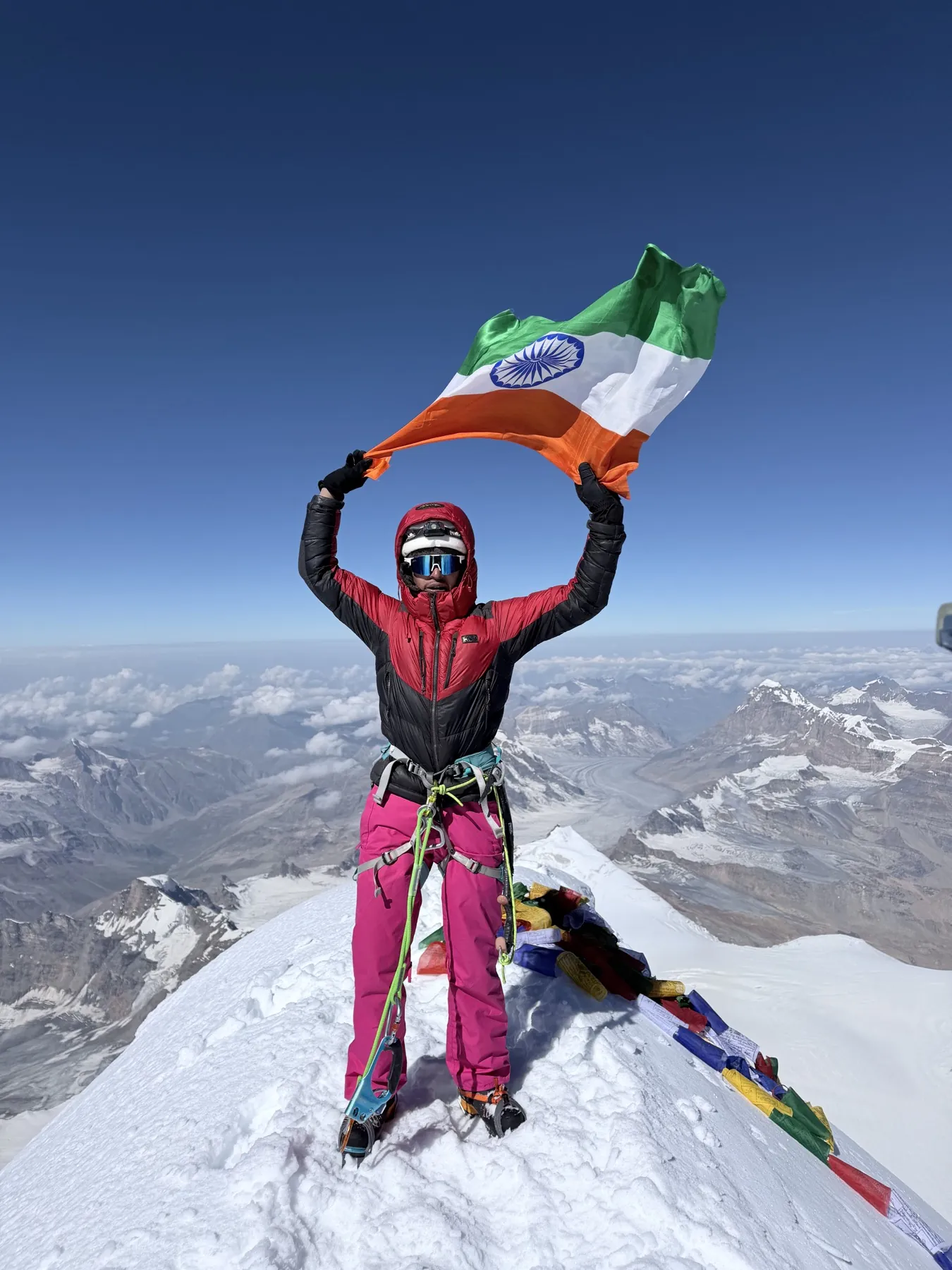
The expedition provided valuable first-hand experience of the mountain's upper terrain, climbing conditions and the physical demands of operating above 7,000 metres.
For White Expedition, this was more than a summit achievement. It was an opportunity to gain further operational experience on one of Ladakh's most demanding mountains.
Our 2027 Mount Nun programme follows a different, progressively acclimatised expedition structure, designed around a longer approach, preparation climb, higher camps and weather contingency days.
Explore: Mount Nun Expedition – 7,135m
10. Mount Kun 7077m: Another Major 7000m Challenge in Ladakh
Mount Kun, rising to 7,077 metres, is another major mountaineering objective in the Nun-Kun massif.
Although slightly lower than Mount Nun, Kun is also a serious high-altitude expedition requiring previous mountaineering experience, technical skills and proper acclimatisation.
The mountain is approached through Shafat Nala in Ladakh.
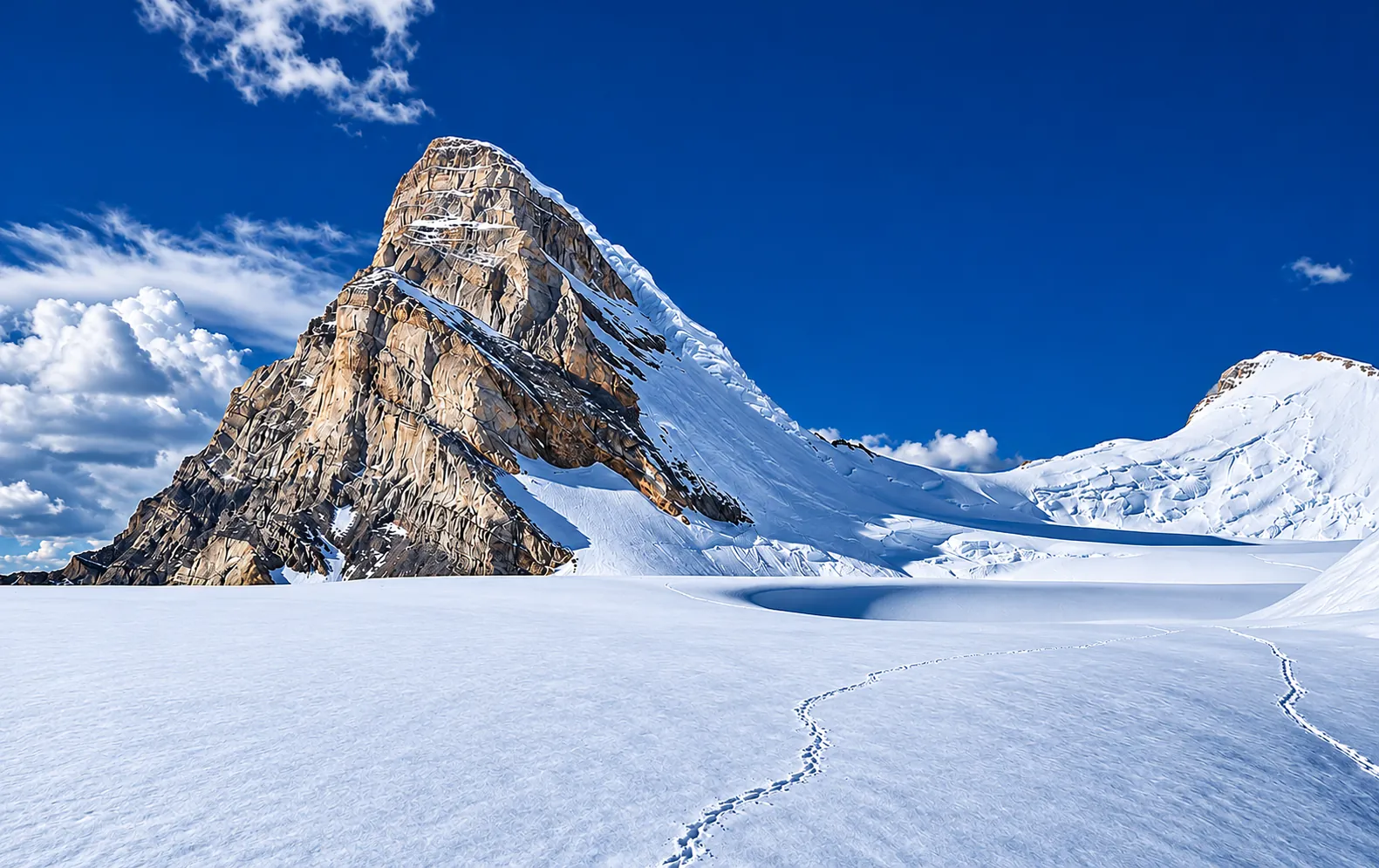
What makes Mount Kun a challenging expedition?
The climb involves:
- High-altitude glacier travel.
- Snow and ice climbing.
- Fixed-rope movement.
- Crampon and ice axe techniques.
- Multiple high-altitude camps.
- Sustained physical effort above 6,000 metres.
The planned White Expedition route uses a progressive climbing strategy with Base Camp at approximately 4,300m, Camp 1 at approximately 5,300m, Camp 2 at approximately 6,100m and Summit Camp at approximately 6,300m.
White Expedition's Mount Kun programme
Our 2027 Mount Kun expedition is planned as a 25-day programme with:
- Progressive acclimatisation through Leh and Korzok.
- A 6,000m-class preparation climb.
- Technical preparation at Base Camp.
- A structured progression through higher camps.
- A maximum group size of six participants.
- A 1:1 certified guide-to-participant ratio.
- Two weather buffer days.
Mount Kun offers experienced mountaineers another opportunity to take on a challenging 7,000m Himalayan summit in Ladakh.
Explore: Mount Kun Expedition – 7,077m
11. Mount Nun vs Mount Kun: Which 7000m Mountain Should You Climb?
Both mountains offer serious high-altitude climbing experiences, but there are differences in their routes, elevations and expedition structures.
| Feature | Mount Nun | Mount Kun |
|---|---|---|
| Elevation | 7,135m | 7,077m |
| Location | Suru Valley, Ladakh | Shafat Nala, Ladakh |
| Mountain range | Zanskar Range | Zanskar Range |
| Base Camp | Approx. 4,500m | Approx. 4,300m |
| Camp 1 | Approx. 5,500m | Approx. 5,300m |
| Camp 2 | Route dependent | Approx. 6,100m |
| Summit Camp | Approx. 6,400m | Approx. 6,300m |
| Expedition duration | 25 days | 25 days |
| Preparation climb | 6,000m-class peak | 6,000m-class peak |
| Group size | Maximum 8 | Maximum 6 |
| Guide ratio | 1:1 | 1:1 |
Both mountains require a similar foundation of high-altitude experience, technical ability and physical preparation.
Mount Nun is an excellent choice for climbers interested in reaching the higher summit of the two peaks, while Mount Kun provides an alternative 7,000m objective through the Shafat Nala approach.
The best choice depends on your experience, preferred route, available dates and expedition objectives. For a closer look, read our Mt Nun vs Mt Kun comparison.
12. What Equipment Do You Need for a 7000m Expedition?
A 7,000m expedition requires specialised equipment designed for extreme cold, snow, ice and high-altitude conditions.
High-altitude clothing
- High-altitude down suit or appropriate expedition insulation system.
- Down jacket.
- Down trousers.
- Thermal base layers.
- Insulated mid-layer.
- Waterproof and windproof outer shell.
- Expedition mittens and gloves.
- Balaclava and warm headwear.
- High-altitude mountaineering boots.
- Warm socks.
Technical mountaineering equipment
- Crampons.
- Ice axe.
- Climbing harness.
- Helmet.
- Jumar or ascender.
- Locking carabiners.
- Safety slings.
- Descender.
- Headlamp with spare batteries.
Personal equipment
- High-altitude sleeping bag suitable for expected temperatures.
- Backpack.
- Insulated water bottles.
- Sunglasses with suitable UV protection.
- Sunscreen and lip protection.
- Personal medication and first-aid essentials.
- Trekking poles.
The exact equipment list depends on the mountain, season, route and expedition operator. Climbers should always obtain and confirm their final equipment requirements before departure.
13. How to Choose the Right 7000m Expedition Operator
Choosing the right expedition operator is one of the most important decisions you will make.
A 7,000m expedition requires careful planning, experienced mountain leadership, technical support and reliable logistics.
Before booking, consider the following:
Experience on the mountain: Has the operator organised expeditions on the specific mountain? Does the team understand its route and seasonal conditions?
Qualified mountain guides: Check the qualifications and high-altitude experience of the guides who will accompany you.
Guide-to-climber ratio: Smaller groups and adequate guide support allow better individual attention during demanding climbing sections.
Acclimatisation strategy: Ask how the itinerary is structured and whether it includes adequate acclimatisation and recovery time.
Emergency preparedness: Understand the communication systems, emergency oxygen arrangements and evacuation procedures.
Weather flexibility: A responsible operator should include contingency time and should never guarantee a summit.
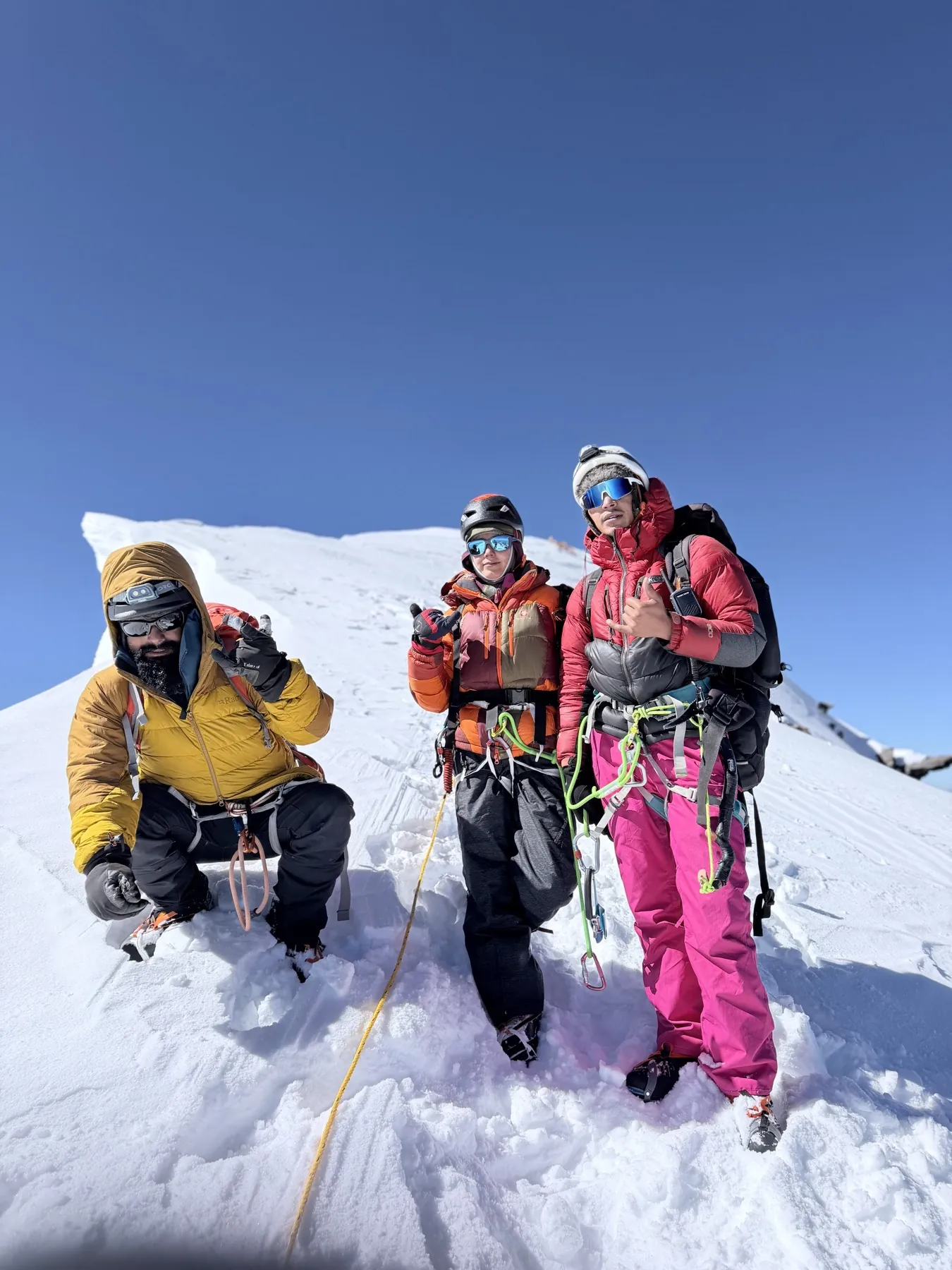
At White Expedition, our approach focuses on experienced mountain leadership, carefully planned acclimatisation, technical preparation, small expedition groups and safety-led summit decisions.
14. How to Start Your Journey Towards a 7000m Summit
If your ambition is to climb a 7,000m mountain, the best approach is to build your experience progressively.
A possible progression could look like this:
Stage 1 – Build your mountaineering foundation
Gain experience with trekking, basic mountaineering techniques, snow travel and outdoor endurance.
Stage 2 – Develop technical climbing skills
Learn crampon techniques, ice axe use, rope management, fixed-rope climbing and glacier travel.
Stage 3 – Climb your first 6,000m peak
Gain experience on a suitable 6,000m mountain and understand how your body responds to high altitude.
Stage 4 – Build experience on more demanding peaks
Progress towards technical and challenging 6,000m objectives, developing your climbing ability and high-altitude judgment.
Stage 5 – Prepare for a 7,000m expedition
Assess your experience, physical condition, technical skills and acclimatisation history before selecting an appropriate 7,000m objective.
This progression is a general guide, not a fixed qualification pathway. Readiness should be assessed individually, and the mountain chosen should match the climber's actual experience.
15. Ready to Take Your Mountaineering Above 7000 Metres?
Climbing a 7,000m mountain is a demanding undertaking that requires much more than ambition.
It requires patience, preparation, technical competence, experience and the ability to make responsible decisions in difficult conditions.
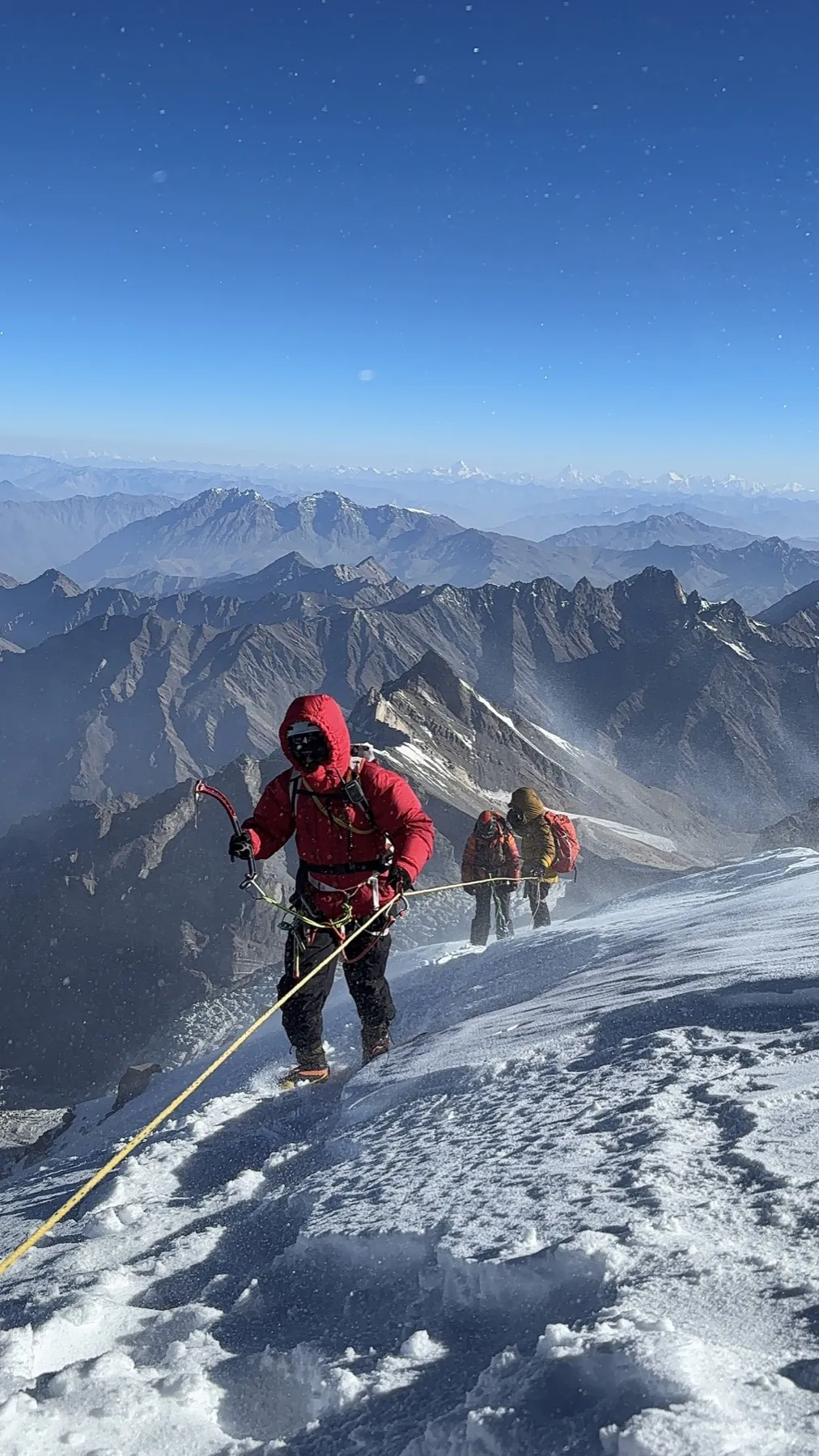
Mount Nun (7,135m) and Mount Kun (7,077m) offer experienced mountaineers two remarkable opportunities to explore the higher reaches of the Indian Himalayas.
At White Expedition, we believe that a successful expedition begins long before reaching Base Camp. It starts with choosing the right mountain, preparing the climber, planning the route and building a team that understands the demands of high-altitude mountaineering.
Whether you are preparing for your first 7,000m summit or looking to take your mountaineering experience to the next level, our team can help you identify the right objective.
Explore our upcoming expeditions:
White Expedition – Beyond the Ordinary. Into the Himalayas.
Contact our team to discuss your mountaineering experience and plan your next high-altitude expedition.
Frequently Asked Questions
1. Can a beginner climb a 7000m mountain?
A 7,000m mountain is not suitable as a beginner's first mountaineering objective. Climbers should first develop technical skills and gain experience on progressively challenging high-altitude peaks.
2. How fit do you need to be to climb a 7000m mountain?
You need excellent cardiovascular endurance, leg strength, core stability and the ability to sustain physical activity over consecutive days. Training should ideally begin four to six months before the expedition.
3. How long does a 7000m expedition take?
Many Himalayan 7,000m expeditions take approximately 25–35 days, depending on the mountain, route, acclimatisation strategy and weather.
4. Is Mount Nun harder than Mount Kun?
Both are very difficult high-altitude expeditions. Mount Nun is higher at 7,135m, while Mount Kun reaches 7,077m. Their routes and climbing arrangements differ, but both require technical experience and proper acclimatisation.
5. What is the best time to climb Mount Nun and Mount Kun?
The main climbing season for the White Expedition programmes is July to September, subject to weather and mountain conditions.
6. Do I need previous 6000m climbing experience?
Previous experience on 6,000m peaks is strongly recommended. Climbers should also have experience with glacier travel, crampons, ice axes and fixed ropes.
7. Can I climb a 7000m mountain without technical mountaineering experience?
Not safely on a technical Himalayan objective such as Mount Nun or Mount Kun. Previous technical training and experience are essential.
8. What is the biggest challenge when climbing above 7000 metres?
The combination of extreme altitude, reduced physical performance, technical terrain, severe weather and sustained physical effort makes these mountains particularly challenging.
9. Does being physically strong guarantee a successful summit?
No. Physical fitness is only one part of mountaineering. Acclimatisation, technical ability, weather, route conditions, health and decision-making all influence summit success.
10. Which 7000m mountains can I climb with White Expedition?
White Expedition currently features Mount Nun (7,135m) and Mount Kun (7,077m) among its 7,000m expedition programmes, alongside other higher Himalayan and Karakoram objectives.