Peak Guide
Yunam Peak. Your climbing guide.
Complete guide to climbing Yunam Peak (6,111m) in Himachal Pradesh, including route, itinerary, difficulty, best season, equipment, and expert expedition support.
Yunam Peak Expedition – Complete Guide to Climbing a 6111m Himalayan Summit
Introduction
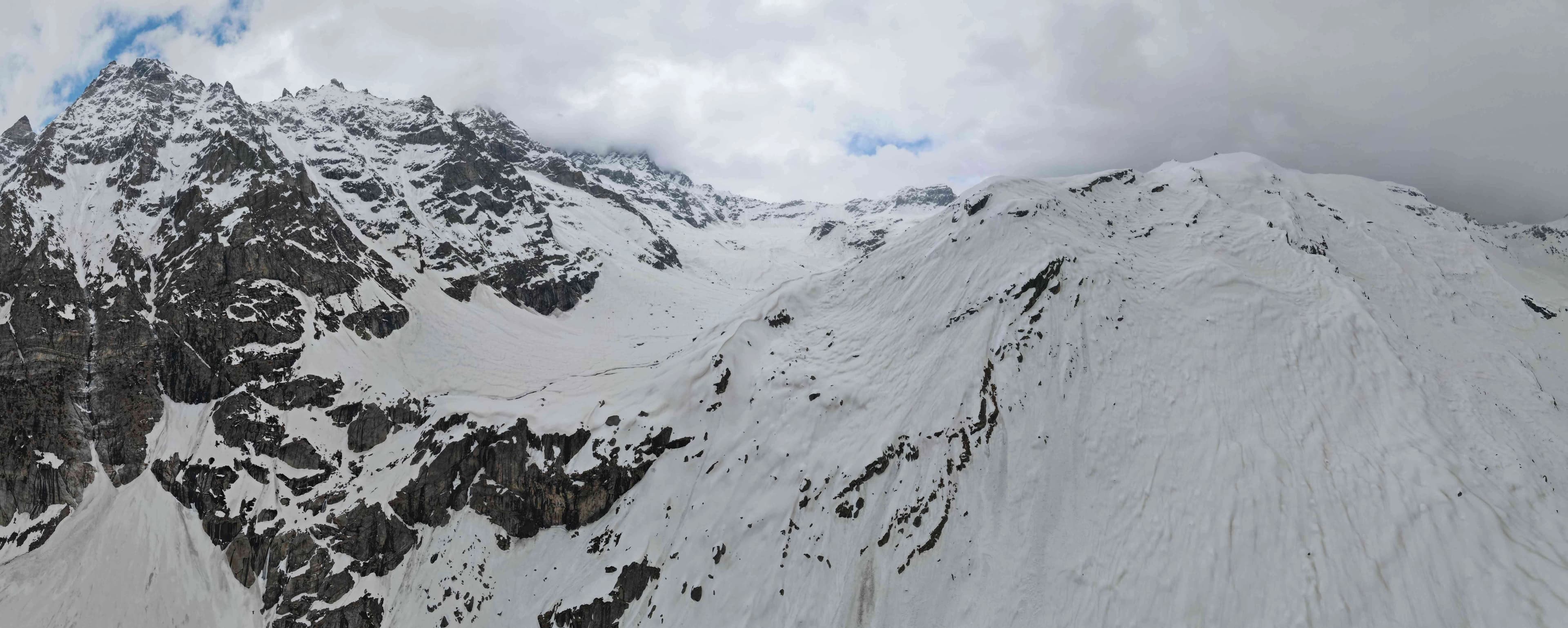
The Yunam Peak is one of the most exciting 6000-meter peaks in the Indian Himalaya. Rising to an elevation of 6,111 meters, Yunam Peak offers mountaineers a fantastic opportunity to experience high-altitude climbing without extremely technical mountaineering skills. Located in the beautiful Lahaul Valley of Himachal Pradesh, this peak lies near the famous Baralacha La Pass on the highway connecting Manali and Leh. Yunam Peak is perfect for trekkers who want to step into the world of mountaineering and summit their first Himalayan 6000m peak. The expedition offers breathtaking glaciers, vast high-altitude plateaus, and panoramic views of the Zanskar and Greater Himalayan ranges. With proper acclimatization and guidance from an experienced expedition company like White Expedition, climbers can safely reach the summit and experience the thrill of standing above 6000 meters in the Himalaya.
Where is Yunam Peak?
Yunam Peak is located in the remote high-altitude region of Lahaul in Himachal Pradesh. The mountain sits close to the Manali–Leh highway, making it one of the most accessible 6000-meter peaks in India. The journey begins from Manali, a famous adventure hub in the Indian Himalaya. From Manali, climbers travel through the dramatic landscapes of Lahaul Valley toward Jispa and Bharatpur, which serve as important acclimatization and base camp locations for the expedition. This region is known for its high mountain deserts, glaciers, and towering Himalayan peaks. During the expedition, climbers experience incredible views of surrounding mountains and vast open landscapes rarely seen in other parts of the Himalaya.
Why Climb Yunam Peak?
There are many reasons why Yunam Peak has become one of the most popular 6000m expeditions in India.
Perfect First 6000m Peak
Yunam Peak is considered an ideal beginner mountaineering expedition. The climb is not extremely technical, but it still requires endurance, acclimatization, and basic mountaineering skills. For trekkers who have previously completed high-altitude treks, Yunam Peak is the perfect next step toward real Himalayan mountaineering.
Stunning Himalayan Views
From the summit, climbers enjoy breathtaking panoramic views of the surrounding Himalayan ranges. The landscape includes glaciers, rugged peaks, and vast high-altitude plains. The summit panorama is one of the most rewarding experiences in the entire expedition.
Short Expedition Duration
Unlike many Himalayan climbs that take 2–3 weeks, Yunam Peak can be climbed in just 7 days, making it perfect for climbers who have limited time but still want to experience a real Himalayan expedition.
Best Time to Climb Yunam Peak
The best climbing season for Yunam Peak is: June to September During these months:
- Weather conditions are relatively stable
- Snow conditions are suitable for climbing
- Roads from Manali remain open
- Temperatures are manageable for high-altitude expeditions
July and August often offer the best summit success rates.
Yunam Peak Expedition Itinerary (7 Days)
Below is the standard 7-day Yunam Peak expedition itinerary from Manali to Manali.
Day 1 – Arrival in Manali
Altitude: 2,050m The expedition begins in Manali, one of the most famous adventure towns in the Indian Himalaya. Climbers arrive in Manali and check into the hotel. During the evening, the expedition team conducts a briefing session covering:
- Expedition plan
- Safety procedures
- Equipment check
- High-altitude guidelines
This day is important for preparation and rest before heading toward higher altitudes.
Day 2 – Drive to Jispa & Acclimatization Hike
Altitude: 3,200m After breakfast, the team drives from Manali toward Jispa. The drive passes through dramatic Himalayan landscapes and crosses several beautiful mountain valleys. Jispa is an excellent location for acclimatization before moving to higher altitudes. In the afternoon, climbers go for an acclimatization hike, helping the body adjust to thinner air. Acclimatization is critical for preventing altitude sickness and ensuring a safe summit attempt.
Day 3 – Drive to Bharatpur Base Camp
Altitude: 4,800m On Day 3, the expedition continues toward Bharatpur, located near Baralacha La Pass. Bharatpur serves as the base camp for Yunam Peak. After arriving, the team sets up tents and prepares the camp. The rest of the day is used for rest, hydration, and short acclimatization walks. At this altitude, proper acclimatization is extremely important.
Day 4 – Acclimatization Climb to Summit Camp & Return
This day is dedicated to acclimatization and route preparation. Climbers ascend toward the summit camp route to gain altitude and help the body adapt to the thin air. After spending some time at higher elevation, the team descends back to base camp for the night. This technique is known as “climb high, sleep low”, which greatly improves acclimatization and increases summit success.
Day 5 – Move to Summit Camp
Altitude: around 5,500m On Day 5, climbers carry essential equipment and move to Summit Camp. The climb becomes more demanding as the altitude increases. At summit camp, the team prepares for the final summit push the next morning. Early dinner and rest are essential because the summit attempt begins before midnight.
Day 6 – Summit Yunam Peak (6111m) & Return to Base Camp
Summit day is the most challenging and rewarding part of the expedition. Climbers begin the ascent very early in the morning, usually around midnight or 1 AM. The climb involves snow slopes and gradual high-altitude terrain. Although not extremely technical, the altitude makes the climb physically demanding. After several hours of climbing, the team reaches the summit of Yunam Peak. Standing at 6,111 meters, climbers enjoy breathtaking panoramic views of the Himalaya. After celebrating the summit, the team carefully descends back to base camp.
Day 7 – Drive Back to Manali
On the final day, the expedition packs up camp and begins the drive back to Manali. The journey passes through stunning Himalayan landscapes, giving climbers time to reflect on their successful summit. The expedition officially concludes in Manali.
Difficulty Level of Yunam Peak
Yunam Peak is classified as a non-technical to semi-technical 6000m peak. However, climbers must be prepared for:
- High altitude above 6000m
- Cold temperatures
- Long summit day
- Snow and glacier travel
Good physical fitness and previous trekking experience are highly recommended.
Required Equipment
Climbers need proper mountaineering equipment for the expedition. Essential gear includes:
- Down jacket
- Thermal layers
- Mountaineering boots
- Crampons
- Ice axe
- Gloves and warm socks
- Climbing helmet
- Backpack (60–70L)
- Sunglasses and sunscreen
Professional expedition companies like White Expedition provide group technical equipment and safety support.
Why Choose White Expedition?
Choosing the right expedition company is crucial for a safe and successful climb. White Expedition is one of the leading mountaineering companies in India, known for organizing professional expeditions across the Himalaya. The team provides:
- Experienced mountain guides
- High-altitude safety protocols
- Quality expedition logistics
- Proper acclimatization plans
- Reliable support staff
With extensive Himalayan experience, White Expedition ensures climbers have the best chance of successfully summiting Yunam Peak safely.
Conclusion
The Yunam Peak Expedition is one of the most rewarding adventures in the Indian Himalaya. With its accessible location, stunning landscapes, and achievable 6000m summit, Yunam Peak offers an unforgettable mountaineering experience. For climbers looking to step into the world of high-altitude mountaineering, this expedition provides the perfect opportunity to challenge themselves and stand on top of a Himalayan giant. Guided by experienced teams like White Expedition, the journey to the summit becomes not only achievable but also safe and deeply memorable.