Field Guide
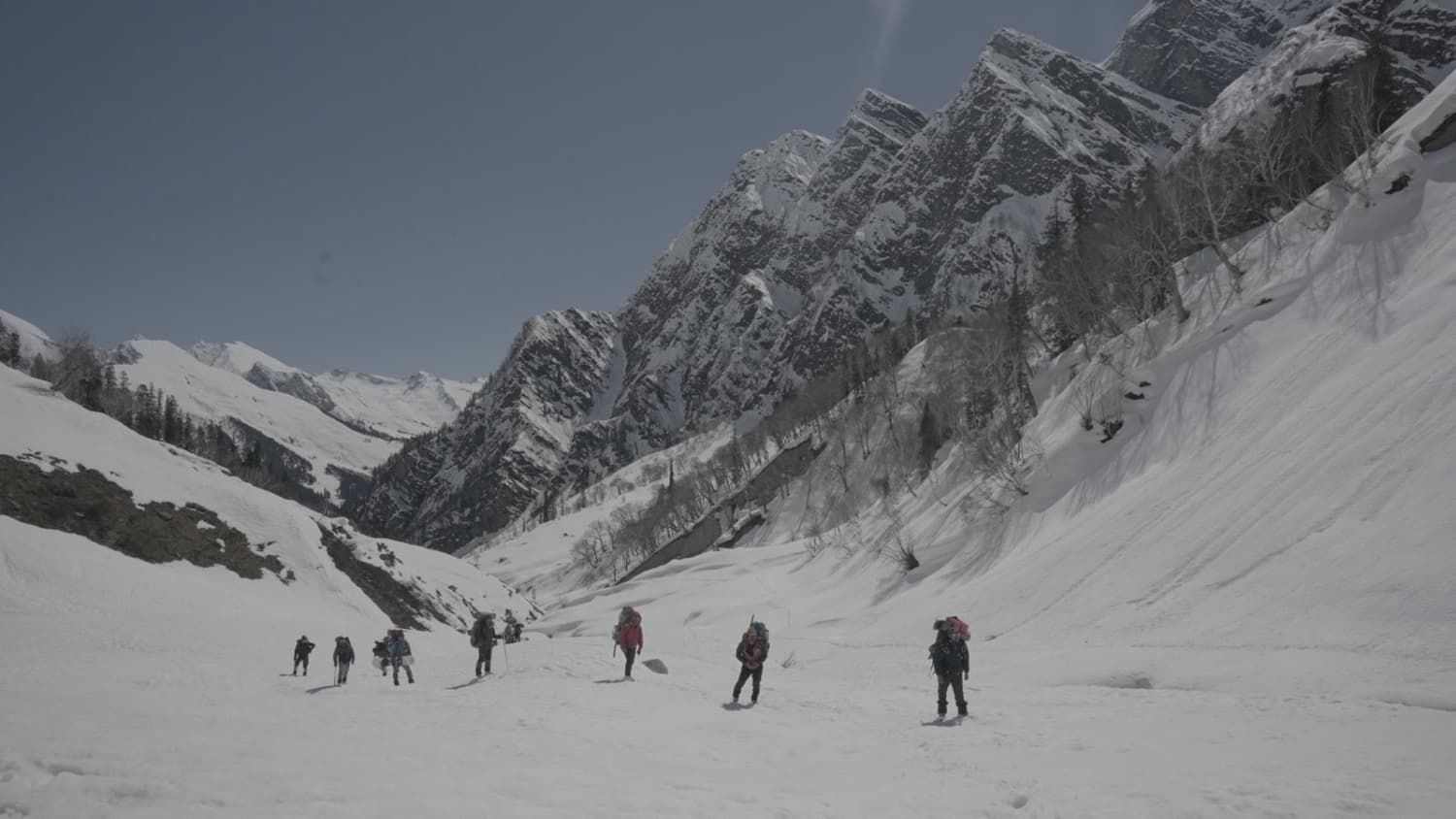
An Indian expedition. What climbing is like.
An honest, on-ground perspective for international climbers on safety, logistics, communication, and culture when joining professional Indian Himalayan expeditions.
What It’s Really Like to Climb with an Indian Expedition Company
For many international mountaineers, the idea of climbing in India sparks equal parts curiosity and hesitation.
The Himalayas are legendary—but questions remain:
- Are Indian expedition companies safe?
- How professional is the logistics?
- Will communication be smooth?
- Is it organized—or chaotic?
These concerns are valid. And the truth is: not all Indian expedition companies are the same.
This article is not a sales pitch. It is an honest look at what it’s really like to climb with a professional Indian expedition company, and what serious climbers should expect—both the challenges and the unmatched advantages.
The Biggest Myth: “Indian Expeditions Are Less Professional”
One of the most common assumptions is that Indian expedition companies operate with lower standards than European or Western operators.
This belief comes from outdated stereotypes—not from reality.
Modern Indian mountaineering has evolved rapidly over the last two decades. Today, some Indian-led expeditions are:
- More adaptable in remote terrain
- Better connected locally
- More experienced with Indian Himalayan conditions
- Less dependent on heavy commercial systems
The difference is not professionalism—it’s philosophy.
Local Knowledge Changes Everything
Climbing in the Indian Himalayas is fundamentally different from climbing in the Alps, Andes, or even Nepal.
Weather patterns are unpredictable Road access is limited Rescue infrastructure is minimal Permits and regulations are complex
This is where Indian expedition companies have a decisive advantage.
They understand:
- How local weather actually behaves (not just forecasts)
- How to move supplies in roadless valleys
- How to deal with local authorities and army check-posts
- How altitude affects logistics, food, and timing
For international climbers, this local knowledge often becomes the difference between a successful expedition and a failed one.
Smaller Teams, Bigger Responsibility
One of the first things international climbers notice when joining a serious Indian expedition company is team size.
Unlike large commercial operations elsewhere, professional Indian expeditions often operate with:
- Small, focused teams
- Limited support staff
- Shared responsibility
This creates a very different climbing atmosphere.
You are not a “client being carried upward.”
You are a member of an expedition team.
For experienced mountaineers, this is refreshing.
The Role of Indian Guides and Leaders
Indian expedition leaders today are not just guides—they are active mountaineers.
Many have:
- Completed first ascents
- Climbed in alpine style
- Worked in extreme rescue environments
- Grown up in Himalayan terrain
They bring:
- Calm decision-making
- Strong risk assessment
- Deep respect for mountains
- Cultural understanding of the region
Climbing with an Indian leader often feels less hierarchical and more collaborative—decisions are discussed, not dictated.
Logistics: Simple, Efficient, and Purpose-Driven
International climbers sometimes expect luxury-style logistics. That is not how serious Indian expeditions operate—and that is a good thing.
Instead, logistics focus on:
- Reliability
- Adaptability
- Weight efficiency
- Sustainability
Expect:
- Solid base camp setups
- Nutritious, high-calorie food
- Clean water systems
- Efficient load management
Do not expect:
- Overstaffed camps
- Excessive comfort
- Commercial “summit push schedules”
Everything is designed around mountaineering, not marketing.
Safety Without False Promises
A key difference when climbing with Indian expedition companies is honesty about risk.
There are no guarantees.
There are no summit promises.
There are no shortcuts.
Instead, safety is managed through:
- Conservative acclimatization
- Real-time decision-making
- Route flexibility
- Turning back when needed
This approach attracts serious climbers who understand that true safety comes from judgment, not infrastructure.
Cultural Respect Is Not Optional
One of the most powerful aspects of climbing with an Indian expedition company is the cultural integration.
In regions like Ladakh, Zanskar, and Spiti Valley, mountains are sacred.
Indian expedition teams:
- Respect local customs
- Work closely with village communities
- Employ local staff ethically
- Avoid disrespectful behavior on sacred peaks
For international climbers, this adds depth and meaning to the expedition.
Communication: Clear, Direct, and Honest
Another concern international clients often have is communication.
Professional Indian companies operate with:
- Clear English communication
- Detailed pre-expedition briefings
- Transparent cost breakdowns
- Honest risk discussions
What you won’t get:
- Over-selling
- Hidden guarantees
- Unrealistic promises
You get clarity—and that builds trust.
What Makes White Expedition Different
Among Indian operators, White Expedition represents a new generation of expedition leadership.
White Expedition was founded by active professional mountaineers—not office managers.
Their core principles:
- Mountaineering first, business second
- Small teams only
- Alpine-style ethics
- Serious safety protocols
- Respect for unclimbed and rarely climbed peaks
They specialize in:
- Remote Indian Himalayan expeditions
- Technical 6000m+ peaks
- First ascents and exploratory routes
- Ice climbing and alpine objectives
International climbers often describe White Expedition not as a “service provider,” but as a climbing partner in India.
Who Should Choose an Indian Expedition Company?
Climbing with an Indian expedition company is ideal for:
- Experienced mountaineers
- Alpine climbers
- Explorers seeking new routes
- Those tired of crowded mountains
It is not ideal for:
- First-time high-altitude climbers
- Comfort-focused travelers
- Summit-guarantee seekers
- People expecting luxury tourism
Indian expeditions demand participation, humility, and commitment.
The Real Experience: Honest, Raw, and Rewarding
So what is it really like?
It is:
- Less polished—but more authentic
- Less predictable—but more meaningful
- Less commercial—but more rewarding
You will carry your share.
You will make decisions.
You will adapt to uncertainty.
And when you stand below a remote Himalayan face with no other teams in sight, you will understand why so many serious mountaineers say:
“This is how climbing used to feel.”
Final Thoughts
Climbing with an Indian expedition company is not about choosing a cheaper option.
It is about choosing authentic mountaineering.
For those who value real adventure, cultural depth, and professional local expertise, the Indian Himalayas—guided by the right team—remain one of the last true frontiers.
White Expedition — Small Teams. Big Mountains. Real Adventure.
{/* related-global-interlinks-v1 */}